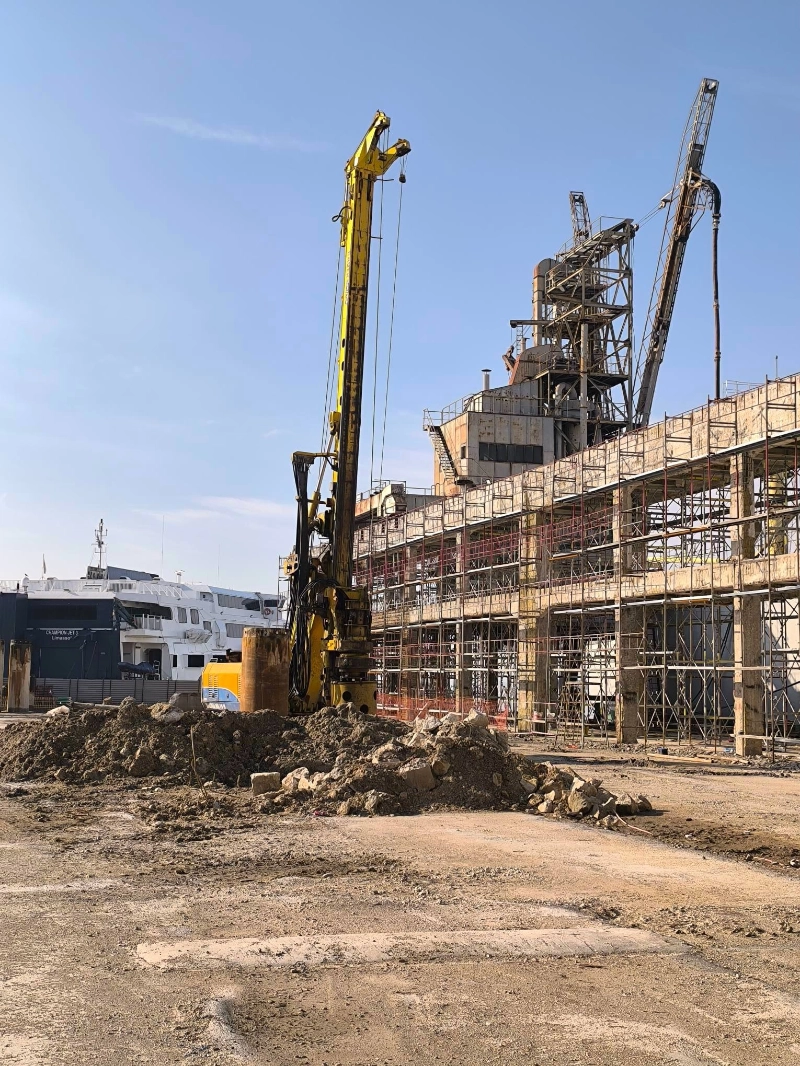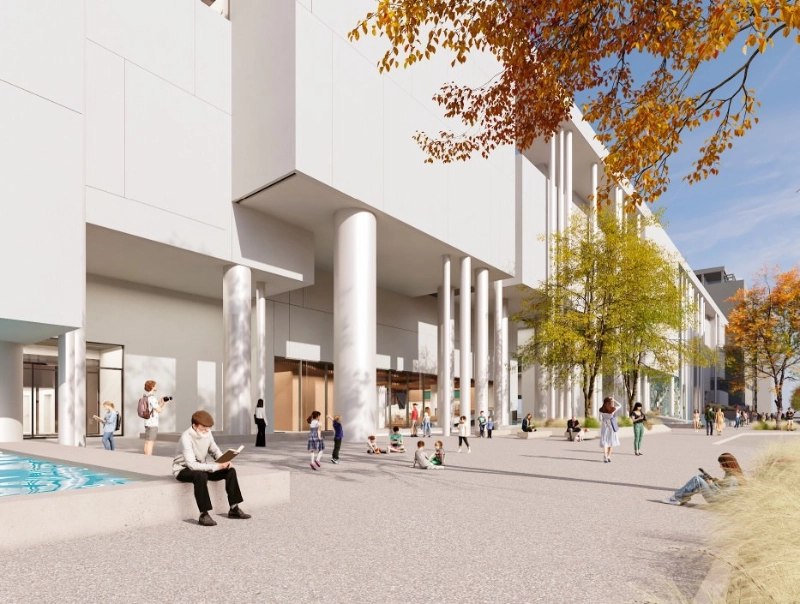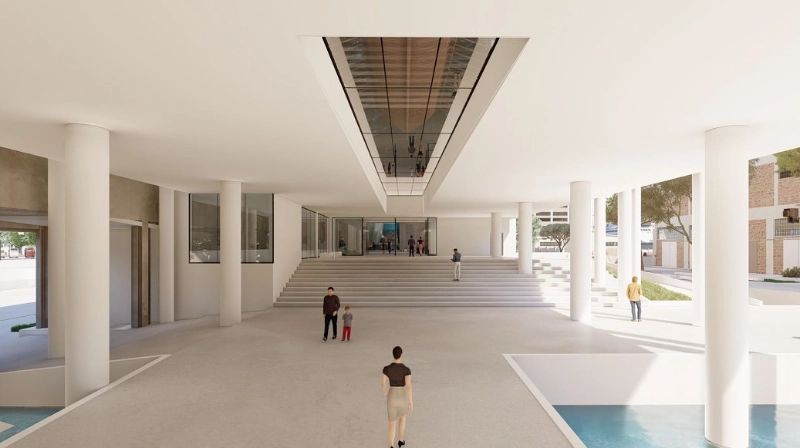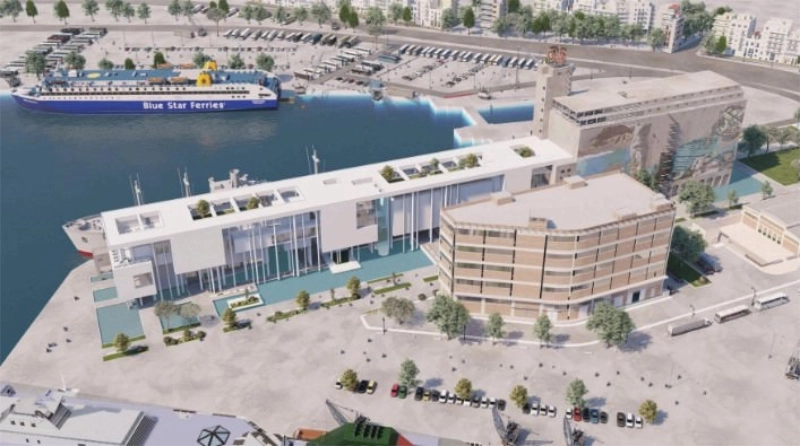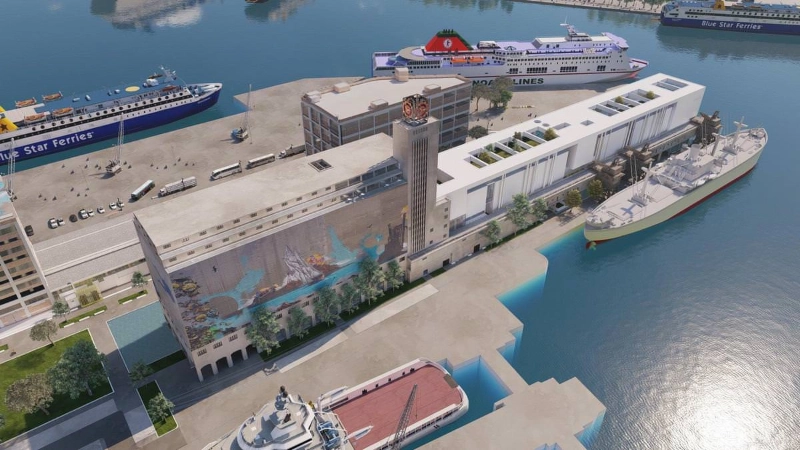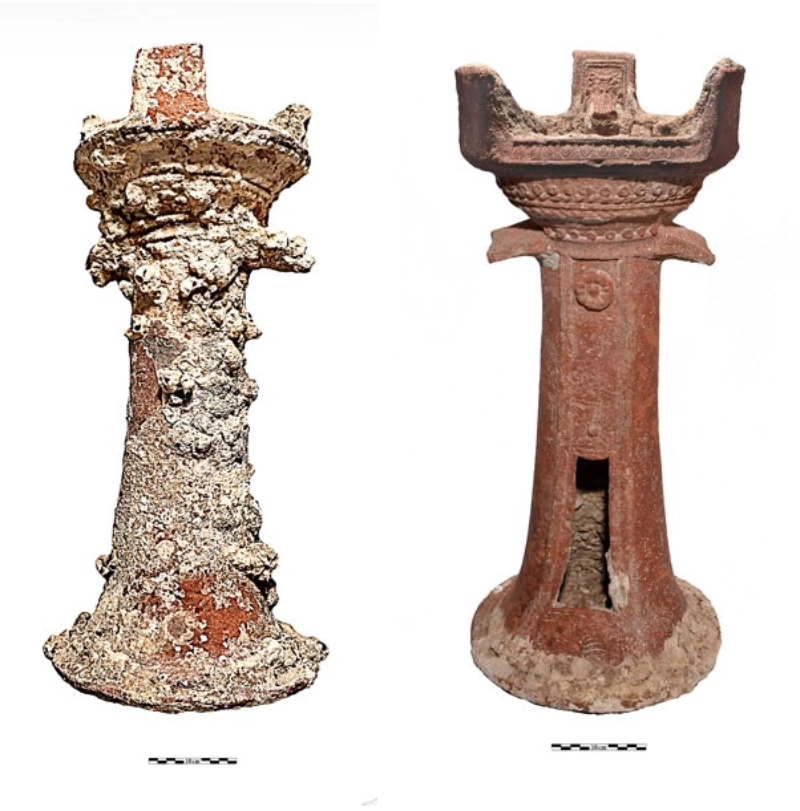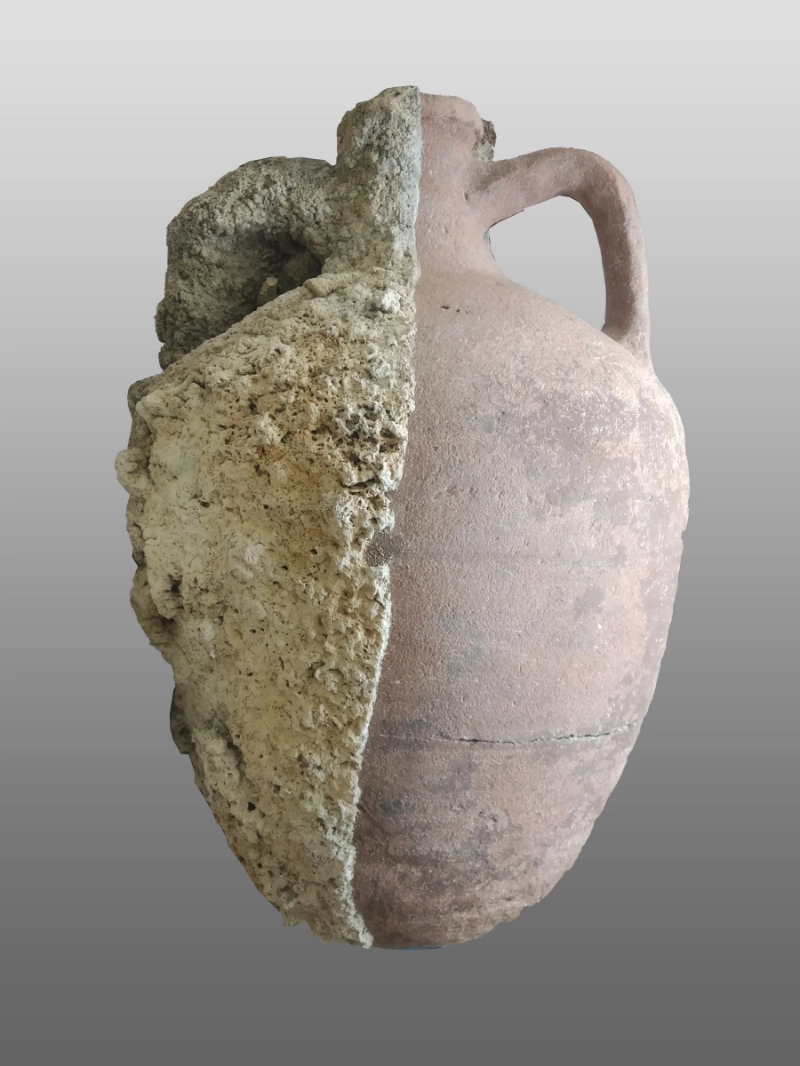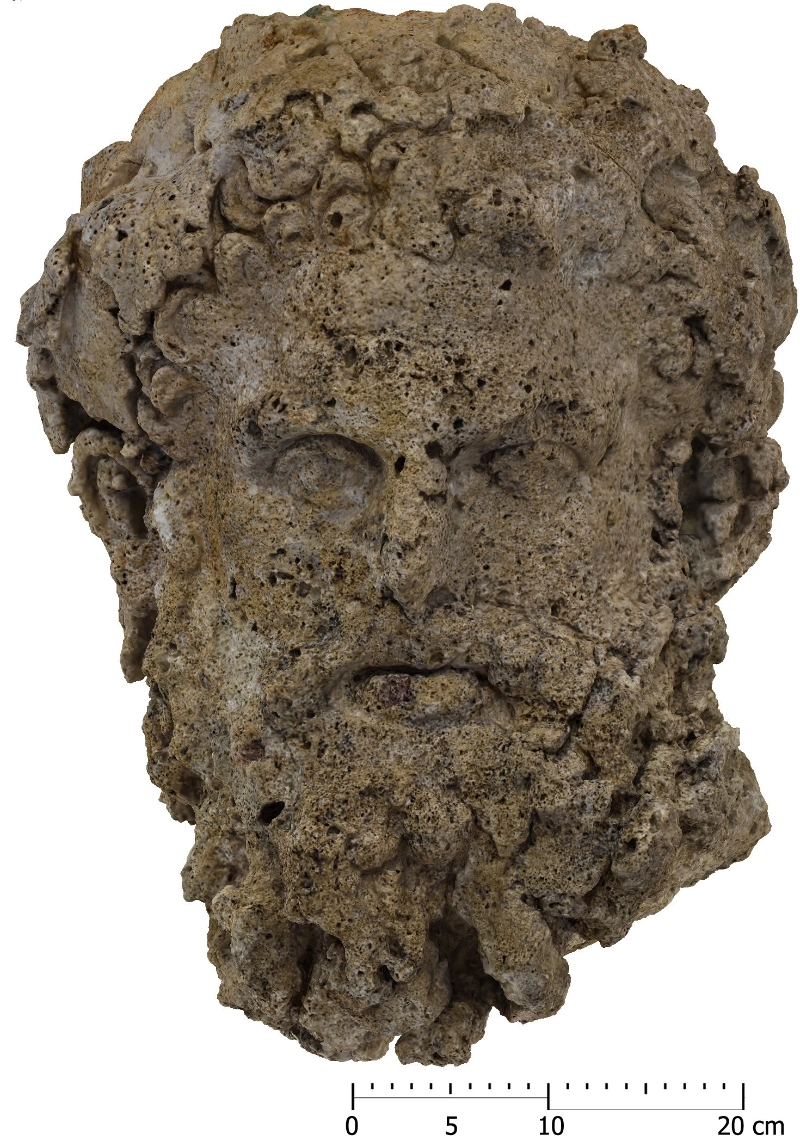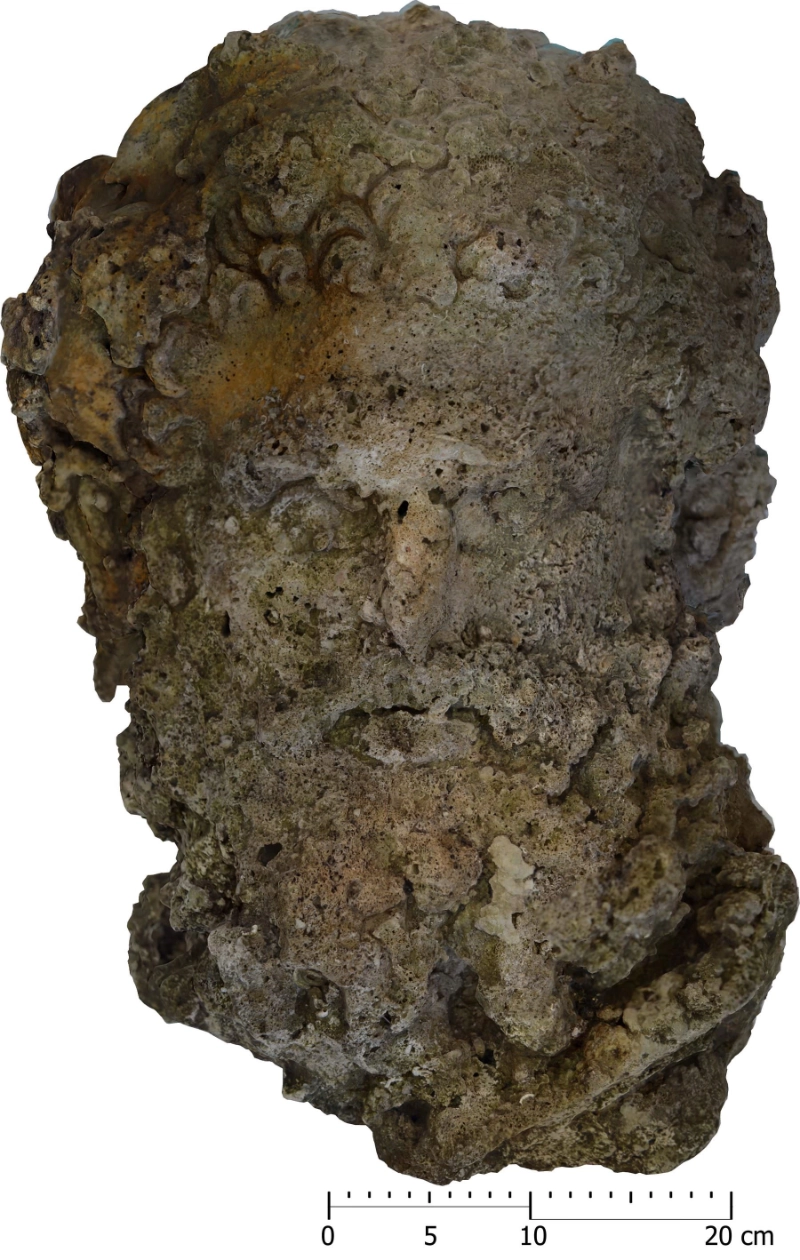



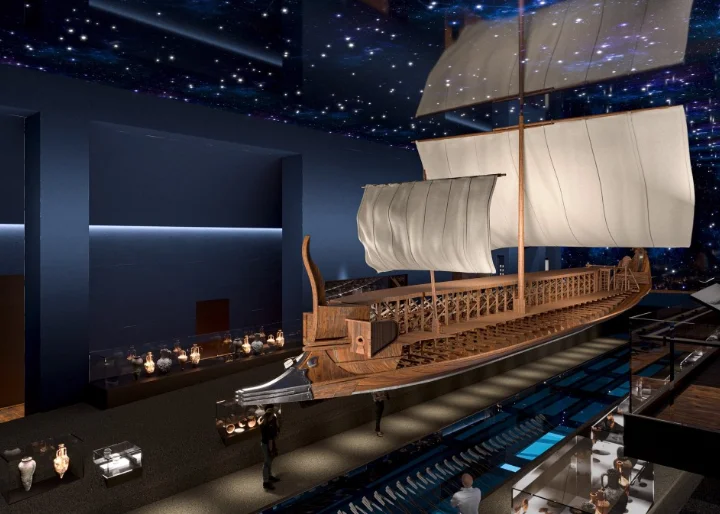
Works are progressing at a rapid pace for the creation of the National Museum of Underwater Antiquities in Piraeus, which is expected to be ready to welcome its visitors in 2026. The new building under construction is organically connected to the industrial building of SILO on its southwest side, ensuring the necessary spaces for hosting a pioneering and innovative Museum. More than 2,500 exhibits will be showcased, accompanied by a multitude of technological applications, and well-equipped maintenance laboratories and storage areas will be available. Alongside the new building, the conveyor belt, which served to load ships, is being highlighted and displayed. The National Museum of Underwater Antiquities will showcase the treasures of the Greek seas, while also serving as the emblematic cultural landmark for the country’s largest port. The project of the National Museum of Underwater Antiquities is financed with the amount of 93,000,000 euros from the resources of the Recovery Fund, managed by the Ministry of Culture. It is the most significant cultural project currently underway.
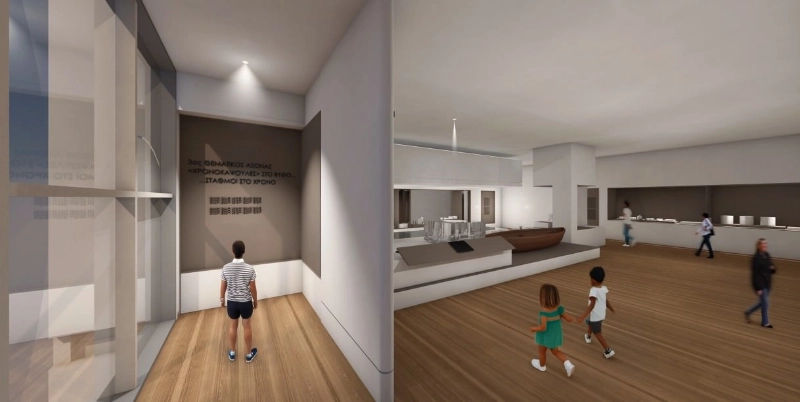
The Minister of Culture, Lina Mendoni, stated: “A vision of decades is now entering the final stretch for its implementation and completion. The development of our homeland, from prehistory to the present day, is directly linked to the sea, shipping, and seafaring. The main purpose of the creation of the National Museum of Underwater Antiquities is, through the findings of our seas, to highlight Greek civilization in its great diachronicity, in its long historical and uninterrupted duration, in a space in which underwater antiquities will be exhibited exclusively. We want to highlight these characteristics in the National Museum of Underwater Antiquities, almost unique in its kind: It is an emblematic work of culture, in a landmark building for Piraeus, on the Aetionea Coast. We are rescuing and highlighting an important industrial building, the SILO, which we are connecting with a modern building. Thus, the necessary conditions are created for the creation of a pioneering museum model. The unique wealth of the Greek seas acquires its ideal hosting space. The design of the exhibition space is shaped by the constraints of the existing shell’s geometry and structure, as well as its expansion. The structure and layout of the building define an exhibition developed in a specific area, which in turn requires approaches that make it easy for visitors to read. It requires spaces for rest and breaks, making it necessary to differentiate between spaces and thematic units, so that the public can more easily perceive the succession of themes, constantly finding new points of interest. We are leveraging modern technological advancements to deliver, in 2026, another important Museum that is fully accessible, offering its visitors a unique experience of immersing themselves in the past, with stations in time, sunken settlements, shipwrecks, ship models, hulls, and cargoes of merchant ships, as well as maps and diagrams. It is clear that the operation of this Museum introduces Piraeus to international cultural destinations.”
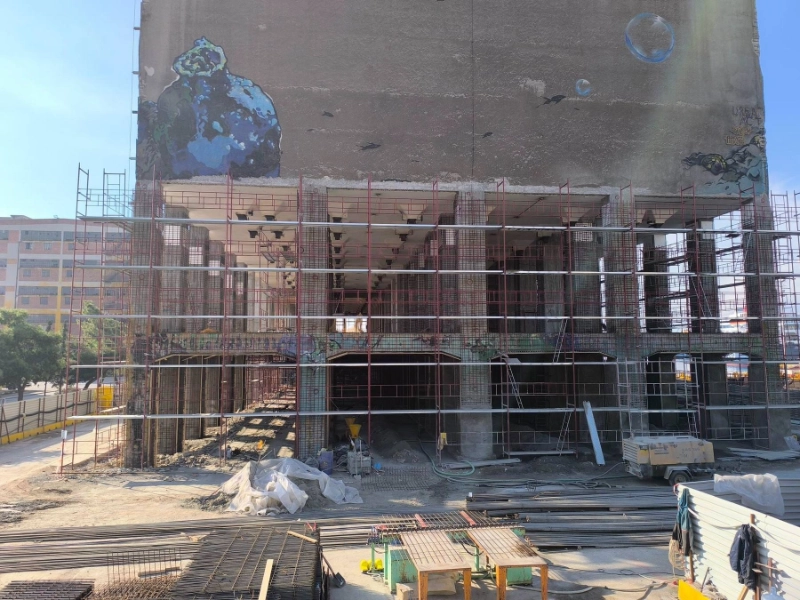
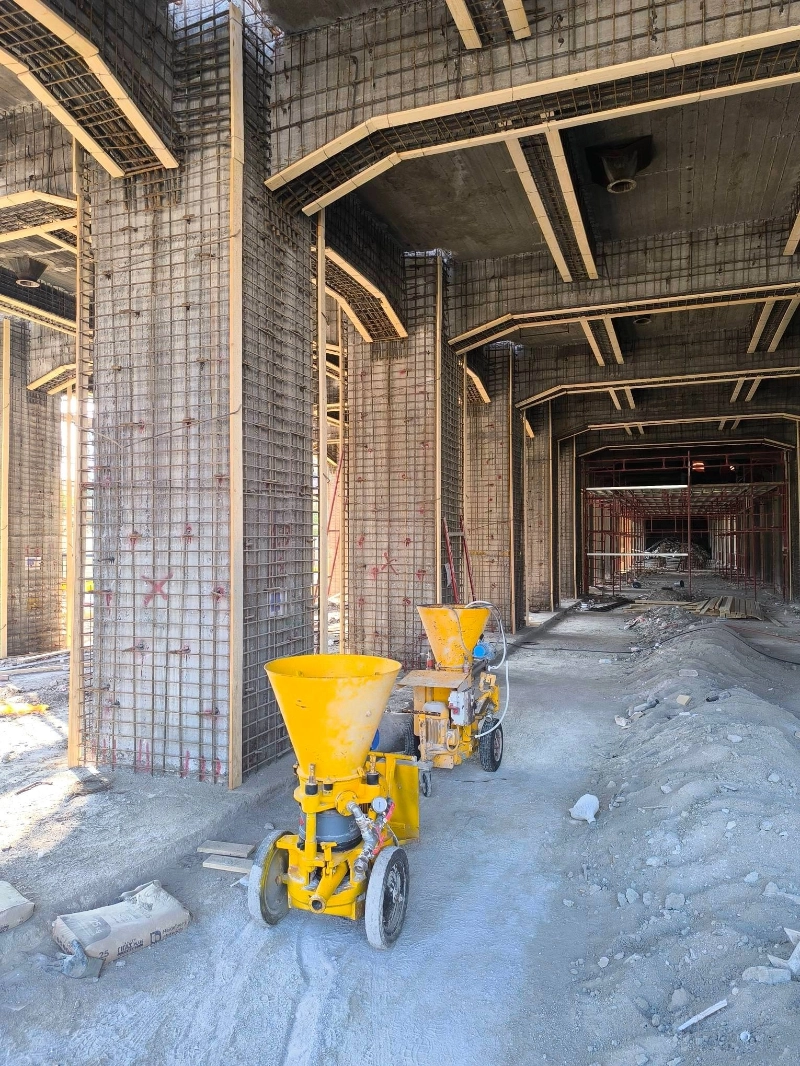
The construction of the Museum began in December 2023, with interventions in the first phase in the Grain Warehouse building, which operated from November 1936 to the end of 2010. The SILO shows severe damage, both to its metal elements and to its brickwork. With the addition of the new building, a unified narrative is created, in which the required spaces are created, which support the museological study and the exhibits, but at the same time constitute – and in themselves – points of a route, which “dives” into the past (Silo building), “emerges” to the surface (New building) and returns to the present, through the space that identifies with the recent industrial past of the building (conveyor belt). The Museum’s premises, with a total area of 26,380 sq m, are divided into exhibition spaces for permanent and temporary exhibitions (7,550 sq m), spaces for educational programs and scientific activities (amphitheatre, library, multimedia), maintenance workshops, spaces providing services to visitors (reception, cloakroom, shop, refreshment room, restaurant, clinic), and administrative offices.
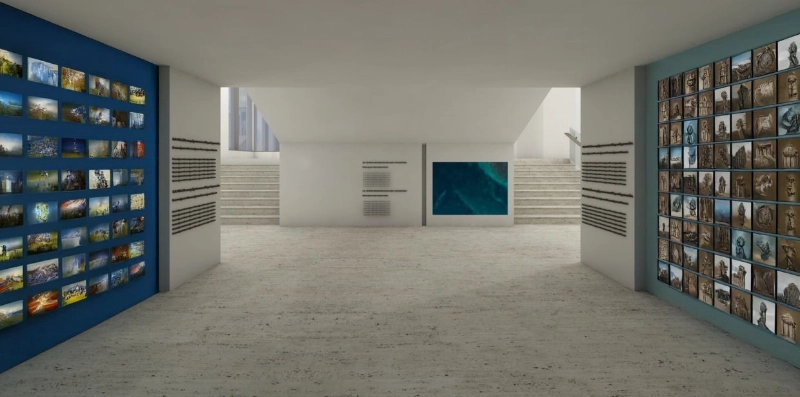
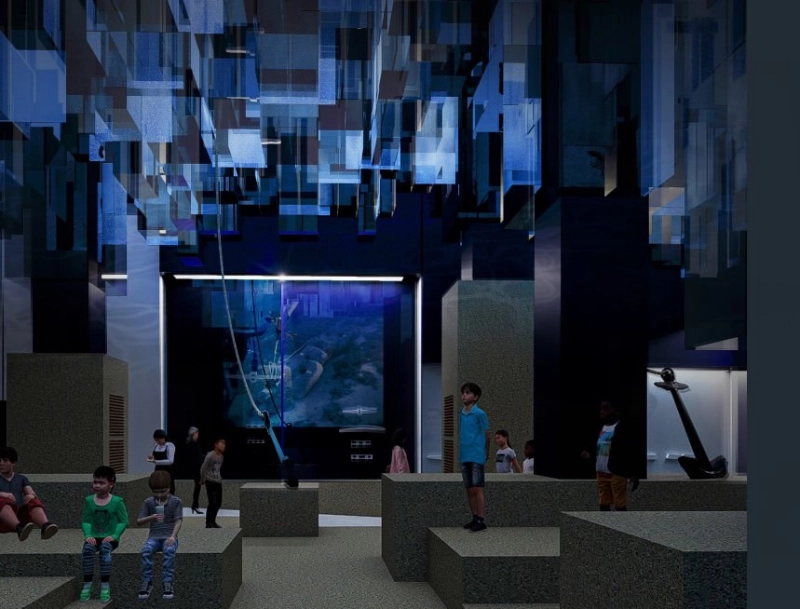
The central objective of the museographic study is to ensure universal accessibility both on a physical level (ramps, elevators, spacious movement areas between exhibits) and on an intellectual level (gradation of information material, tactile exhibits, levels of information reading, etc.). The performance of the exhibition scenario is achieved primarily through the use of display cases (mainly built-in or freely arranged in the space), pedestals, and special constructions, as well as exhibition lighting, digital media and applications, visual information materials, and signage in printed and/or digital form.
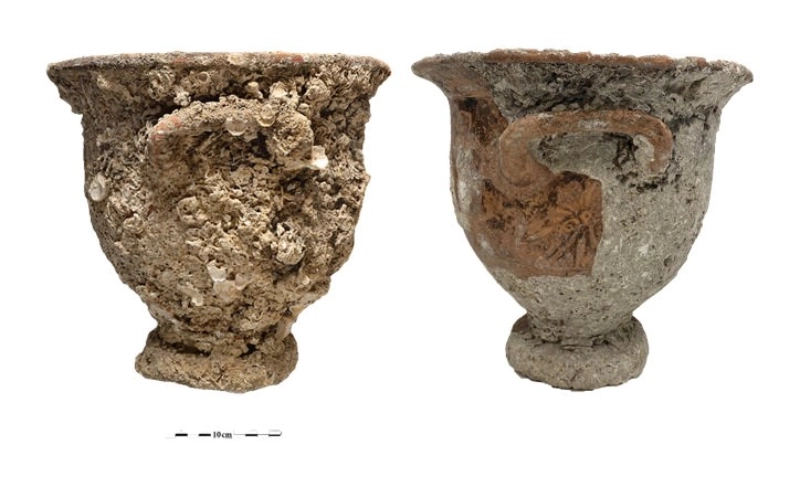
The processing and “maturation” of the museological study at the stage of its coordination with the corresponding museographic study dictated the modification of the 2021 study. In the final museological study – which recently received a positive opinion from the Museum Council of the Ministry of Culture – the changes identified concern the exhibition material, which increases by approximately 300 findings, exceeding 2,500 exhibits, the structure of the exhibition narrative, which acquires new sections, is re-evaluated and specialized, but also the final selection of accompanying interpretive means, which vary and cover a wide range of options, conventional and digital interpretive means, staging environments and models. The exhibition narrative is structured into six thematic axes:
- Sea, Environment, Human,
- Maritime Archaeology,
- “Time capsules” at the bottom…stations in time”,
- Approaching the past piecemeal. An open issue to be managed,
- Underwater cultural heritage open to society,
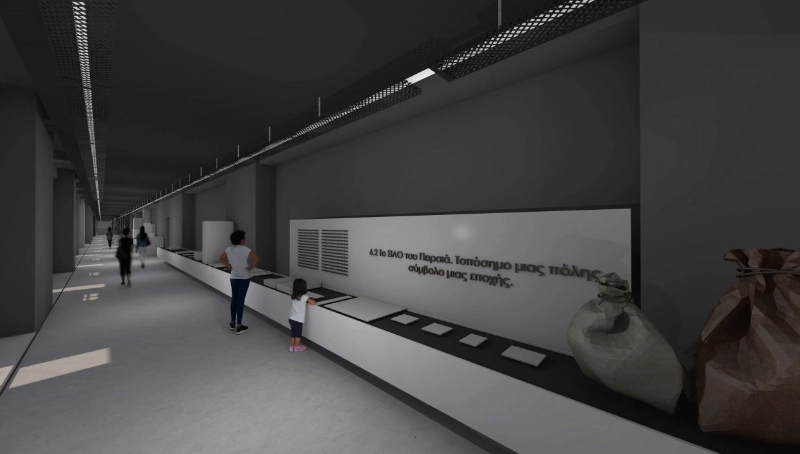
- Silo and Piraeus, intertwined stories.
The course of the exhibition is predetermined and begins from the SILO building, where thematic axes 1 and 2 will be located.
Thematic axis 3, which is the most important and richest in findings, is located in the new building. Axis 4 is located almost at the same level as axis 3. Thematic axis 5 is developed on two levels, which are connected by a staircase. Thematic axis 6 is located inside the conveyor belt, where the visitor moves from the level +8.85m. of the new building.
The visitor can tour the “interior” of the existing building, see places that would not usually be accessible, and in this way understand its function. The structure of the storage cells is revealed to the visitor as they navigate the exhibition through a smooth path with ramps. This continuous line follows the sequence of the thematic modules of the museological study, presented in both the existing and extension sections.