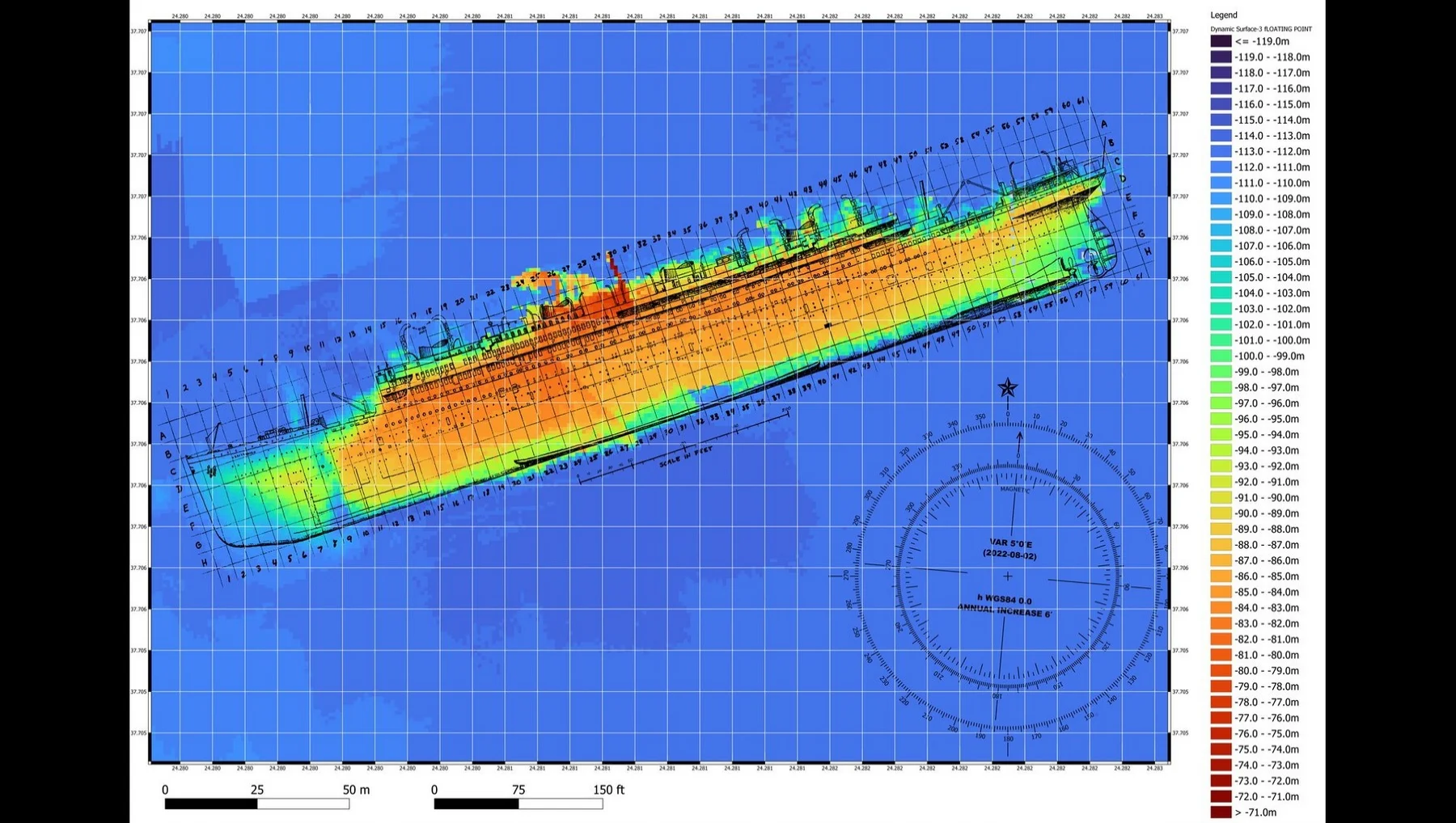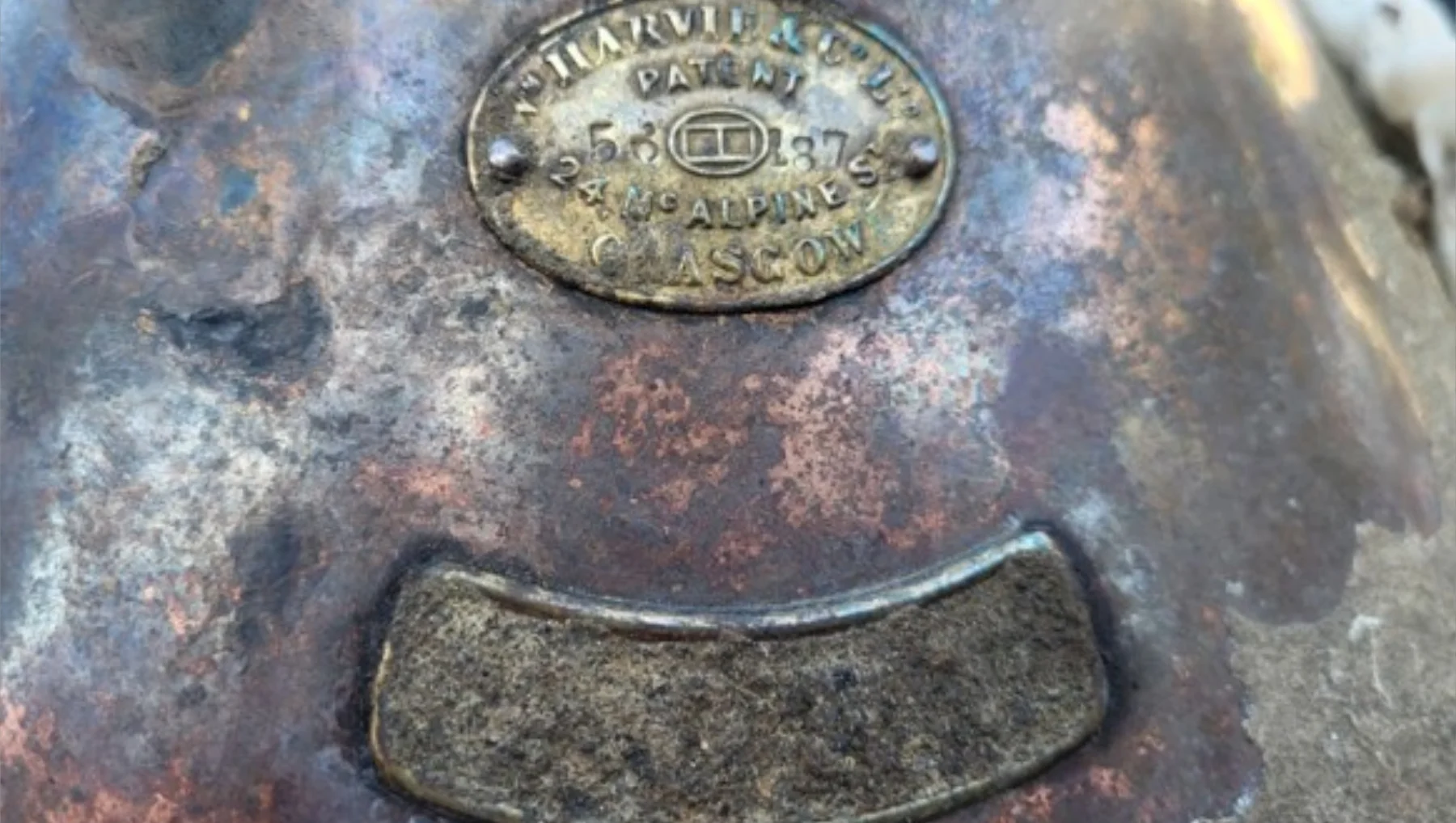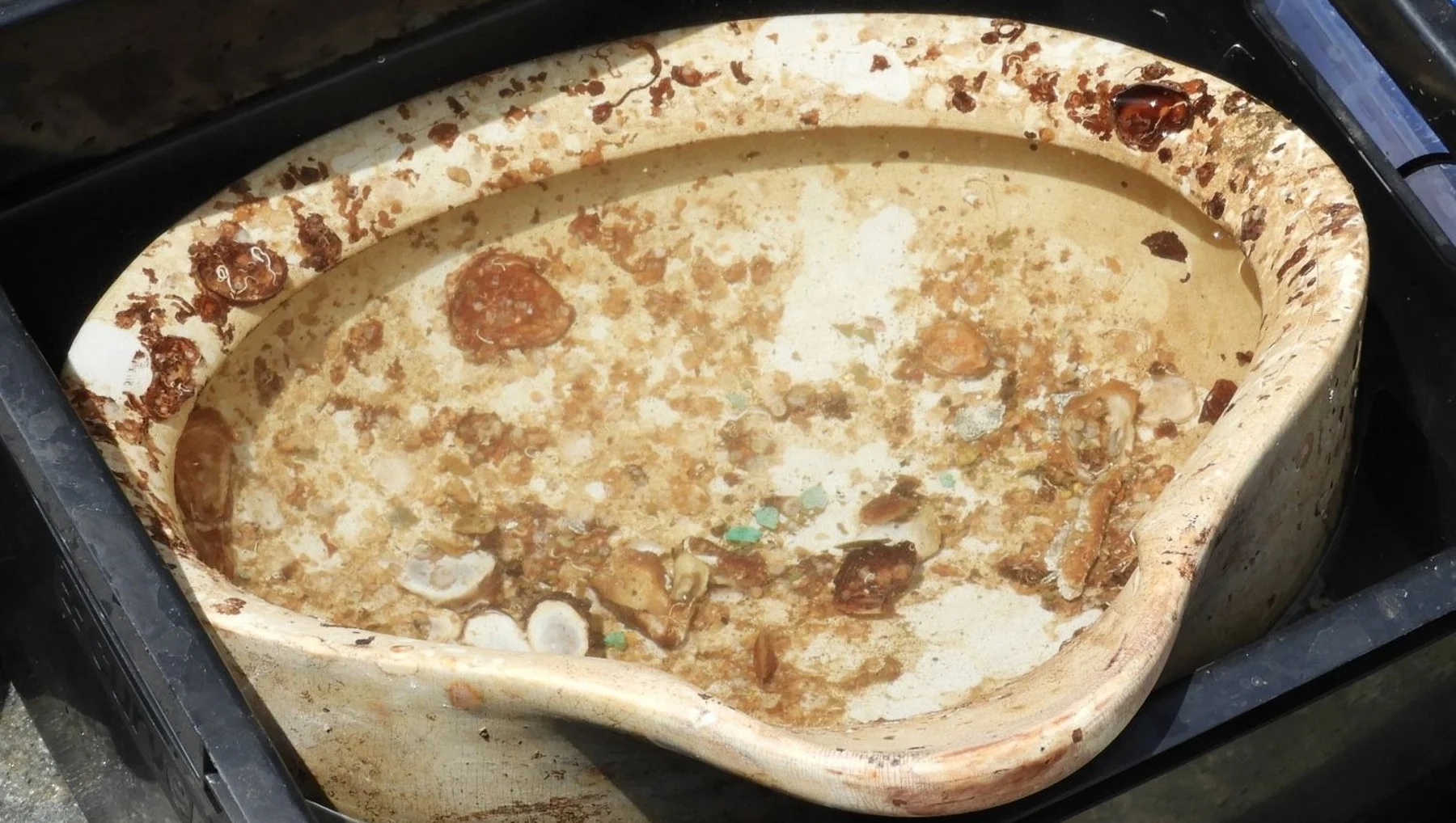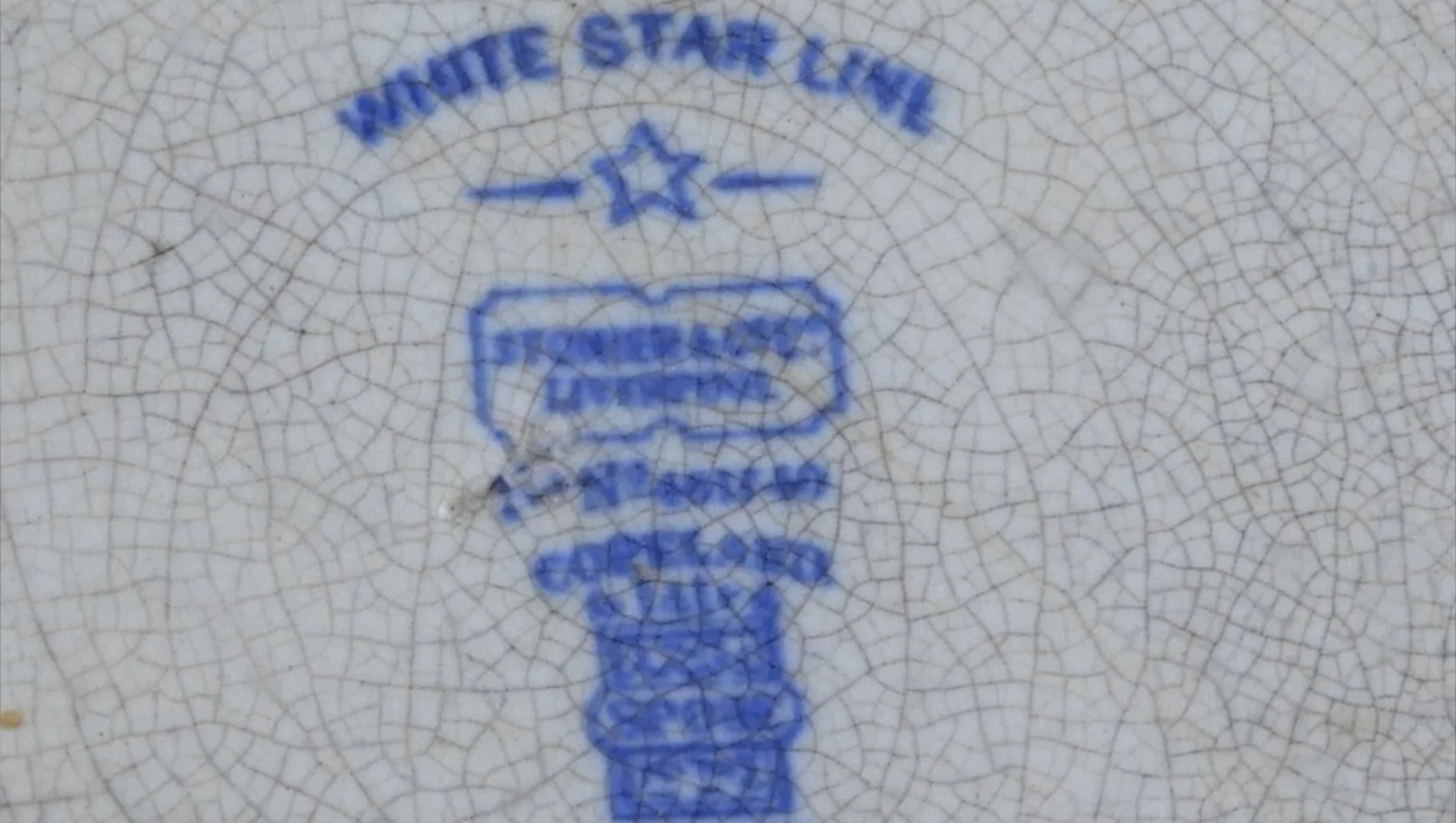


The HMHS Britannic wreck
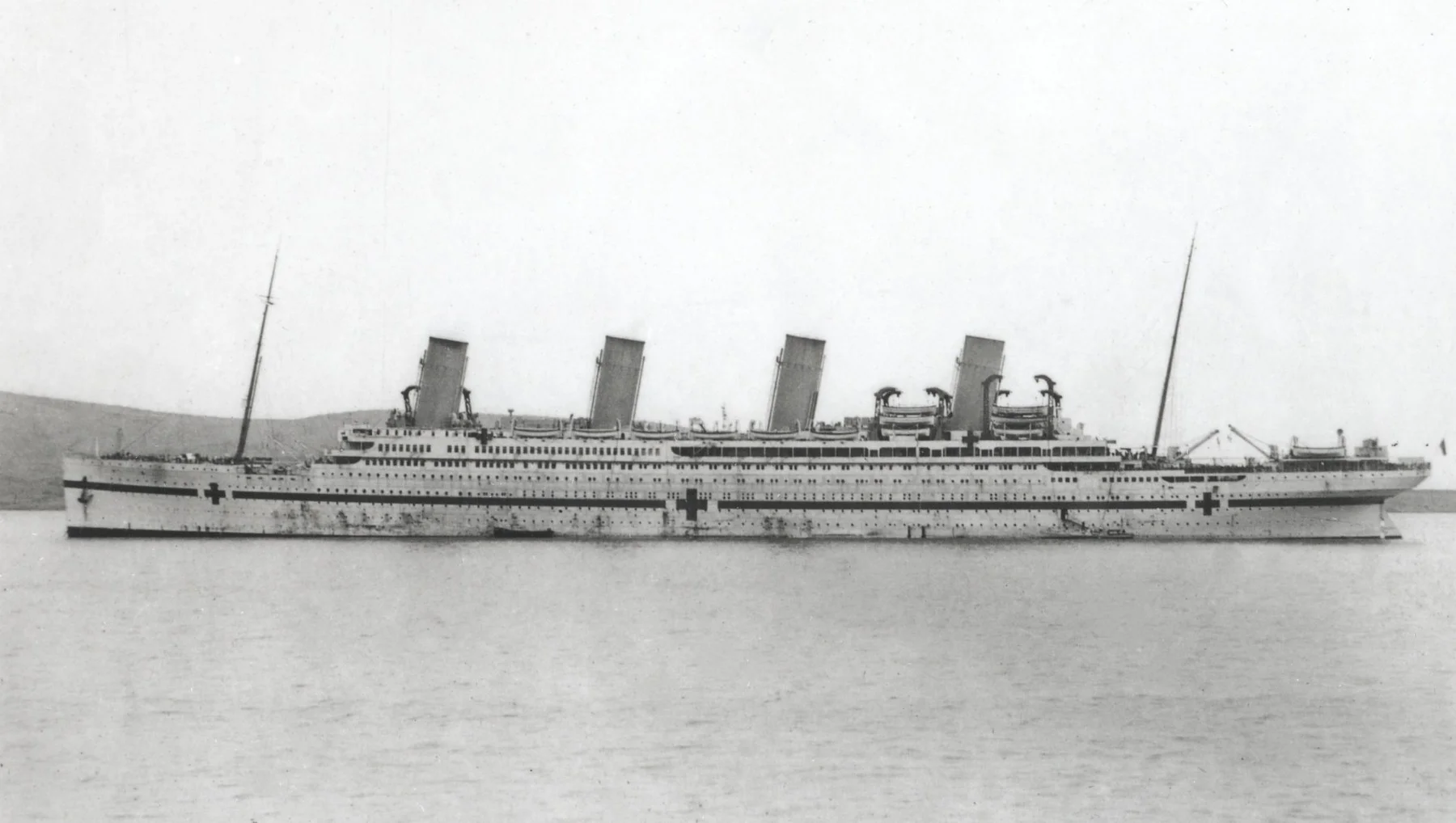
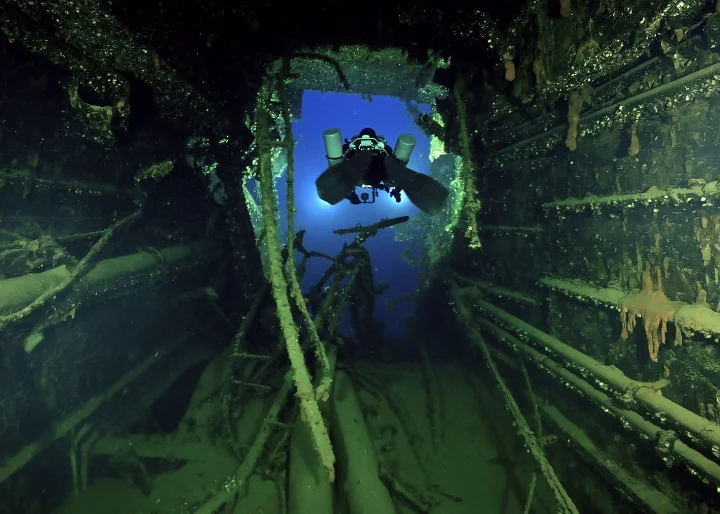
On November 16, 1916, the HMHS Britannic, commissioned by the British Admiralty to be converted into a floating hospital during World War I, while sailing off Kea, heading for the hospital station on Lemnos, struck a German mine and sank in less than an hour. Of the 1,065 people on board, 30 lost their lives when the ship’s propellers swept away two lifeboats. The HMHS Britannic, one of the largest ocean liners in the North Atlantic, was the twin of the Titanic.
The 2025 Research Expedition
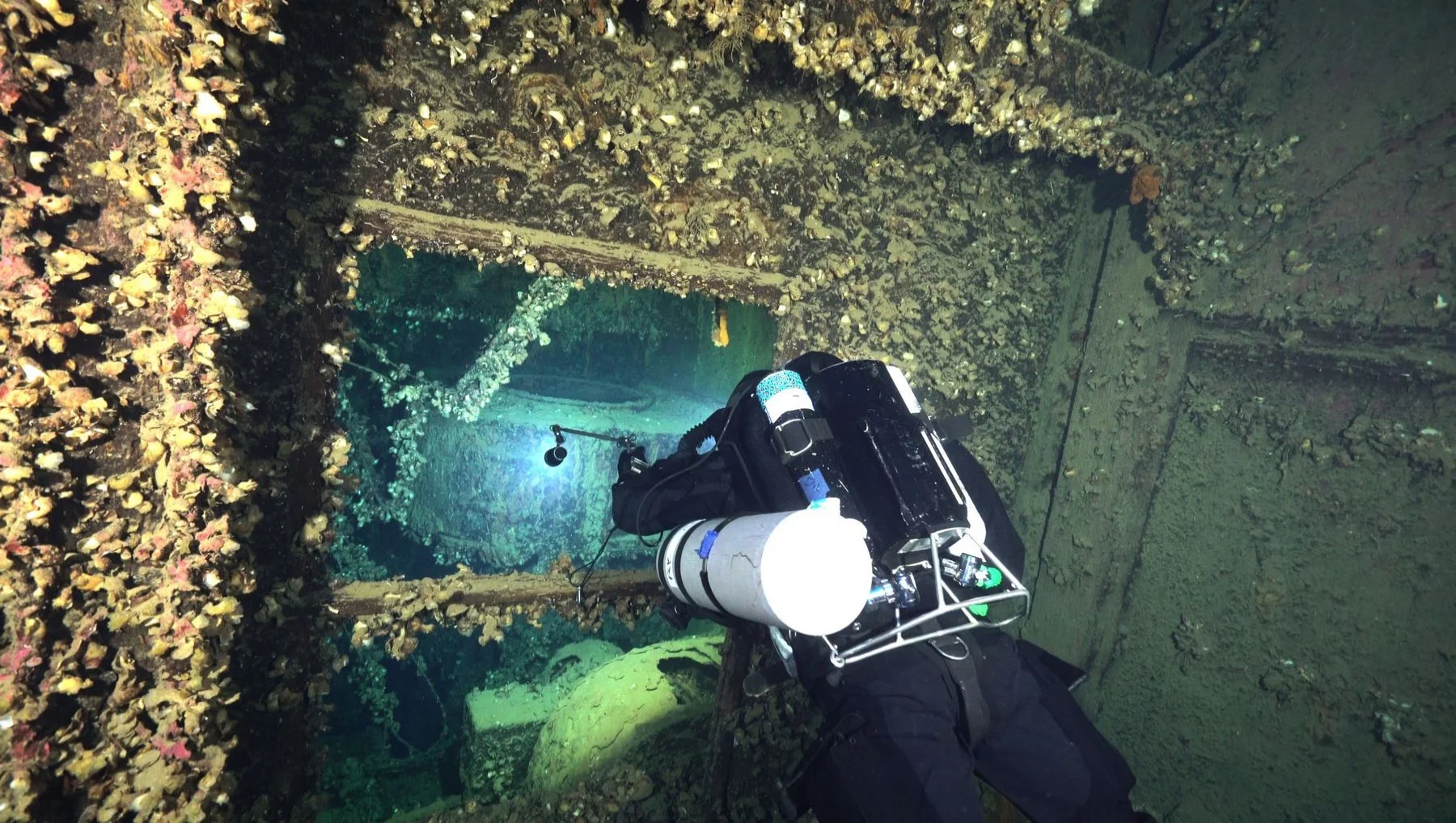
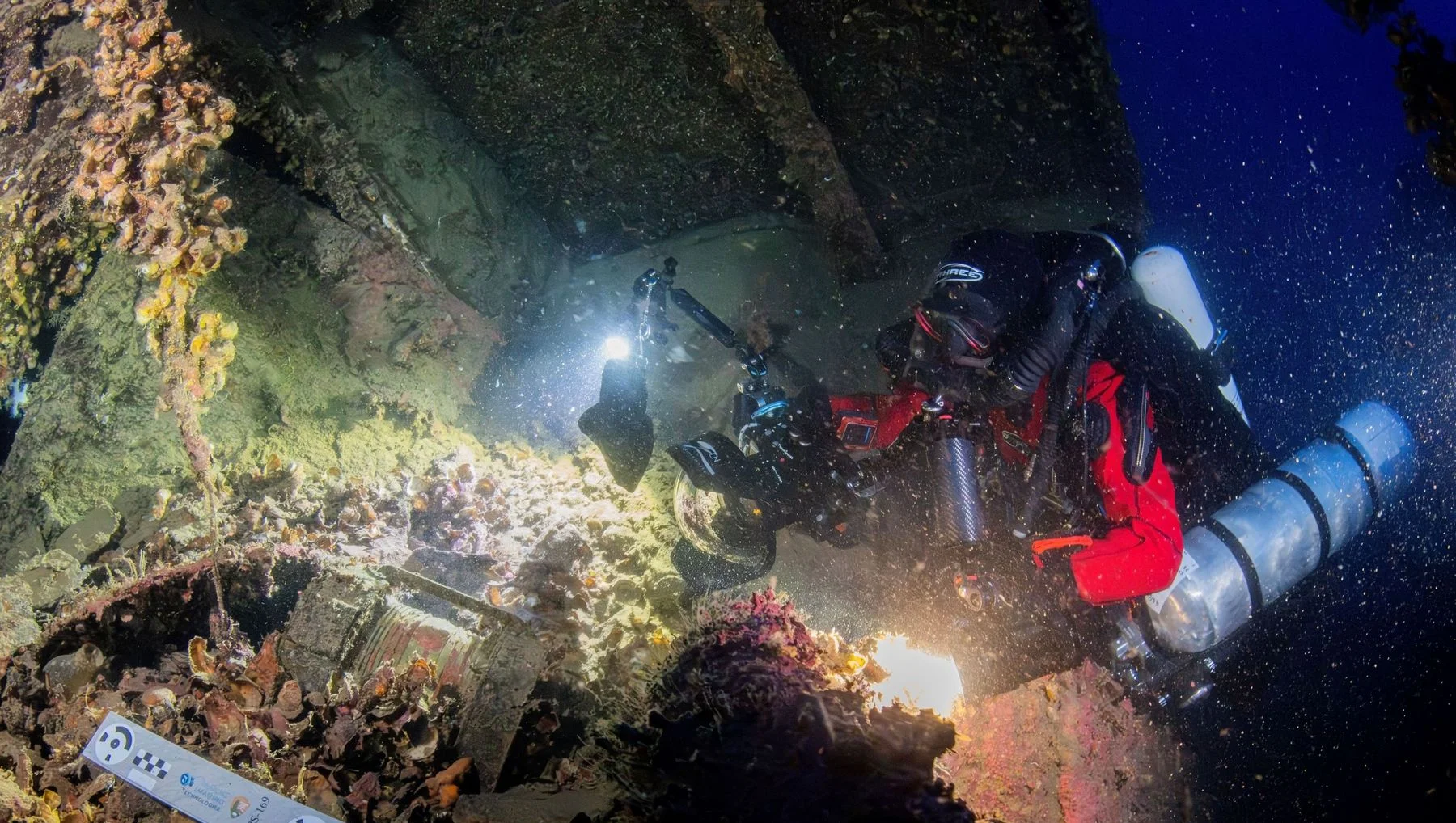
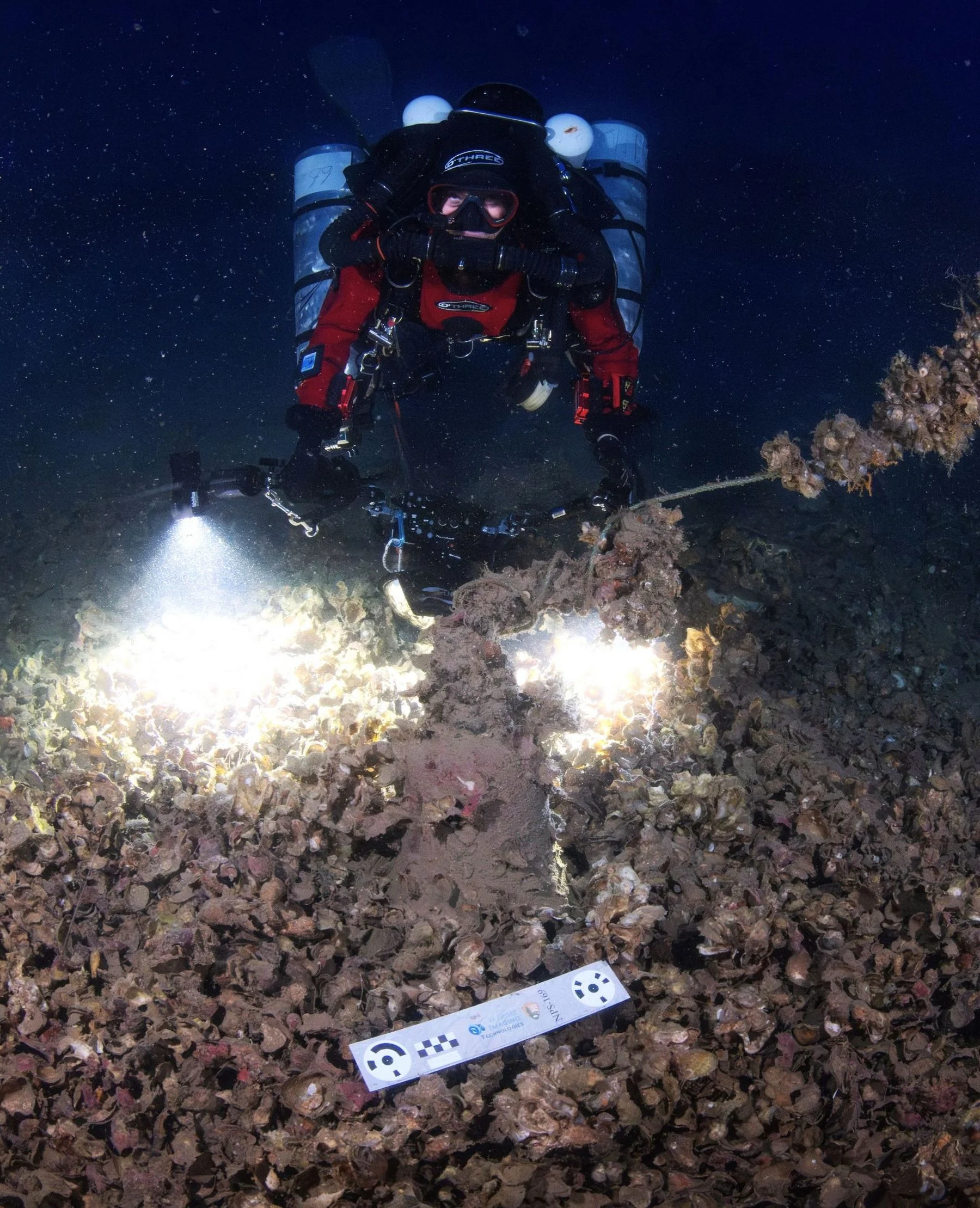
Between 6 and 13 May 2025, a research program approved by the Ministry of Culture was conducted, marking the first-ever recovery of selected objects from the wreck site, located at a depth of over 120 meters. The program was carried out under the supervision and guidance of the competent service of the Ministry of Culture, Ephorate of Underwater Antiquities.
The diving team and their difficulties
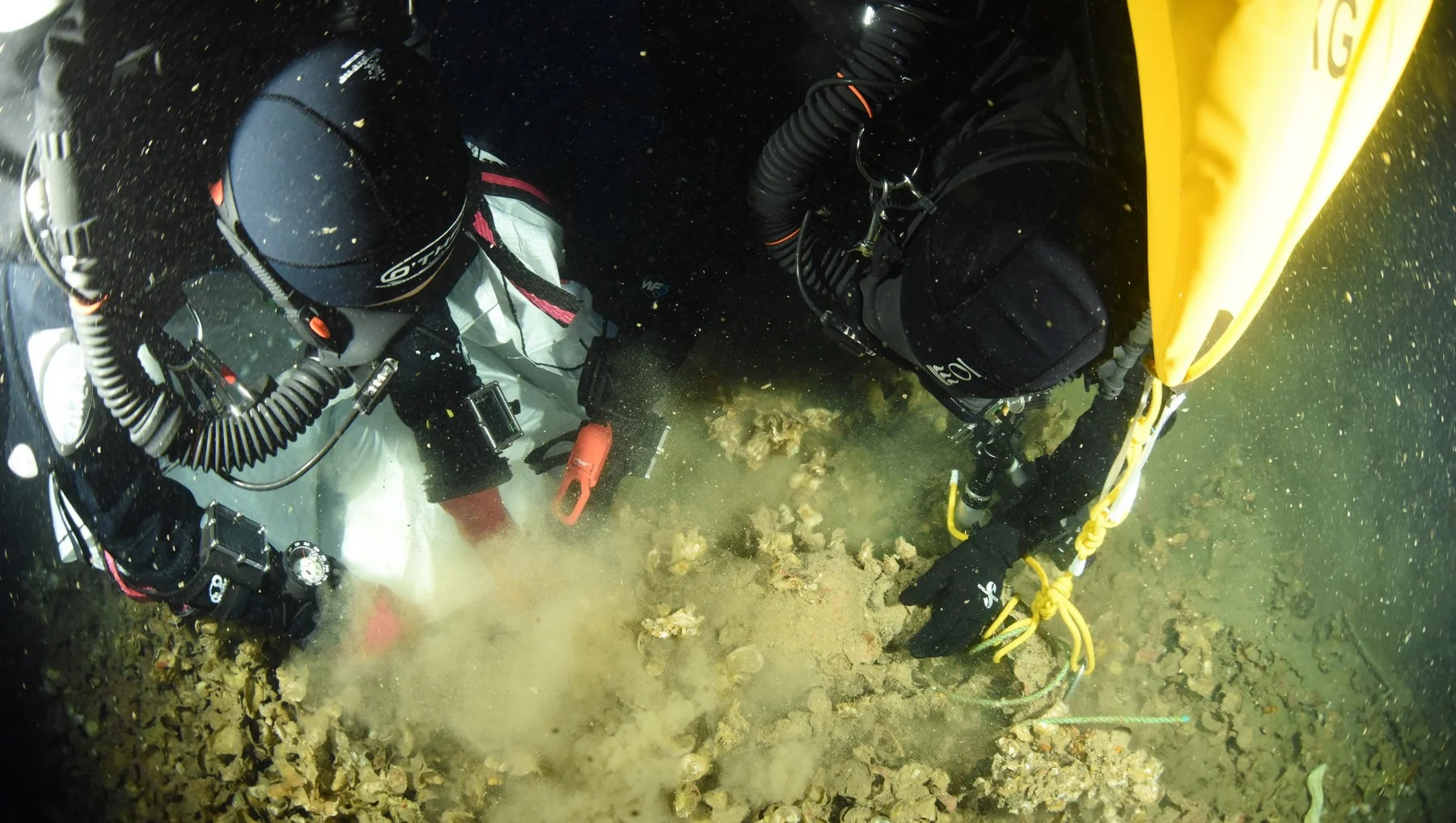
The project to recover the objects was undertaken by an 11-member diving team consisting of professional deep-sea divers, and closed-circuit diving devices were utilized. The research was organized by the British amateur historian Simon Mills, founder of the “Britannic Foundation”. At the same time, the safety and organization of the dives were handled by I. Tzavelakos, Evan Kovacs, and Richie Kohler. Throughout the research, the three-member team of the Ephorate of Underwater Antiquities was present, consisting of Evangelistis Dionysios, diving archaeologist, Fouseki Chryssa, diving conservator, and Mercenier Louis, underwater technician, for the overall supervision and coordination of the work, the reception of the findings and the implementation of the first conservation works. Some of the objects selected during the initial research planning, due to their location and preservation conditions, could not be retrieved. The conditions at the wreck site were particularly challenging due to the strong currents, the great depth, and the low visibility.
The lifting and conservation process
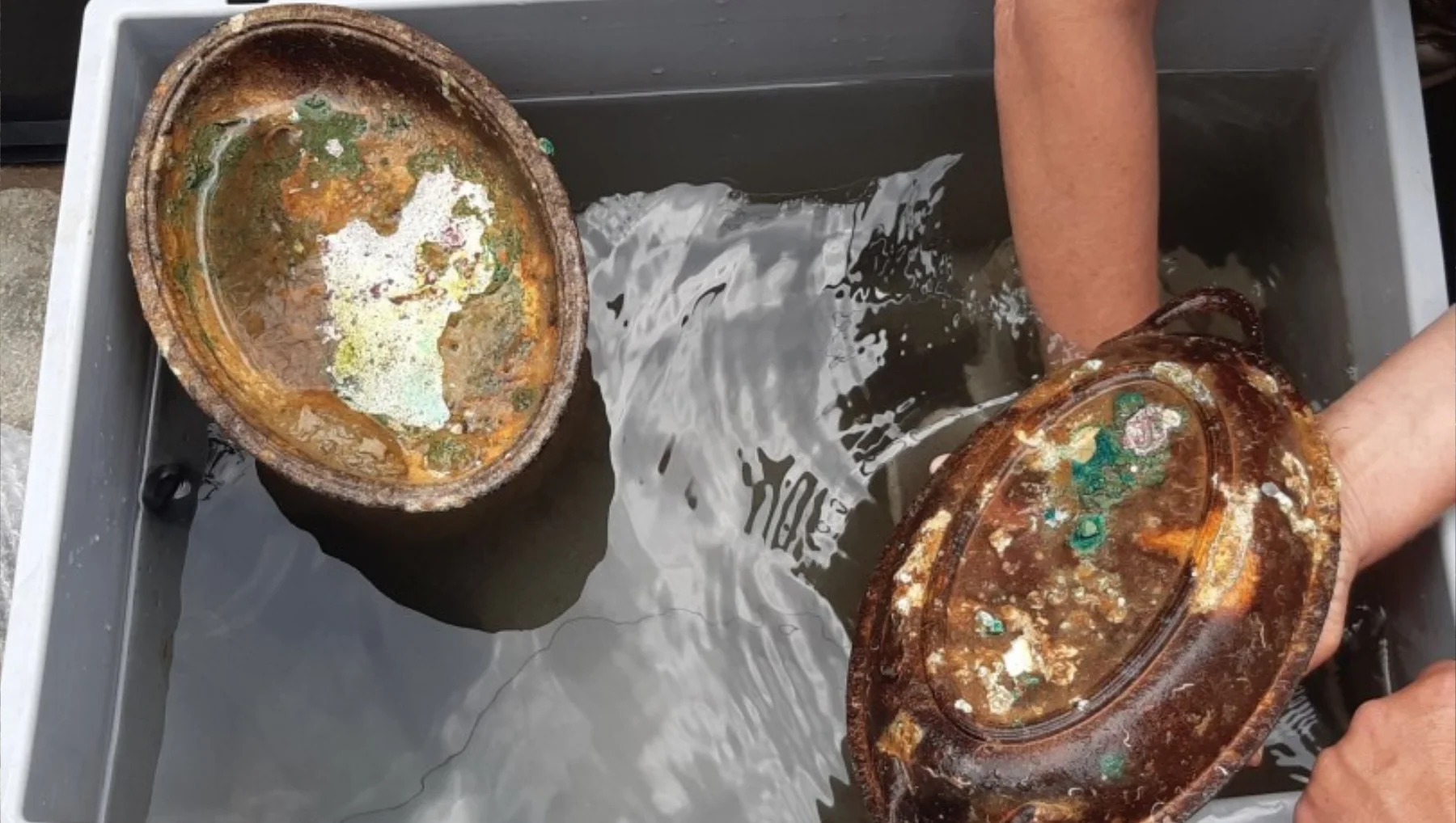
All the objects were raised with liftbags by the diving team, with safety and care. Subsequently, the objects were placed in specially designed boxes, while the process of cleaning them from marine organisms immediately began. The findings from the research were stored in a space provided by the Ephorate of Underwater Antiquities, courtesy of the Kea Police Department. At the end of the study, all the objects were safely transferred to the laboratories of the Ephorate of Underwater Antiquities in Athens, where their conservation process continues.
The most important findings
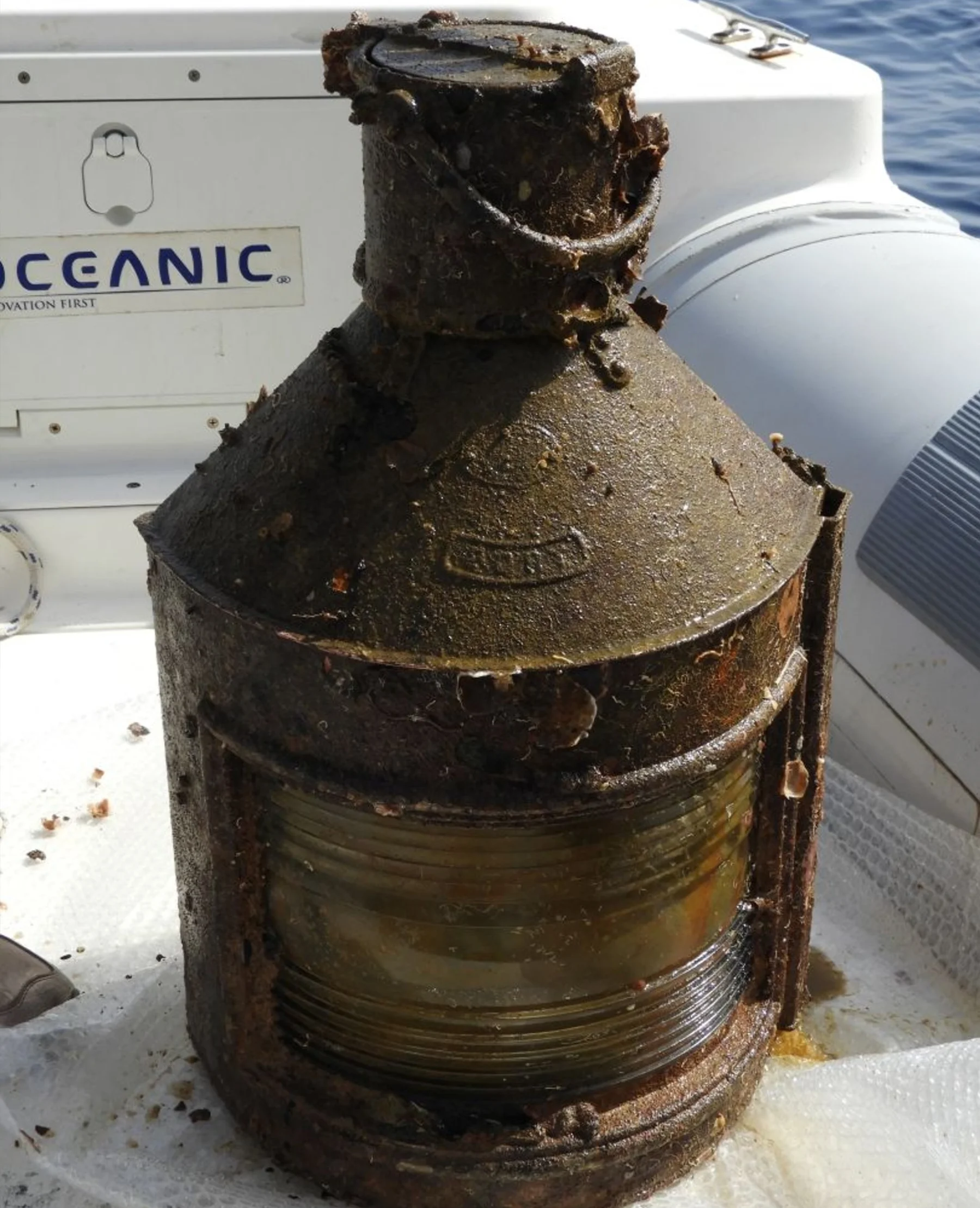
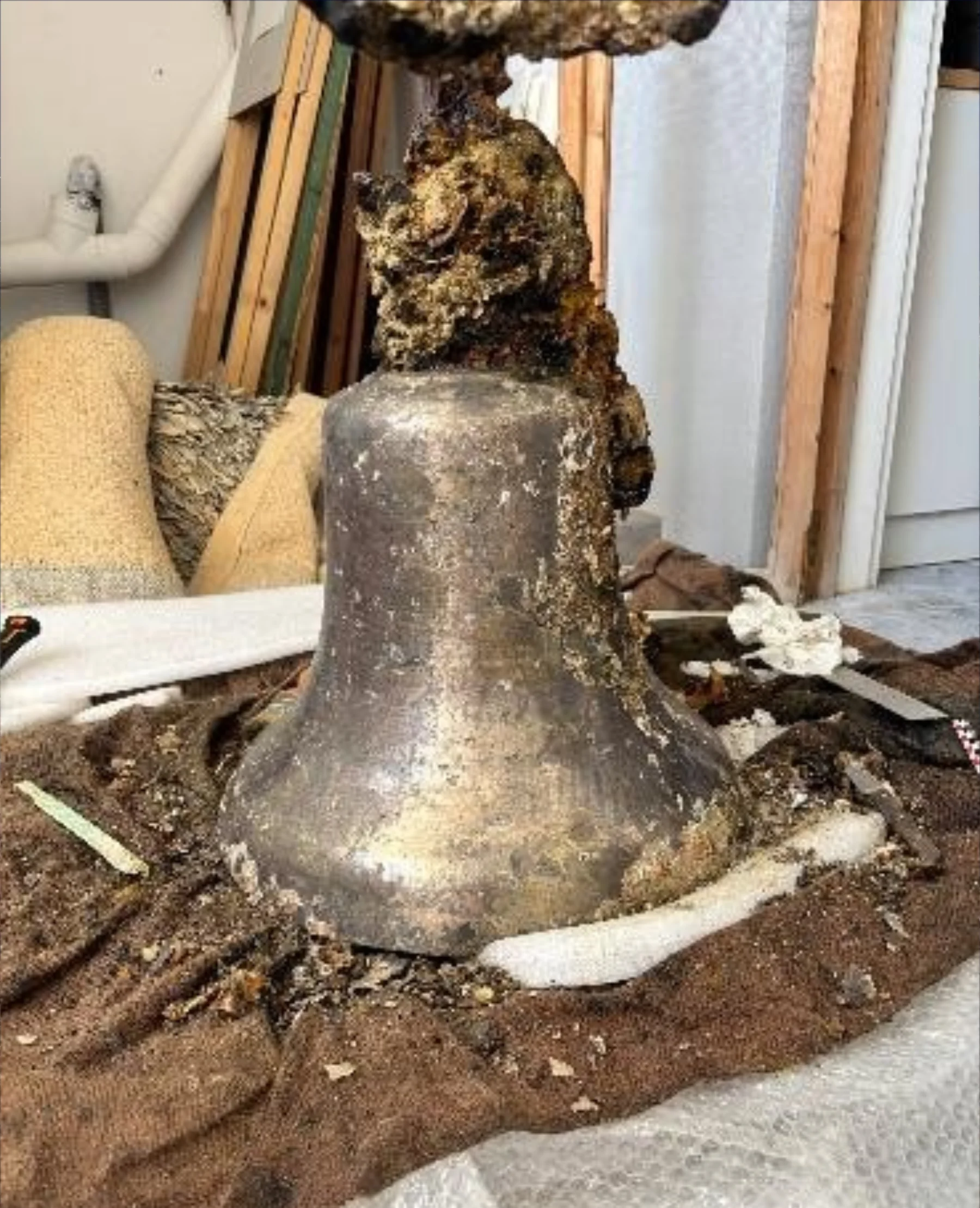
Of the recovered objects, the ship’s observatory bell, the left signal light, various items from the portable equipment of the first and second positions, ceramic tiles from the decoration of the Turkish bath, which were found detached, and a pair of observation binoculars are of particular interest.
Exhibition at the National Museum of Underwater Antiquities
The objects are to be included in the permanent exhibition of the National Museum of Underwater Antiquities under construction in Piraeus, in the section on World War I, where the wreck of the “Britannicus” is a prominent exhibit.
Acknowledgements and collaborations
Thanks for the successful outcome of the entire venture are due to both the 11-member diving team, as well as the Municipality of Kea, the Port Authority and the Kea Police Department.