



Late antiquity shipwreck
Tilegrafos
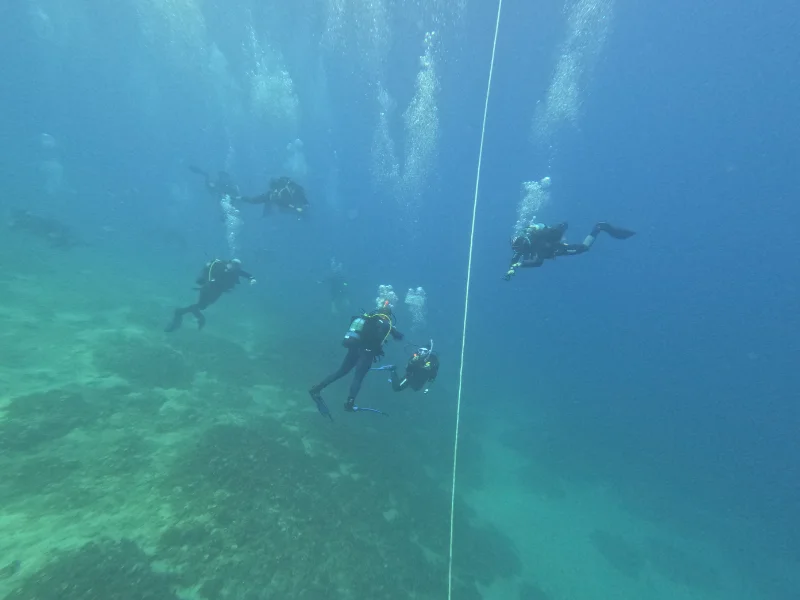
The Accessible Underwater Archaeological Site (AUAS) of Tilegraphos is located approximately six (6) nautical miles south of Amaliapolis, in a marine area at the eastern end of “Tilegraphos” bay, near Sourpi, Magnesia.
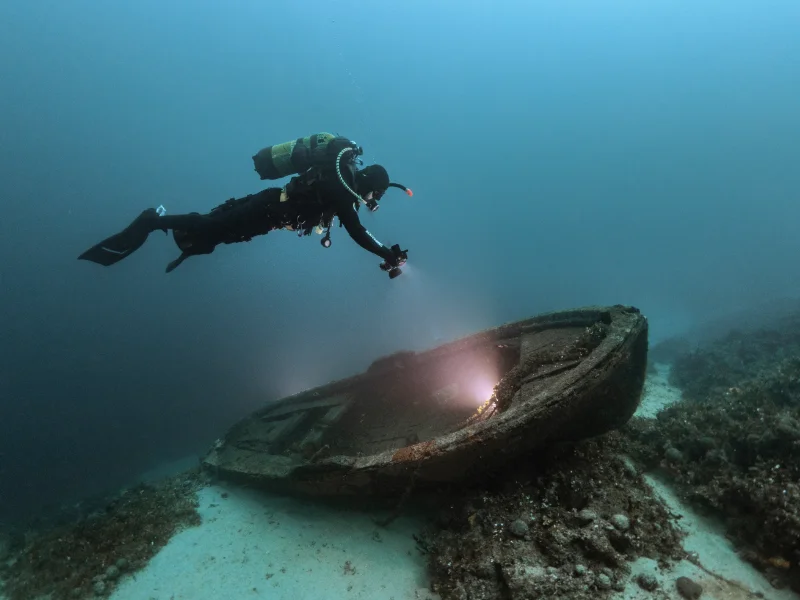
At this point, ancient objects have been found mainly from the cargo of a shipwreck from the 4th century AD. This ship was carrying goods, mainly amphorae – large clay containers used to transport wine, oil or other products. In addition to these, a few Byzantine amphorae dating back to the 11th-12th centuries AD, as well as a modern boat, have also been found in the same area.

Excavation at the bottom: Shipwreck 7 and the secrets of late antiquity
Shipwreck 7, as it was conventionally named, was located at the eastern end of “Tilegraphos” Bay in the year 2000, during the first year of the underwater reconnaissance survey of the Hellenic Institute of Maritime Archaeology (HIMA – I.E.N.A.E.). It was considered the most important independent find of that research, as at first glance it seemed unsolved and belonged to a time period (4th century AD) for which no systematic underwater archaeological research had been carried out in Greece until then.
In 2003, it was surveyed, at which time it was found that it had unfortunately been extensively plundered. However, the excavation of the shipwreck, which began in 2004 and was completed in 2008, contributed important data on the trade and navigation of late antiquity, a transitional historical period, during which the capital of the Roman Empire was transferred to Constantinople, the empire was divided into two parts (eastern – western) and the transformation of its eastern part into the Byzantine state began.
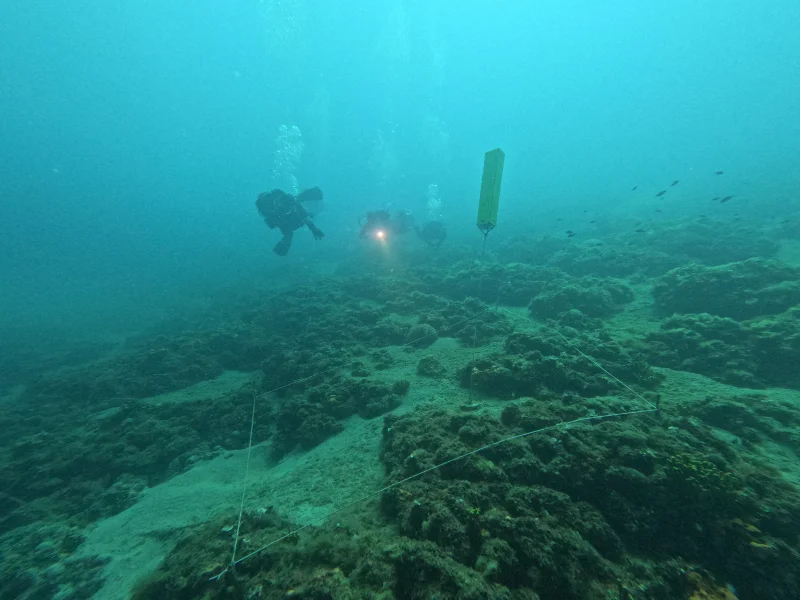
For the needs of the research of shipwreck 7, an archaeological grid measuring approximately 45x9m was installed on the seabed, while an airlift system was used to excavate the sectors.
It is worth noting that shipwreck 7 was the second shipwreck of this period to be excavated after Yassi Ada 1, on the Asia Minor coast, while it is one of the few systematic underwater excavations in Greece.
Shallower than shipwreck 7, the research also identified a small concentration of Byzantine amphorae dating to the 11th – 12th centuries AD and attributed to a later shipwreck conventionally named “shipwreck 8”.
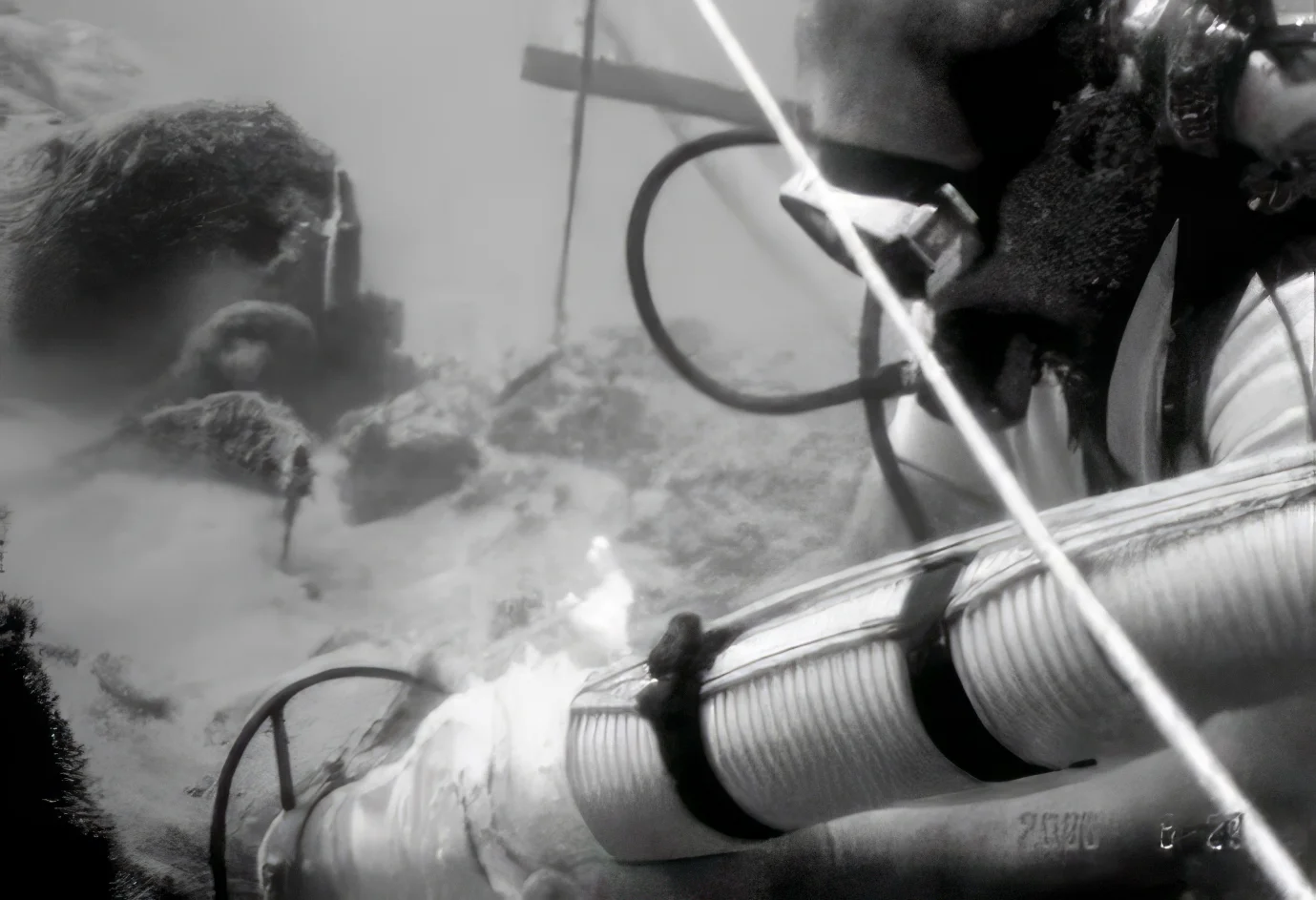
From the excavation of IENAE, 2008
The ship
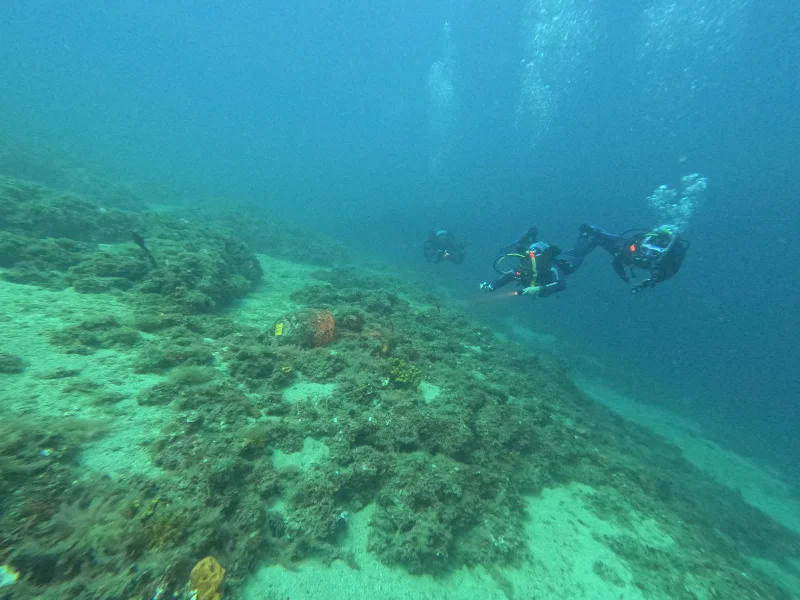
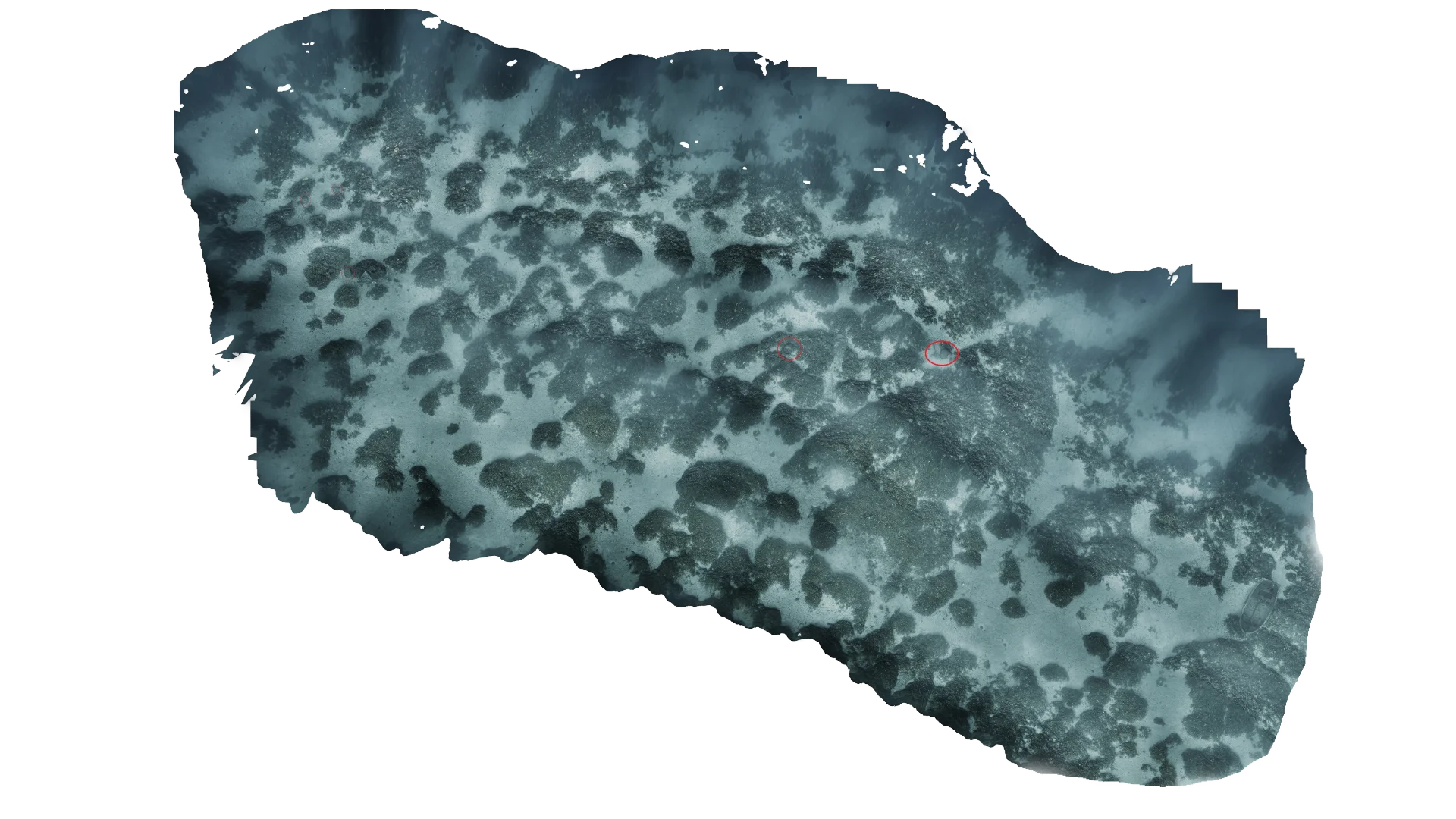
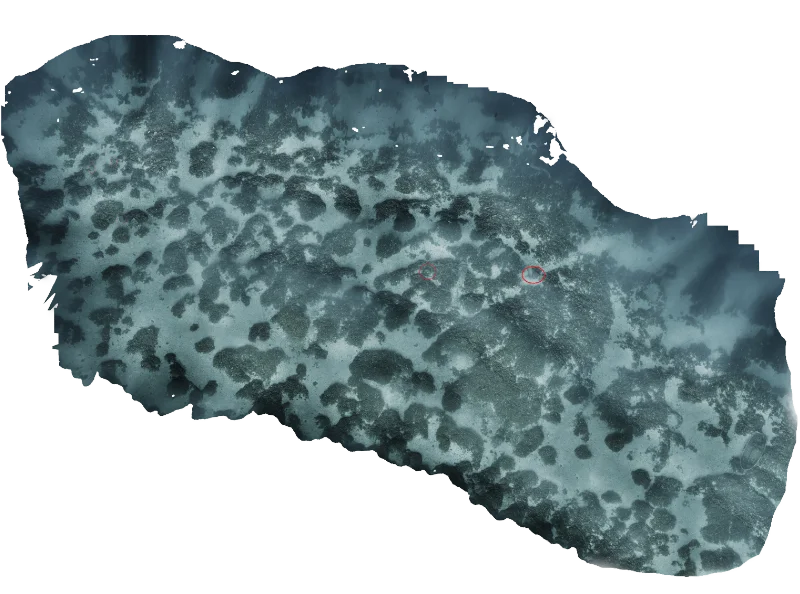
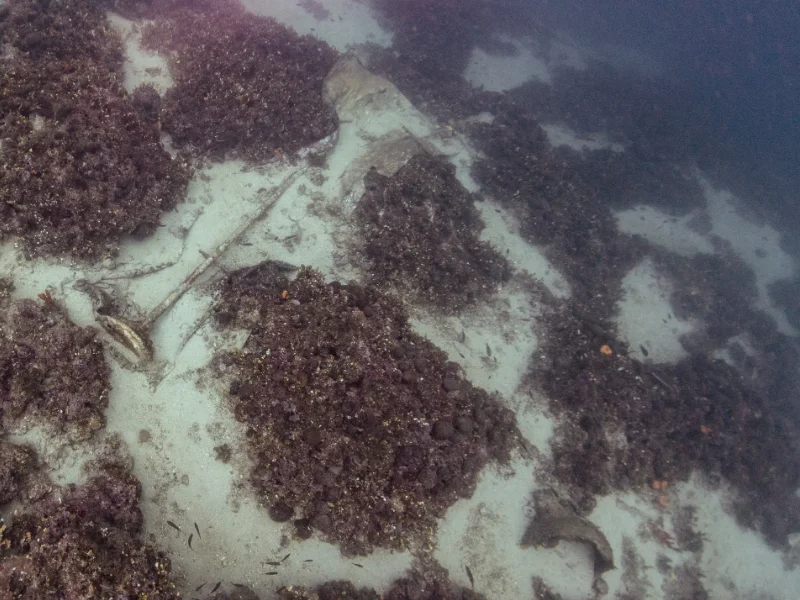
The shipwreck is located very close to the rocky coast, on the slope that continues underwater, forming successive terraces with rocky outcrops, craggy formations and extensive sandbanks.
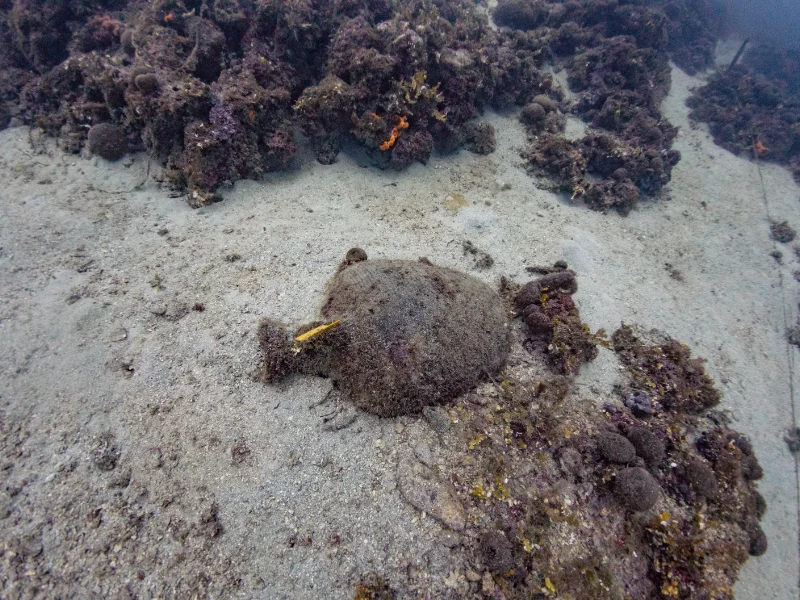
The finds (mainly commercial amphorae) extend to a depth of -17 to -23 meters and are spread over a fairly large area (10×50 meters, approximately), forming two main concentrations, one at the eastern and one at the western end of the area.
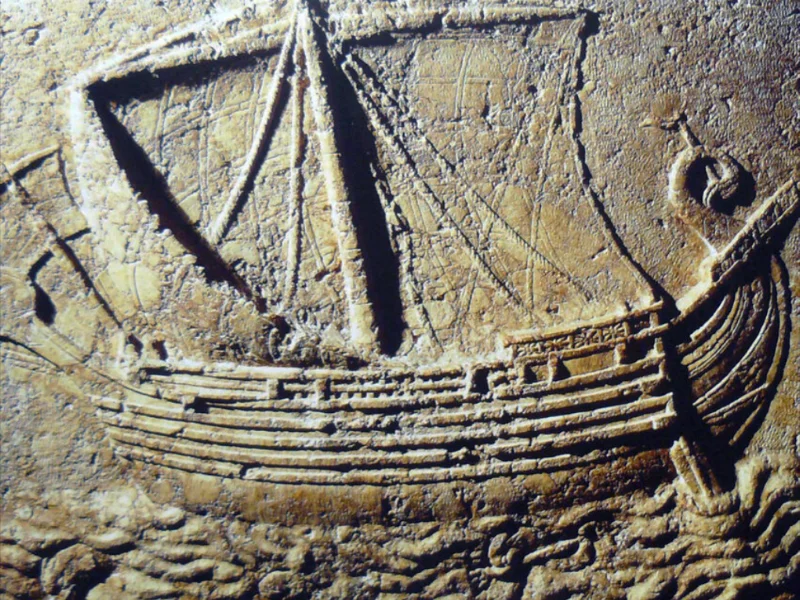
The number and volume of the amphorae lead to the assessment that this is a relatively small merchant ship, with a carrying capacity of approximately 50 tons.
The study of the amphorae, in conjunction with our knowledge of the production centers of the time, provides some solid evidence for the ship’s journey, which, after loading amphorae with wine in one of the central ports for the movement of goods (perhaps Corinth), sailed into the Pagasetic Gulf to trade them.
The scattering of amphorae on the bottom, as well as the absence of remains of the boat itself or its rigging (a metal anchor claw probably does not appear to belong to it), likely indicate that the ship capsized due to rough seas, which, now “freed” of its cargo, drifted and sank somewhere far away.
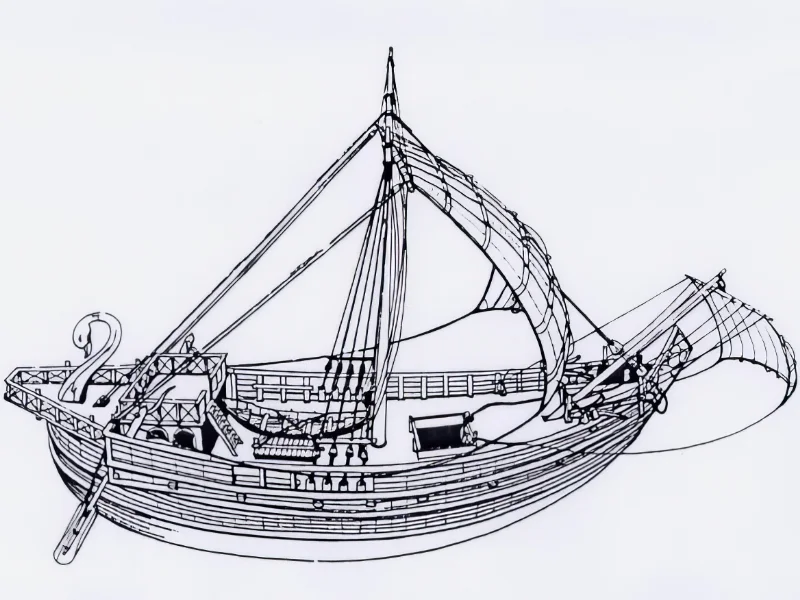
The cargo
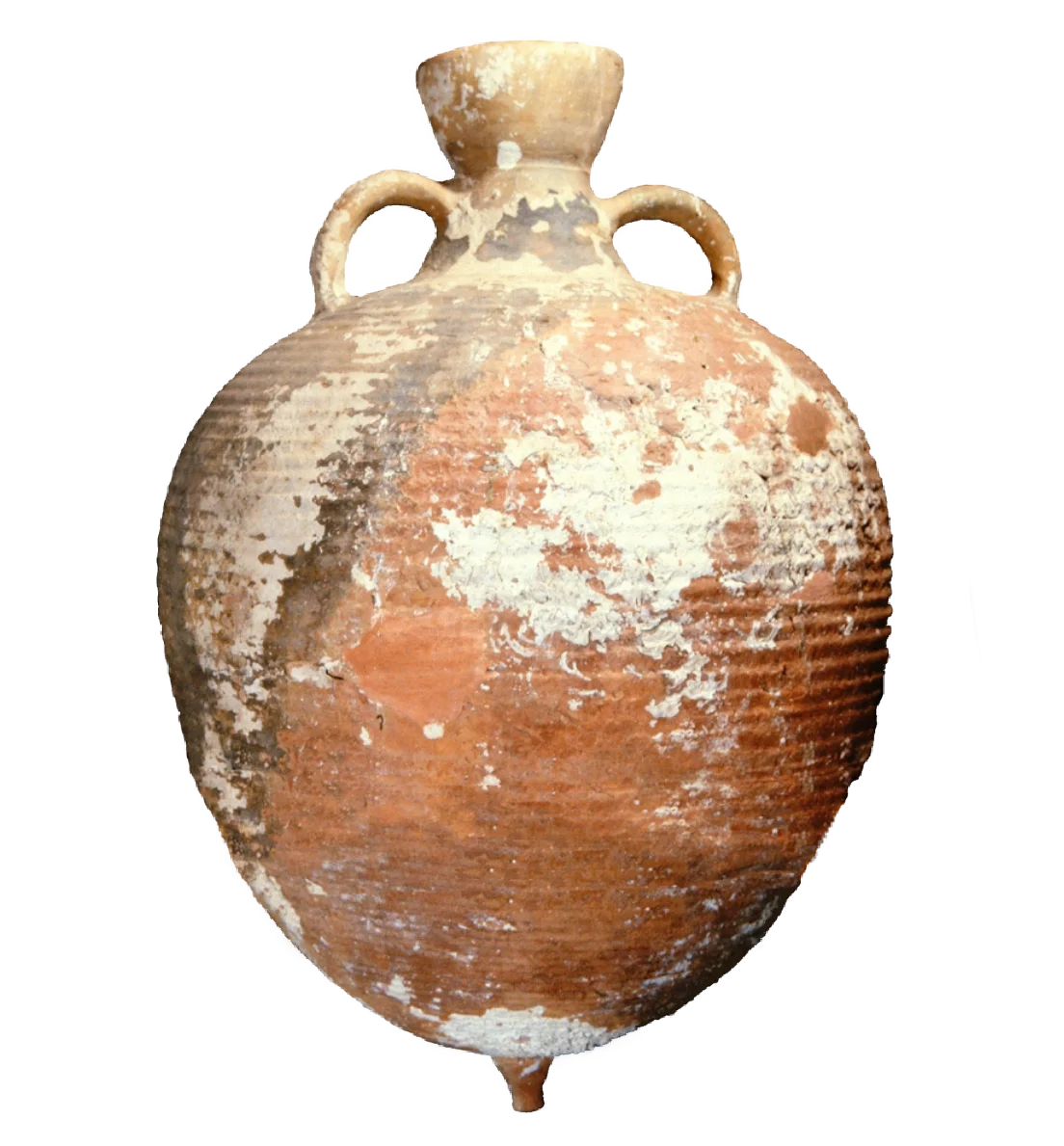
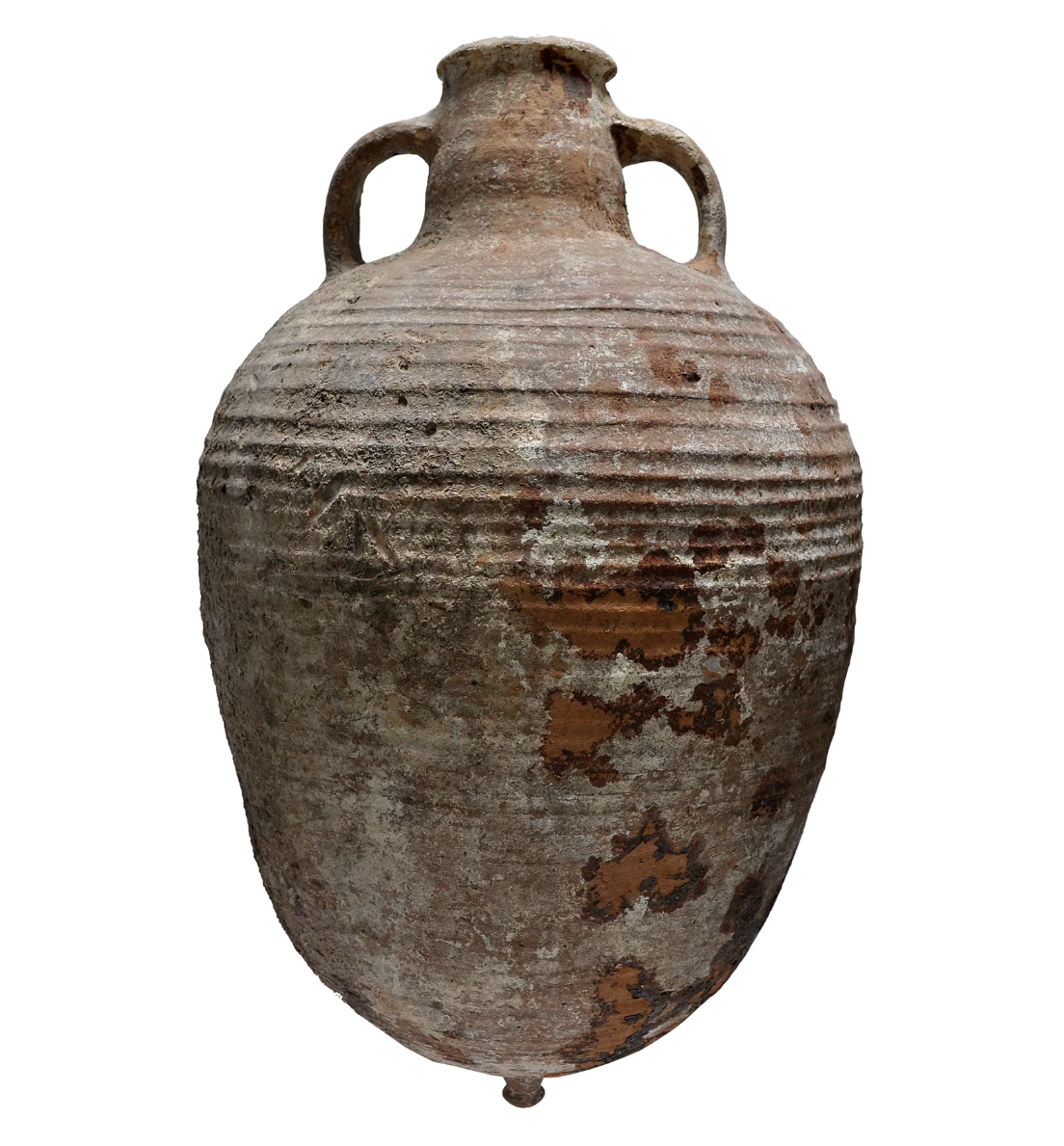
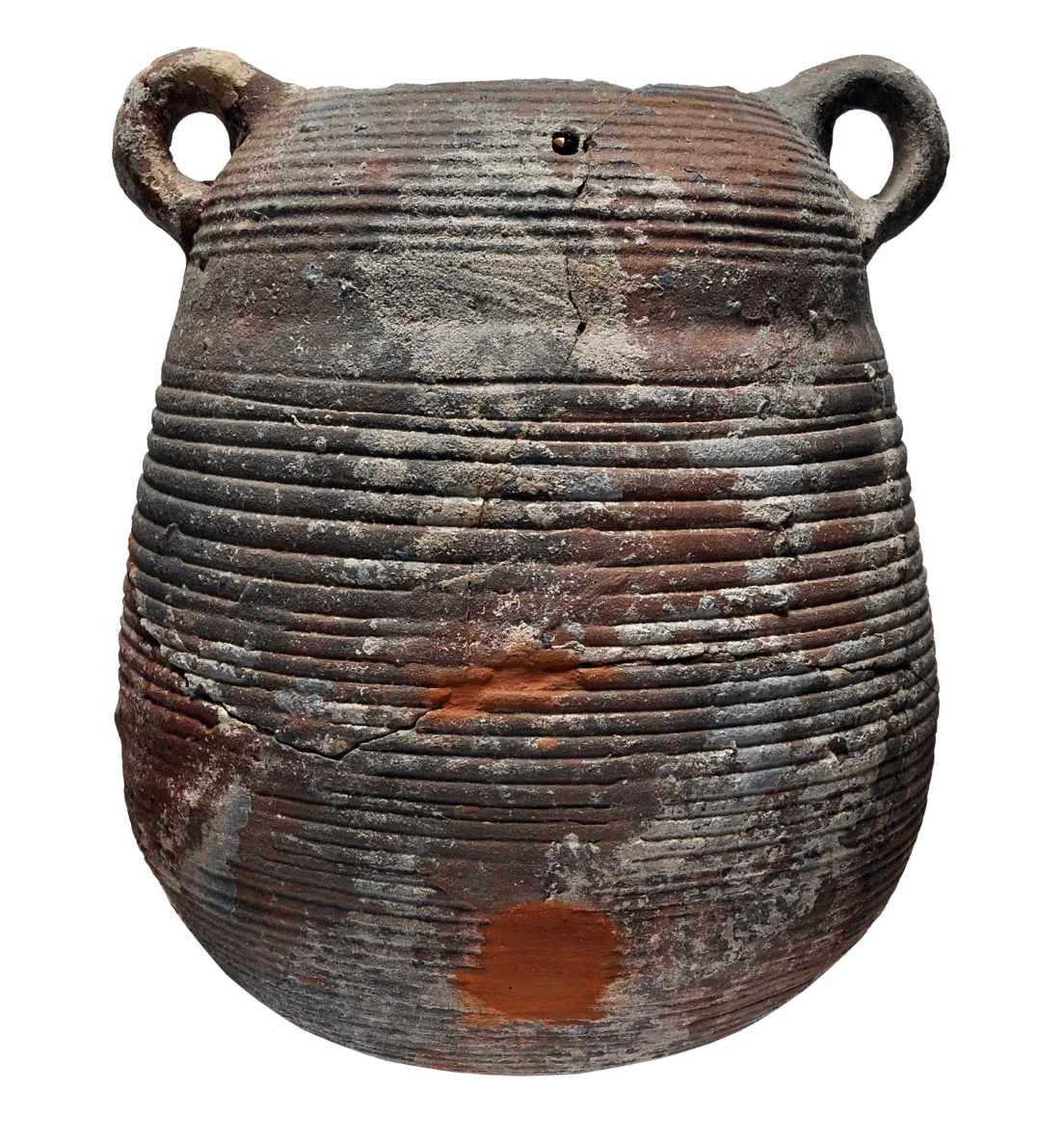
During the research of the wreck, eight different types of commercial amphorae were found, all dating to the 4th century. Of these, most belong to three types that appear to have constituted the main cargo of the ship. These amphorae bore traces of tar on the inside, a strong indication that they were intended for the transport of liquid, especially wine.
Amphorae represented by few or isolated specimens probably belonged to the ship’s supplementary cargo or to the crew’s utensils. The study of the amphorae indicates as places of origin-production workshops from the Northern Peloponnese and the Eastern Aegean, while a single specimen (type 5) comes from Palestine.
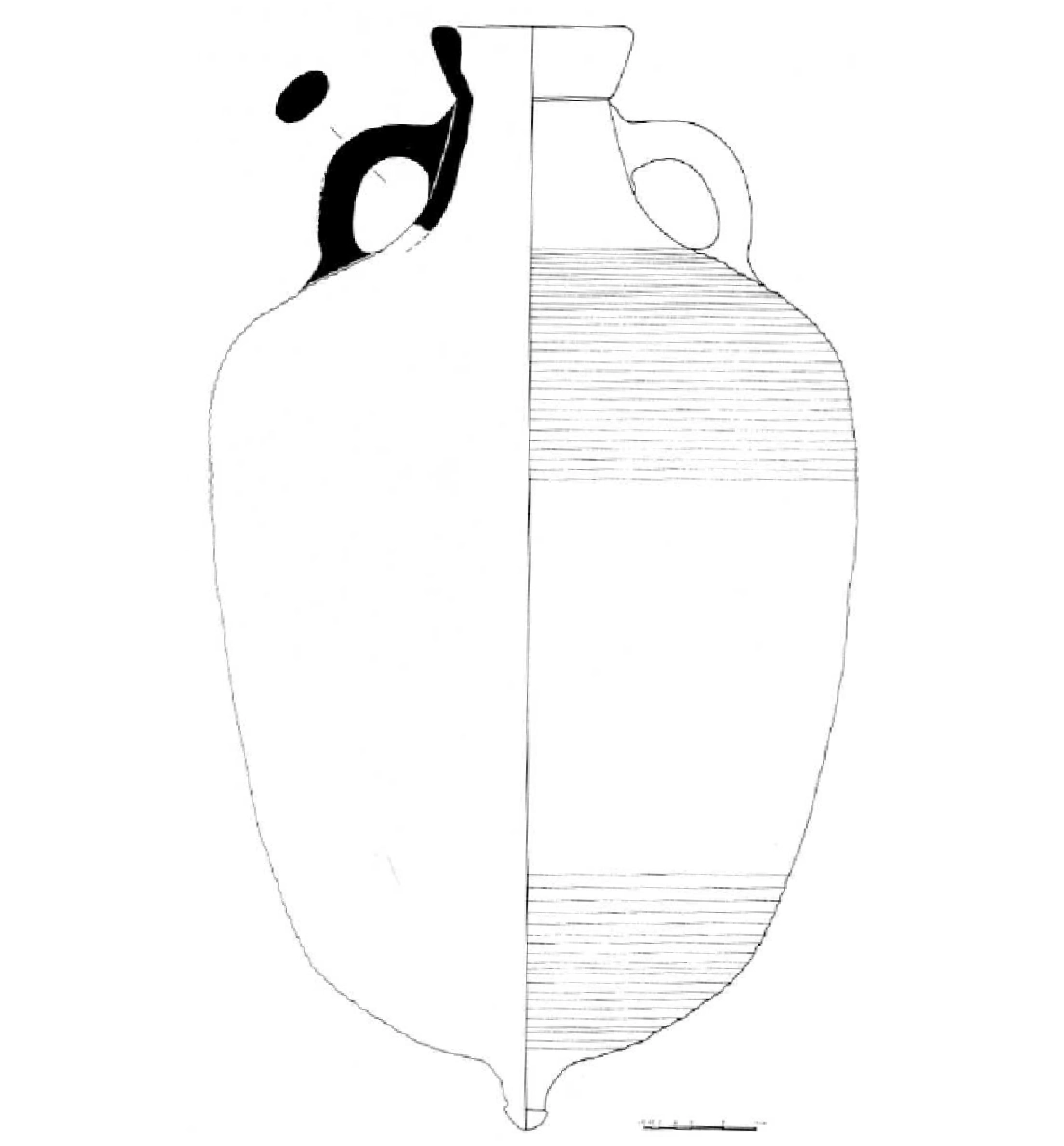
The amphorae classified as “Type 1” of the shipwreck have not yet been identified with any exact parallel in the literature. However, they present the basic characteristics of the period: low cylindrical neck, oval body with parallel horizontal grooves, base with low pedestal. 8 such amphorae were identified in the shipwreck.
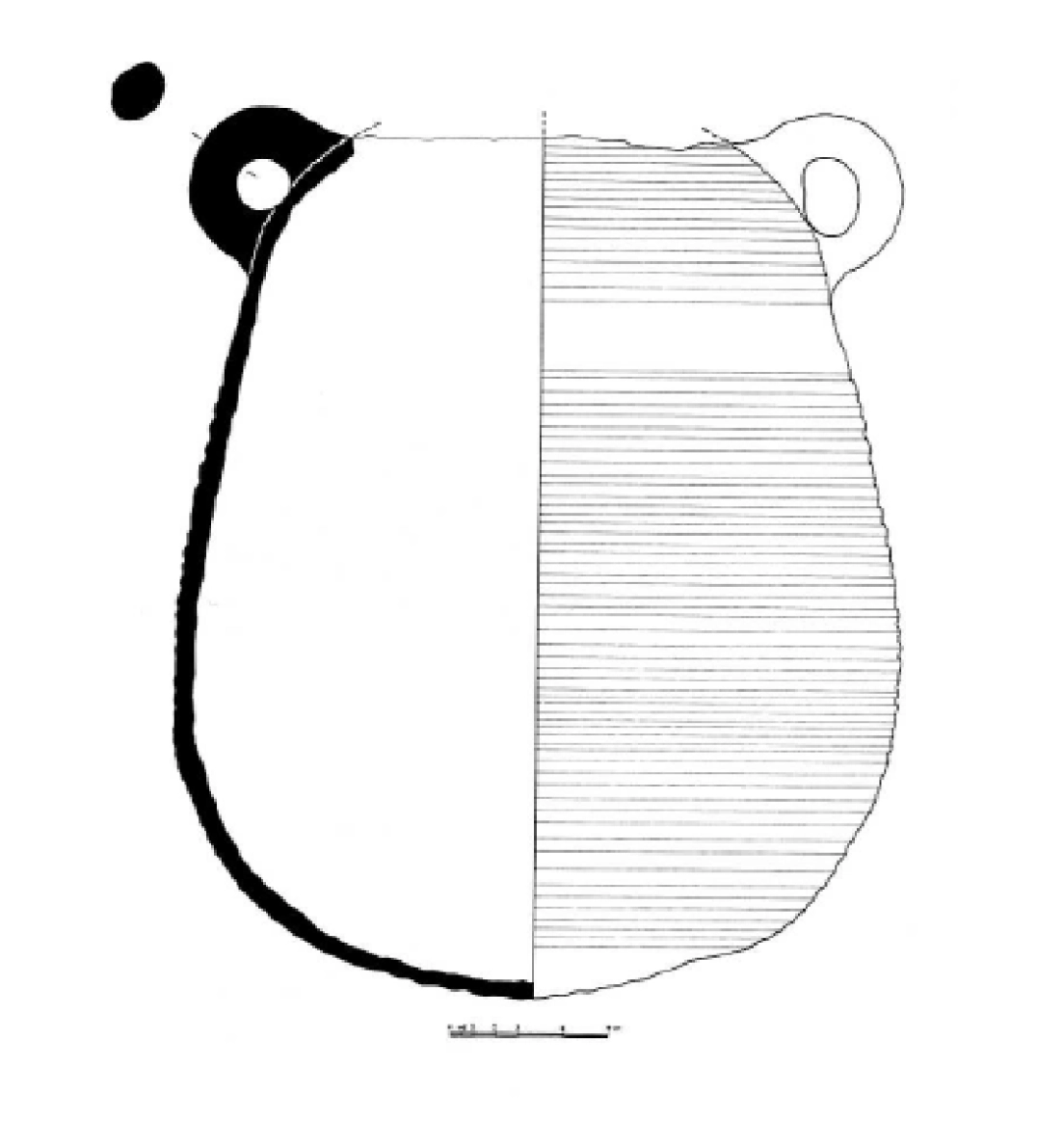
The “Type 5” amphora comes from Palestine.
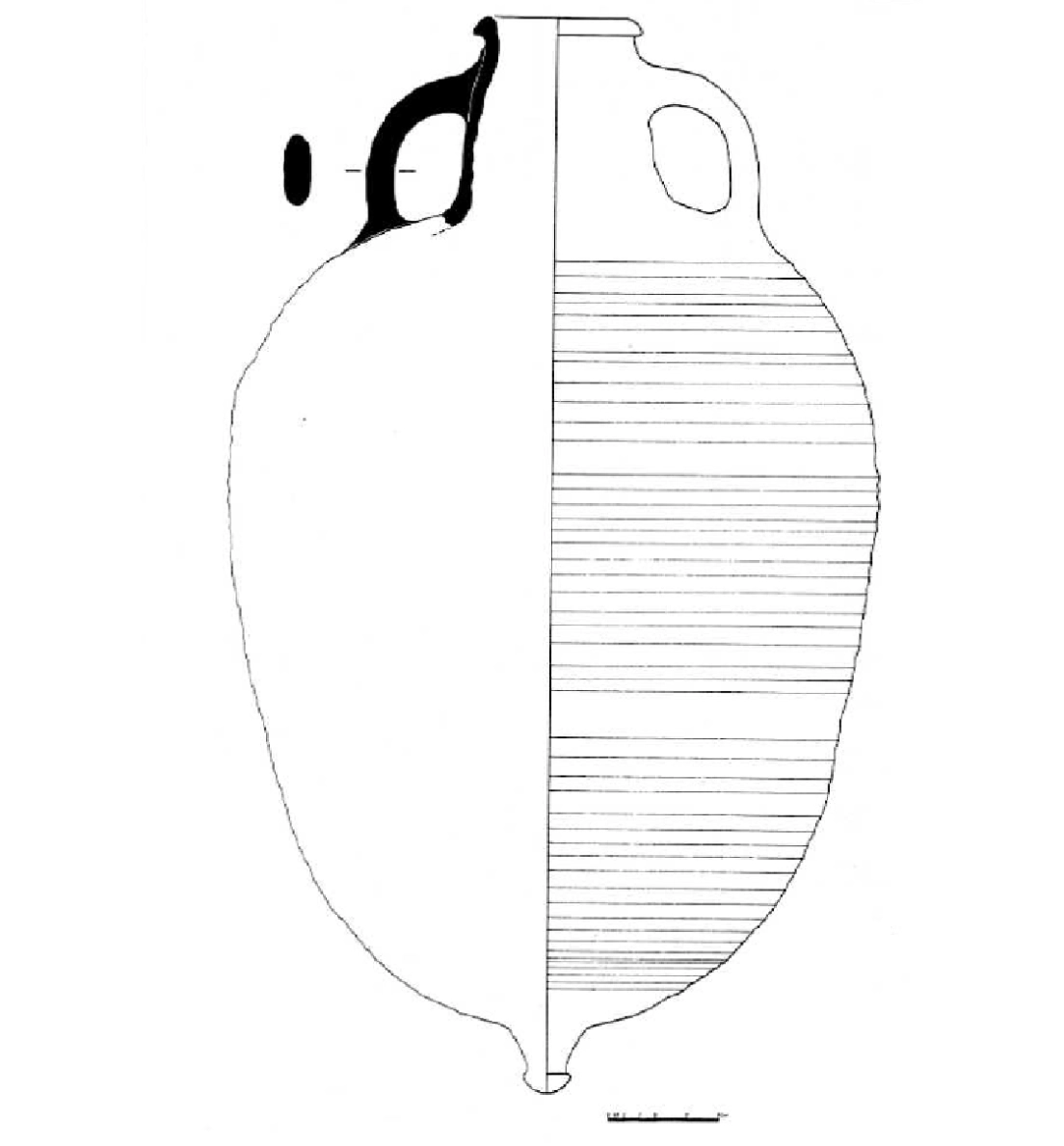
Type 01 amphora from shipwreck 7, Tilegrafos
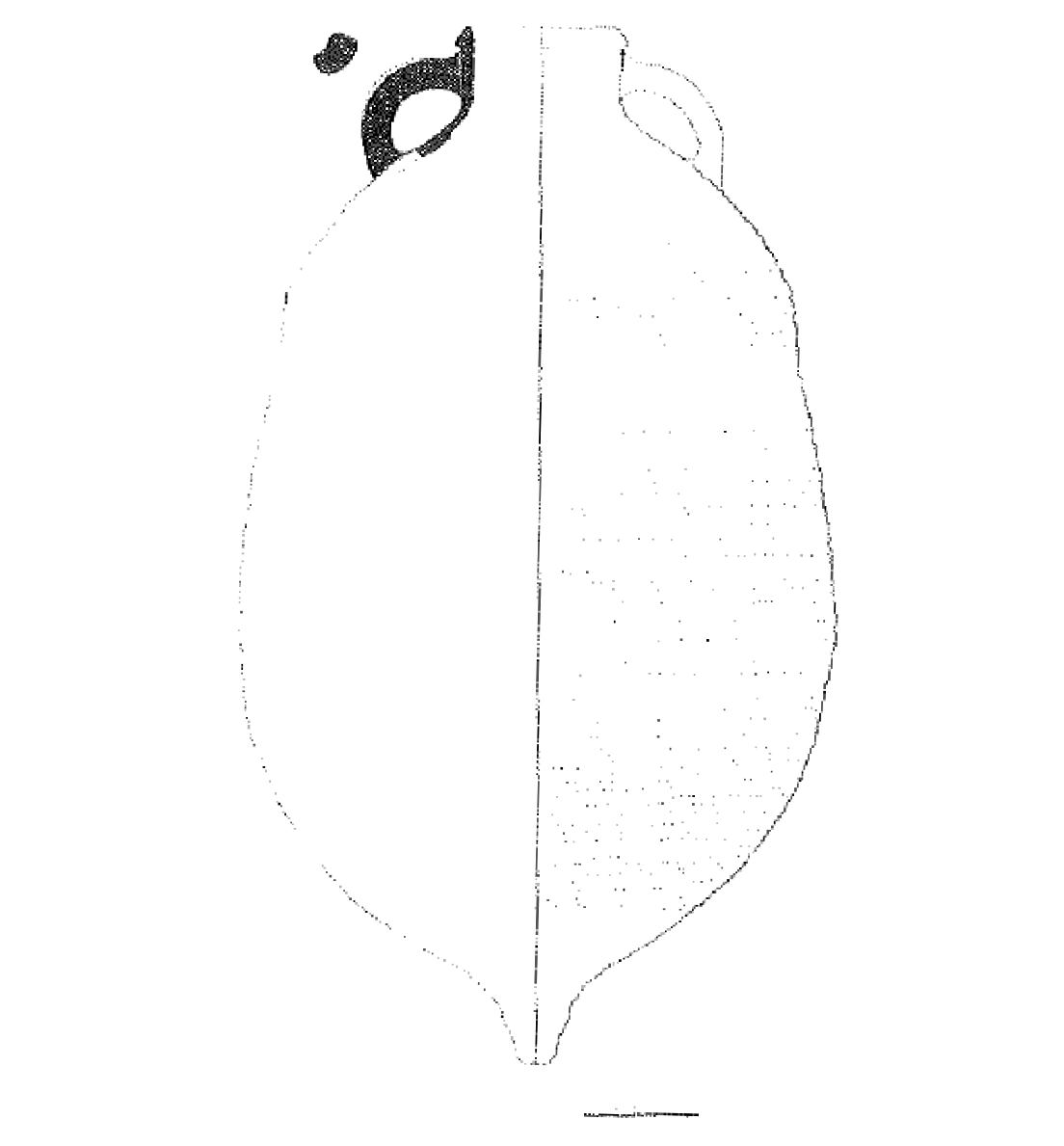
Type 02 amphora from shipwreck 7, Tilegrafos
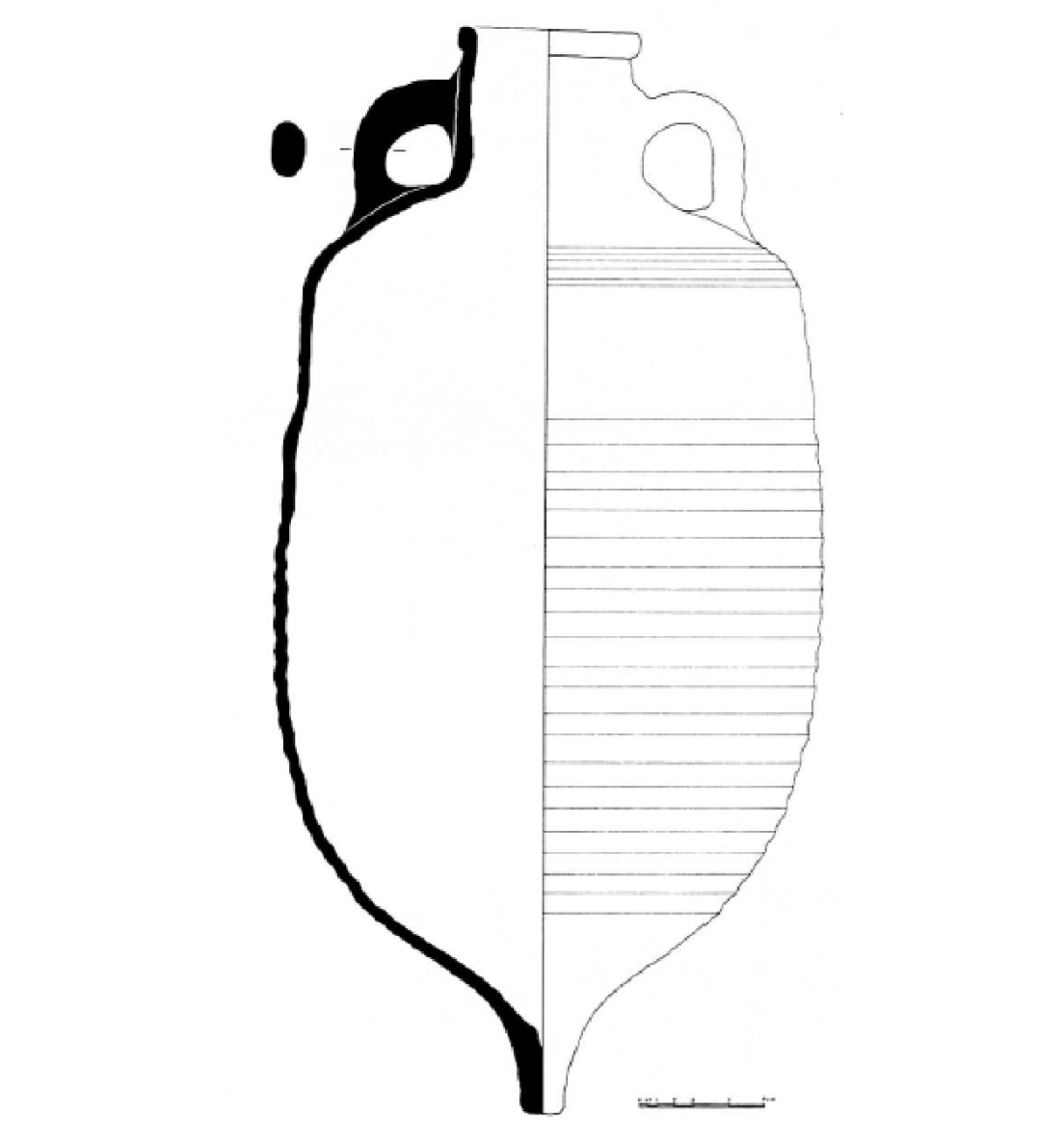
Type 03 amphora from shipwreck 7, Tilegrafos
Type 04 amphora from shipwreck 7, Tilegrafos
Type 05/LR4/5 (Riley) amphora from shipwreck 7, Tilegrafos
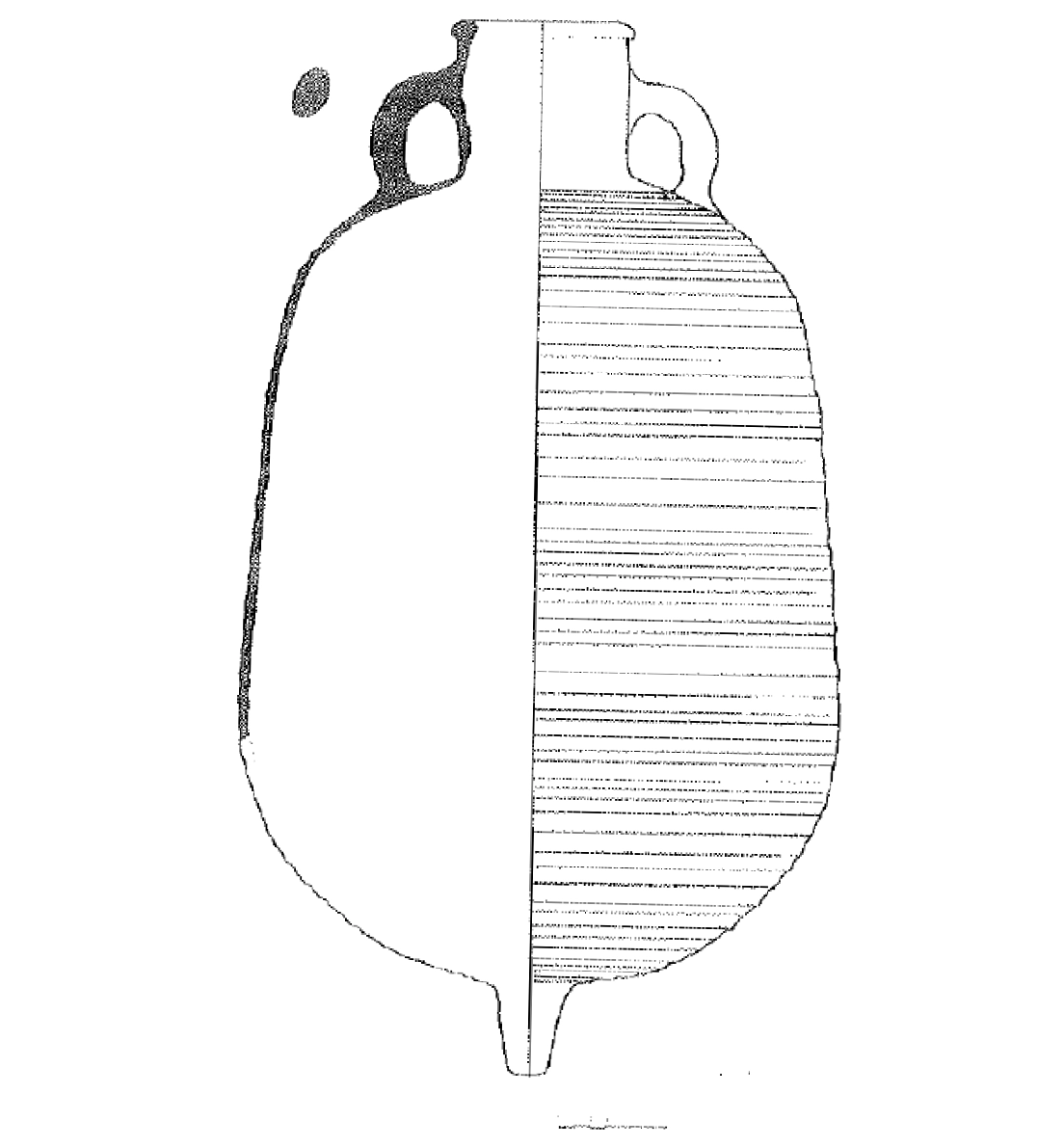
Type 06 amphora from shipwreck 7, Tilegrafos
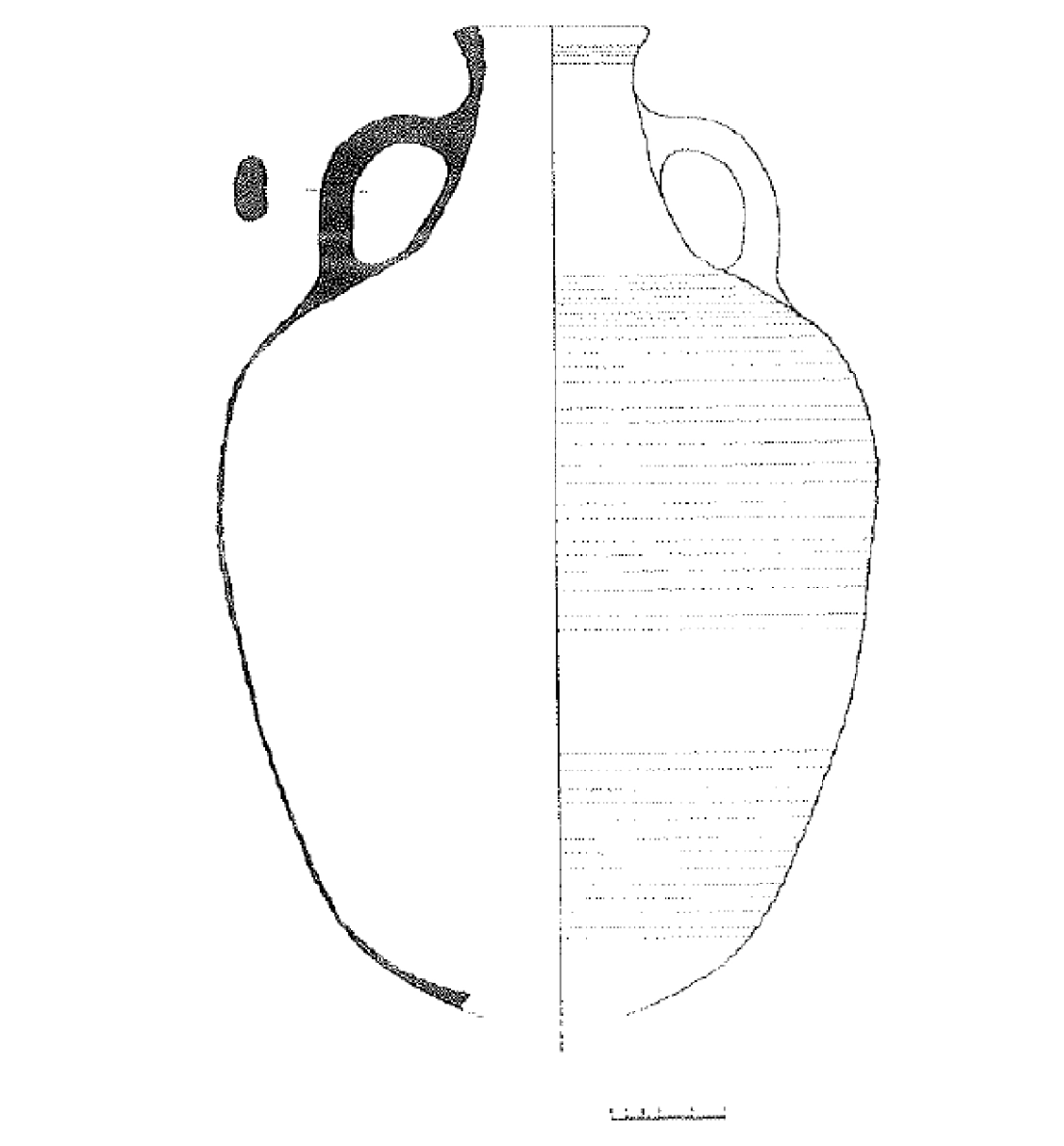
Type 07 amphora from shipwreck 7, Tilegrafos
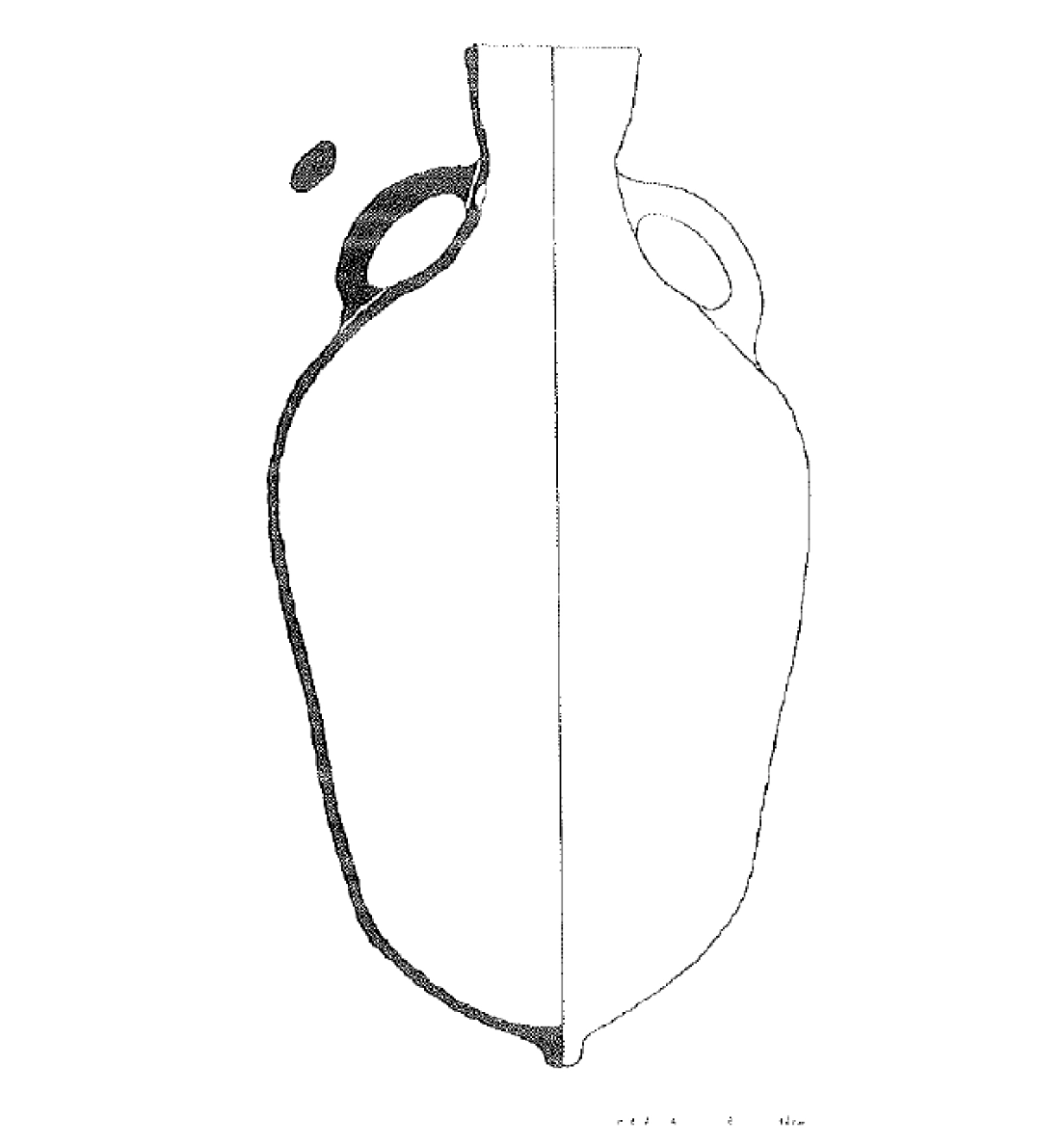
Type 08 amphora from shipwreck 7, Tilegrafos
Bibliography & additional information
- Spondylis H., Demesticha S. 2008: I.E.N.A.E. Reconnaissance Survey of the Western Coasts of the Southern Pagasitikos, Year 2003, ENALIA VIII, pp.11-27.
- Spondylis H. 2012: Underwater research I.E.N.A.E. in the Pagasetic Gulf. Research period 2005, ENALIA XII, pp.31-35.
- Demesticha, S. 2006: “The cargo of Shipwreck 7 in the Pagasetic Gulf. A first interpretative approach”, Proceedings of the Scientific Meeting on the Ceramics of Late Antiquity in Greece, 3rd-7th centuries AD, Thessaloniki, 12-16 November 2006
- Demesticha – Spondylis 2011: “Late Roman and Byzantine trade in the Aegean”, SKYLLIS, p.34
Welcome to the depths of the Tilegrafos!
Here you will find important information about your dive in the ancient shipwreck!