



Byzantine period shipwreck
Kikinthos
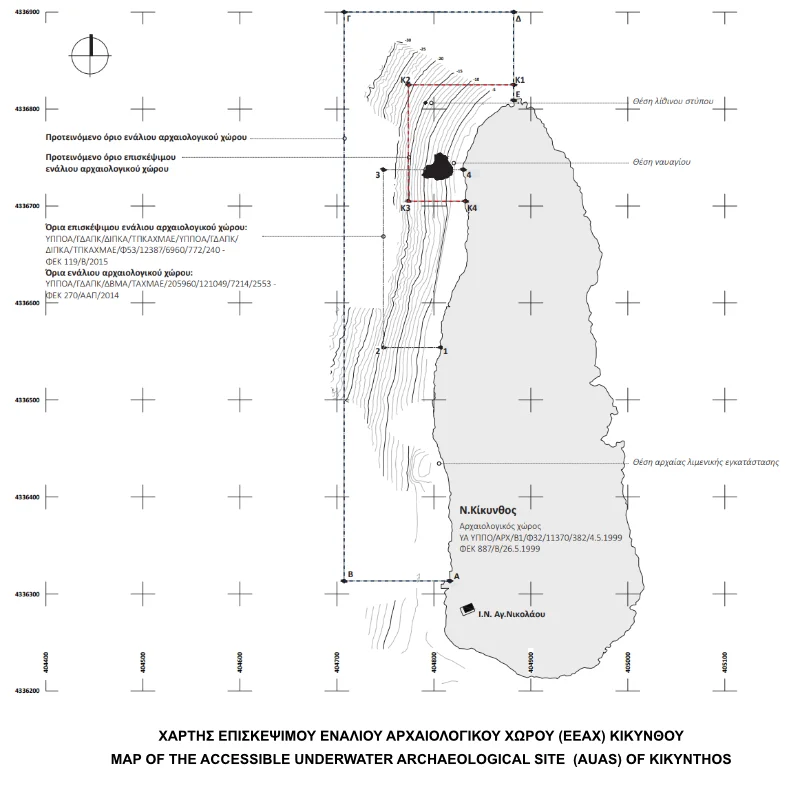
The Kikinthos shipwreck is located in the marine zone around the northern and western coasts of the homonymous islet, in an area with a gentle rocky slope and sandy bottom. In the underwater area, remains of an ancient port facility, probably from the Roman era, have been identified, as well as a cargo of Byzantine pithoi and amphorae, attributed to a shipwreck of the 11th century AD. The location of the shipwreck indicates the importance of Kikinthos as a transit point for merchant ships during the Byzantine period, within the sea lanes of the Pagasetic Gulf.

The shipwreck of Kikinthos and commercial navigation in the Pagasetic Gulf
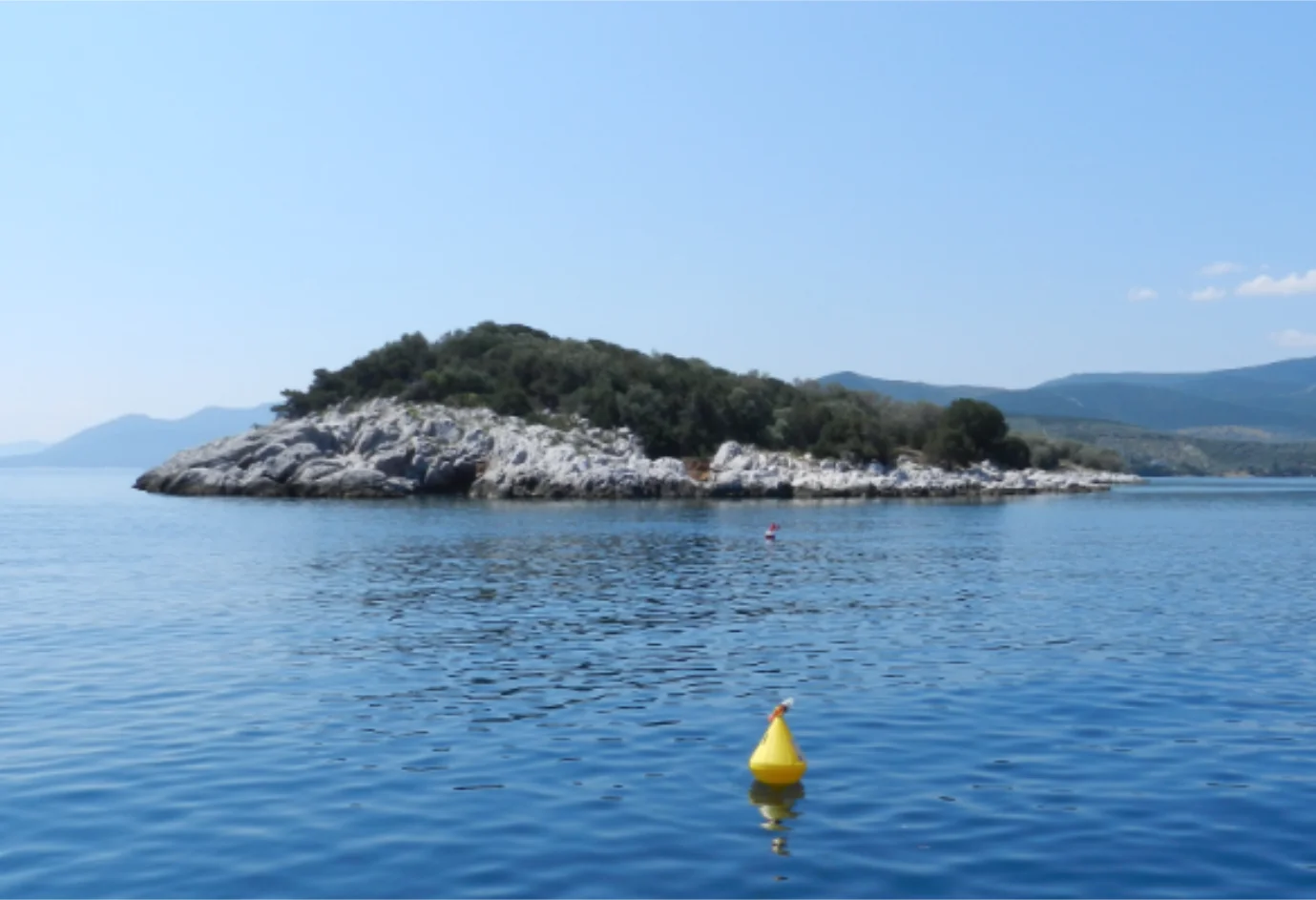
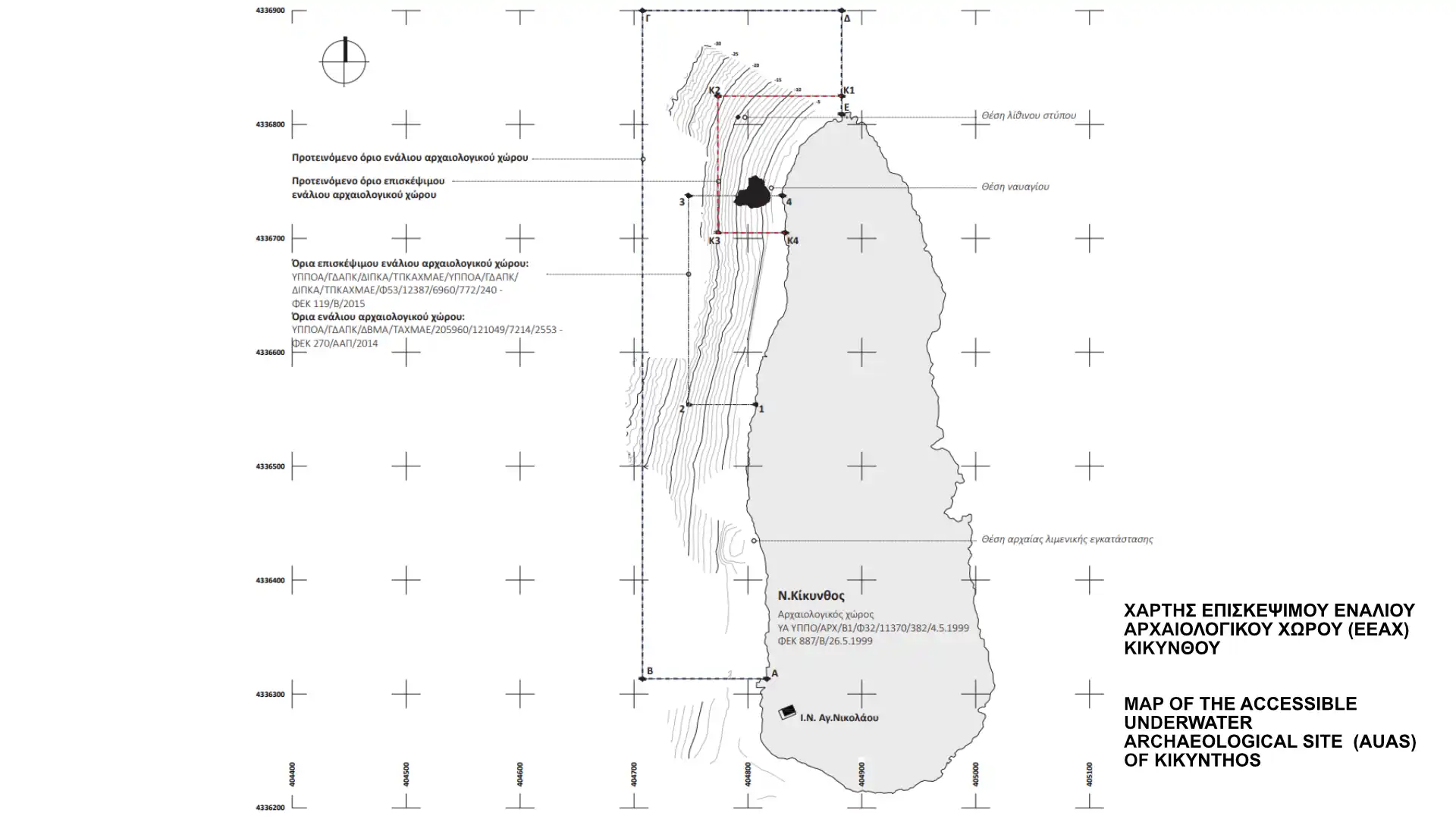
The islet of Kikinthos is located at the entrance to the bay of Amaliapolis, Municipality of Almyros, Prefecture of Magnesia. The entire islet is a declared archaeological site (Government Gazette 887/B/1999), as it includes the 19th century church of Agios Nikolaos and remains of habitation from the early Paleo-Christian years.
Kikynthos AUAS occupies a marine zone around the northern and western coast of the islet. It includes an ancient port facility, probably from the Roman era, and maritime remains, most notably a cargo of Byzantine pithoi and amphorae attributed to a shipwreck of the 11th century AD.
The location of the shipwreck is characterized by a rocky, but smooth and relatively gentle slope that at a depth of -8m ends in a smooth sandy bottom.
The shipwreck testifies to the importance of Kikinthos as a transit point for merchant ships during the Byzantine period, when the sea “roads” of the Pagasitic Gulf connected the hinterland of Magnesia with the ports of the Aegean.
The research
The shipwreck was located at the northwestern tip of the islet of Kikinthos in 2005 as part of the underwater reconnaissance research of the Hellenic Institute of Maritime Archaeology (HIMA-I.E.N.A.E.). It was conventionally named “Shipwreck 9”.
The ship
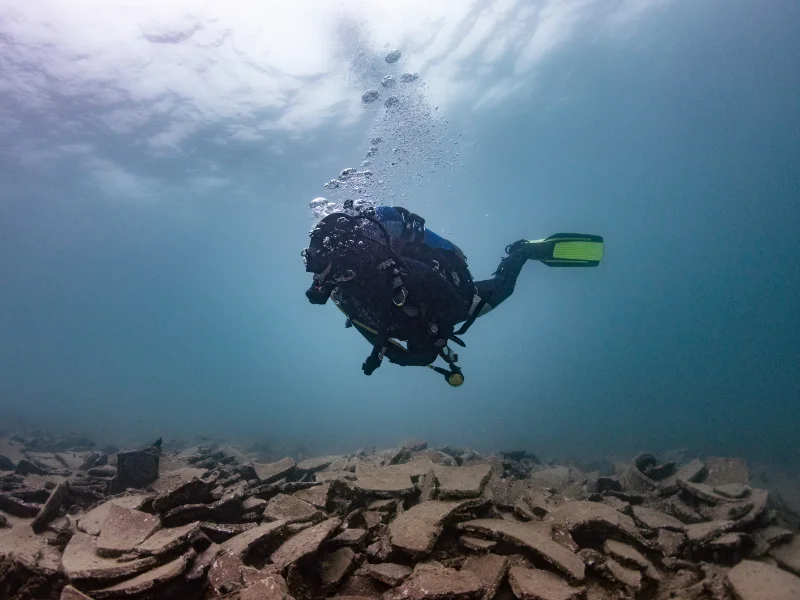
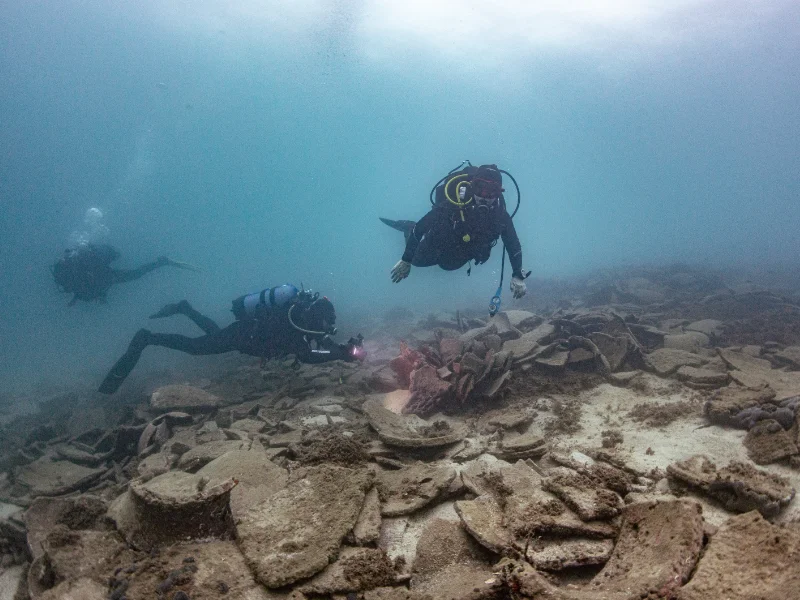
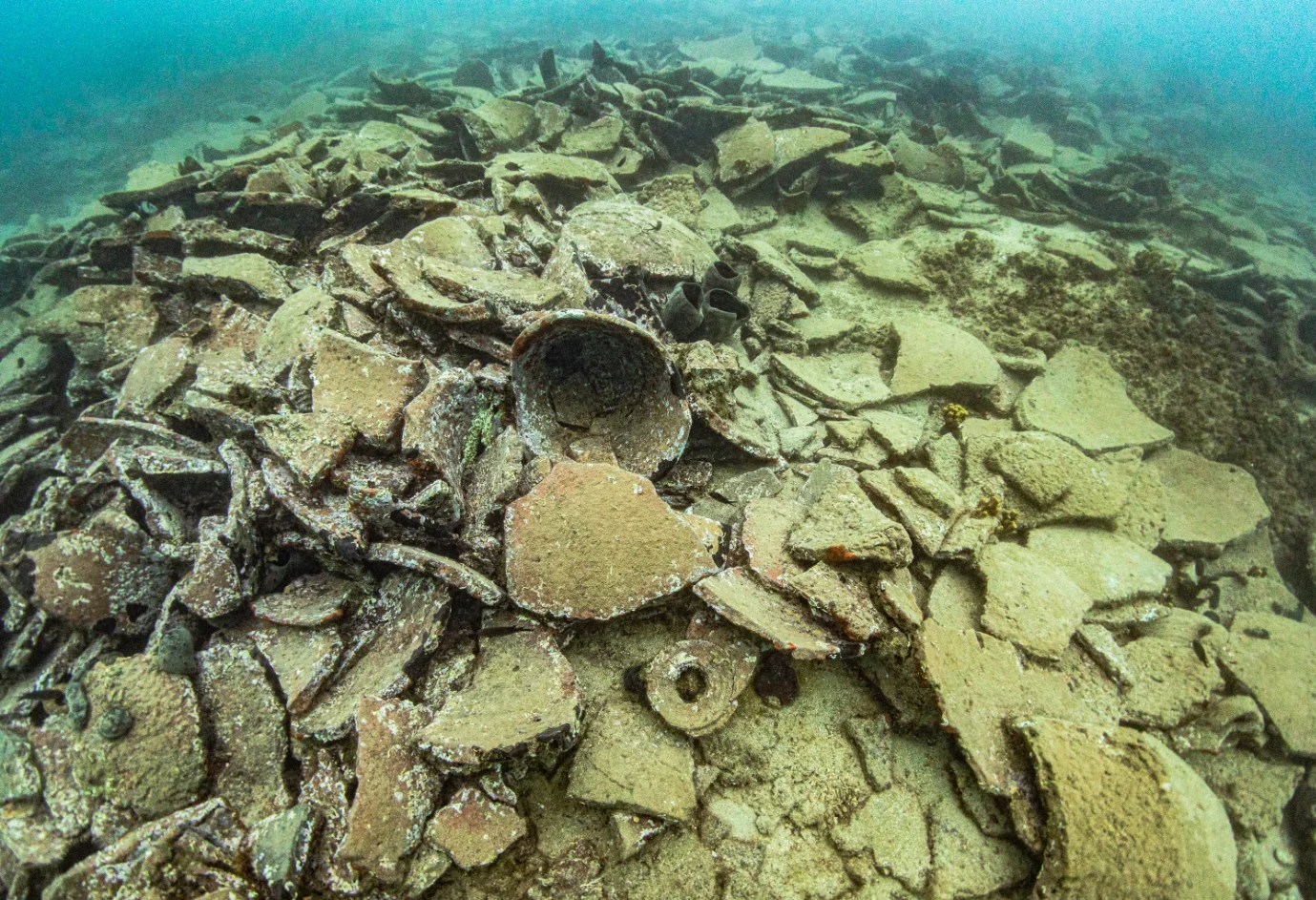
The main concentration of the wreck is located very close to the rocky shore, at a depth of -3 to -9 meters, and covers an area measuring approximately 8×12 meters. It consists of fragments of large storage jars mainly, but also of commercial
amphorae.
The poor state of preservation of the cargo is mainly due to natural factors, as the shallow depth and proximity to the coast made it vulnerable to the destructive effects of waves. However, the almost complete absence of intact vessels – only a small oinochoe was found –
is probably also due to human intervention, since according to local testimonies the site had been the subject of illegal excavations in the past.
The location of the wreck probably indicates a failed attempt to bring the ship to shore.
The cargo
The above research provided sufficient evidence about the cargo. With the data collected, the scholars tentatively dated the shipwreck to the end of the 11th century AD, a period during which commercial activity in the Pagasetic Gulf was particularly intense.
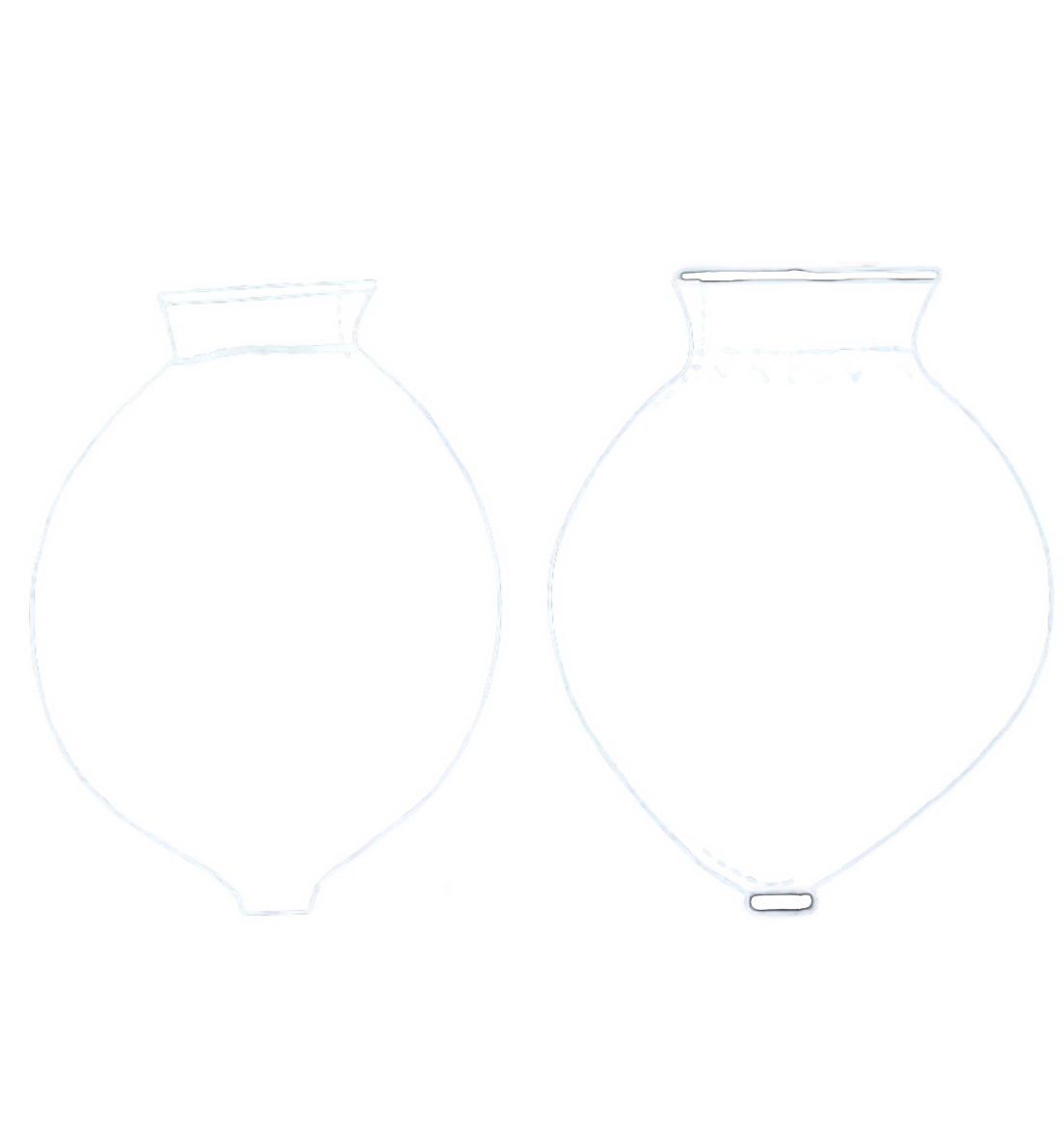
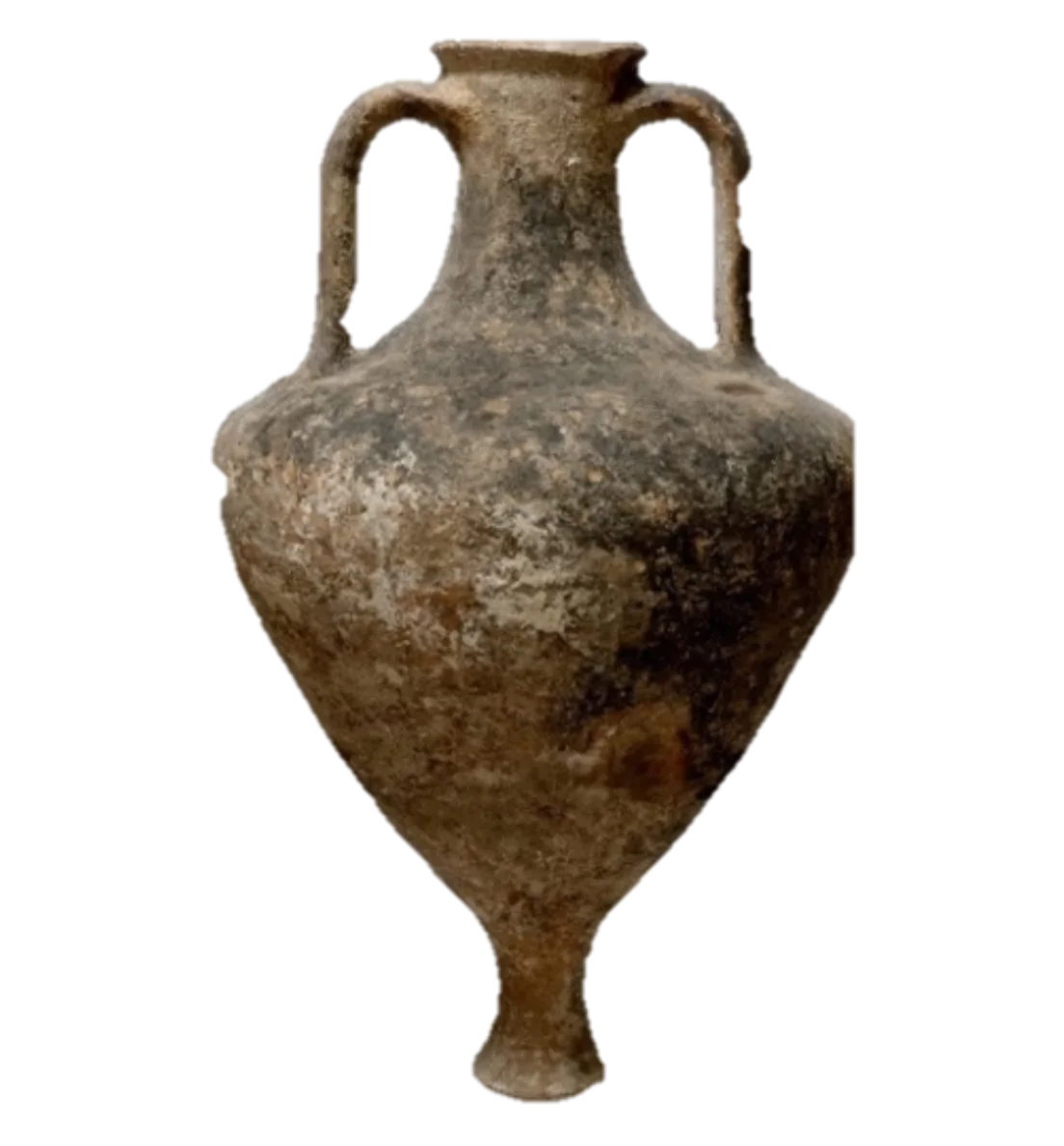
The pithoi, with slight variations in size, belong to the same type of storage vessel that is already known in the 9th century, at the beginning of the Middle Byzantine Period (3rd group of pithoi, according to Bakirtzis’ classification). The use of storage pithoi on ships is already established since antiquity and seems to have become widespread during the Roman period. The pithoi were permanently placed in the holds of ships and there the goods, either solid or liquid, were stored in bulk. They were mainly used by ships that carried out coastal trade.
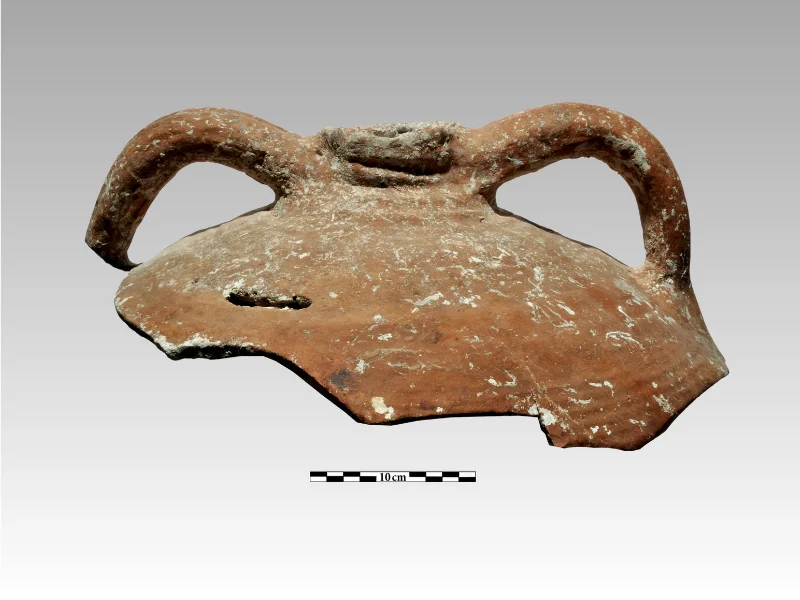
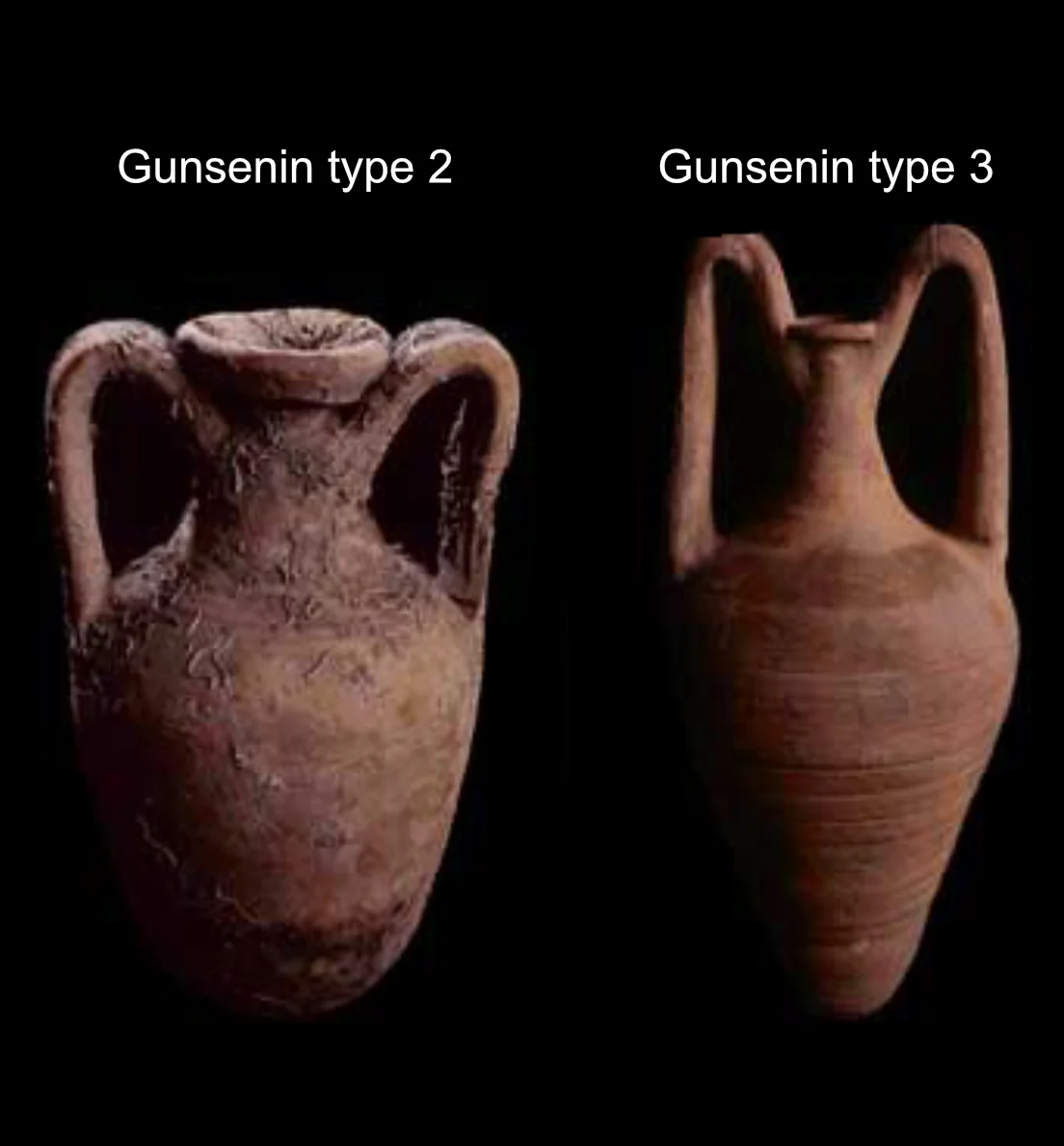
Amphora fragment (neck with handles) of Group 2 (Gunsenin Type 2)
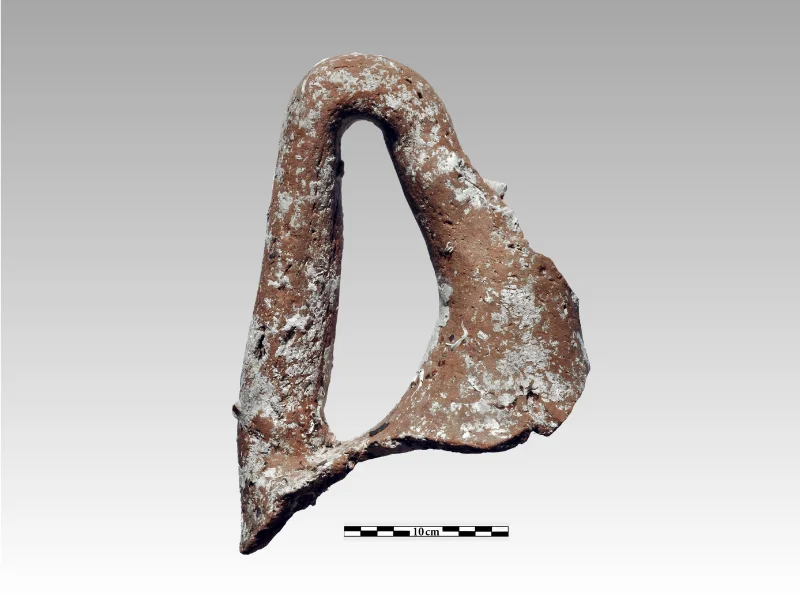
Amphora fragment (handle) of Group 5 (Gunsenin Type 3)
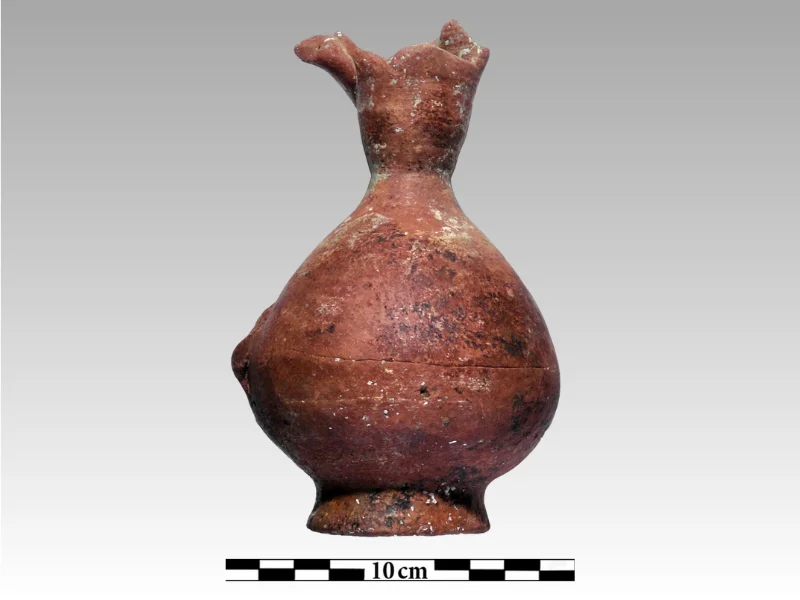
Oinochoe from Shipwreck 9 of Kikinthos
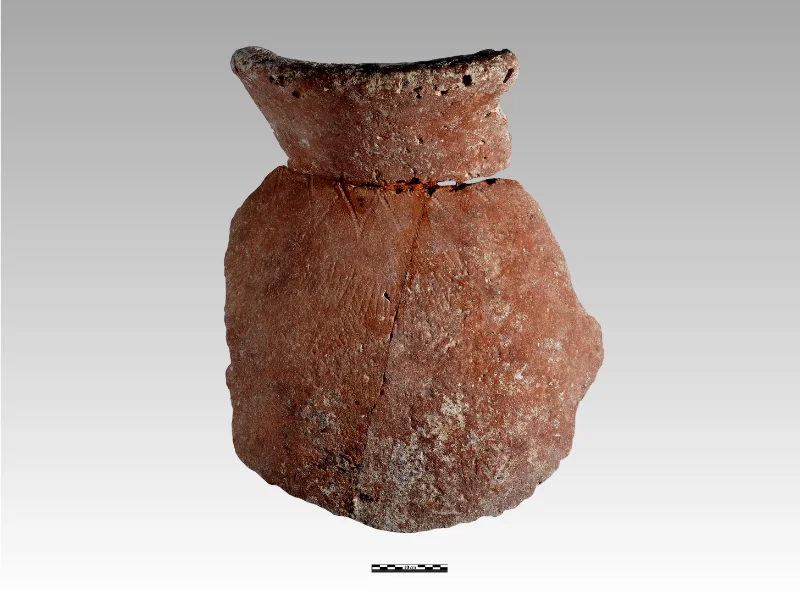
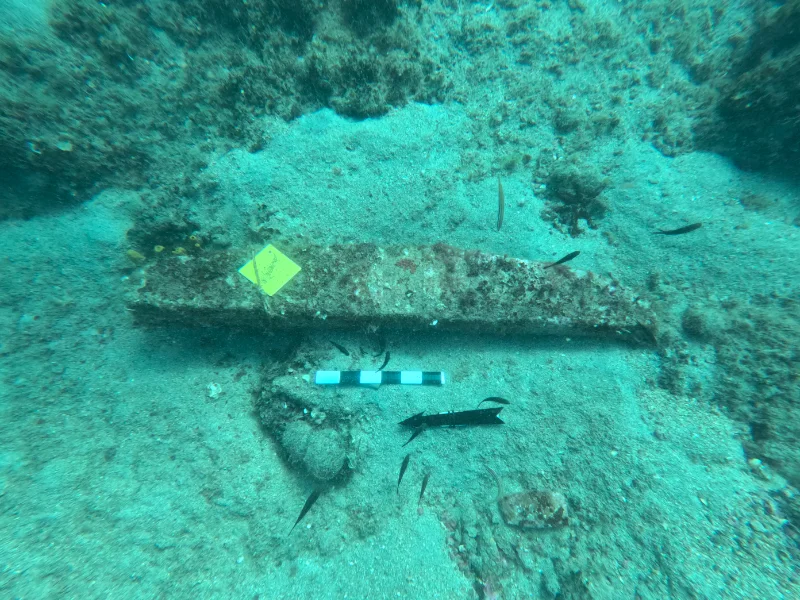
Pithos fragment
Bibliography & additional information
- Spondylis H. 2017: Pagasetic Review of Underwater Research (2000 -2013), ENALIA XII, p.18, 19
- Spondylis H. 2012: Underwater research I.E.N.A.E. in the Pagasetic Gulf. Research period 2005, ENALIA XII, pp.31-35.
Welcome to the depths of Kikinthos!
Here you will find important information about your dive in the Byzantine shipwreck!