



Classic period shipwreck
Fagkrou
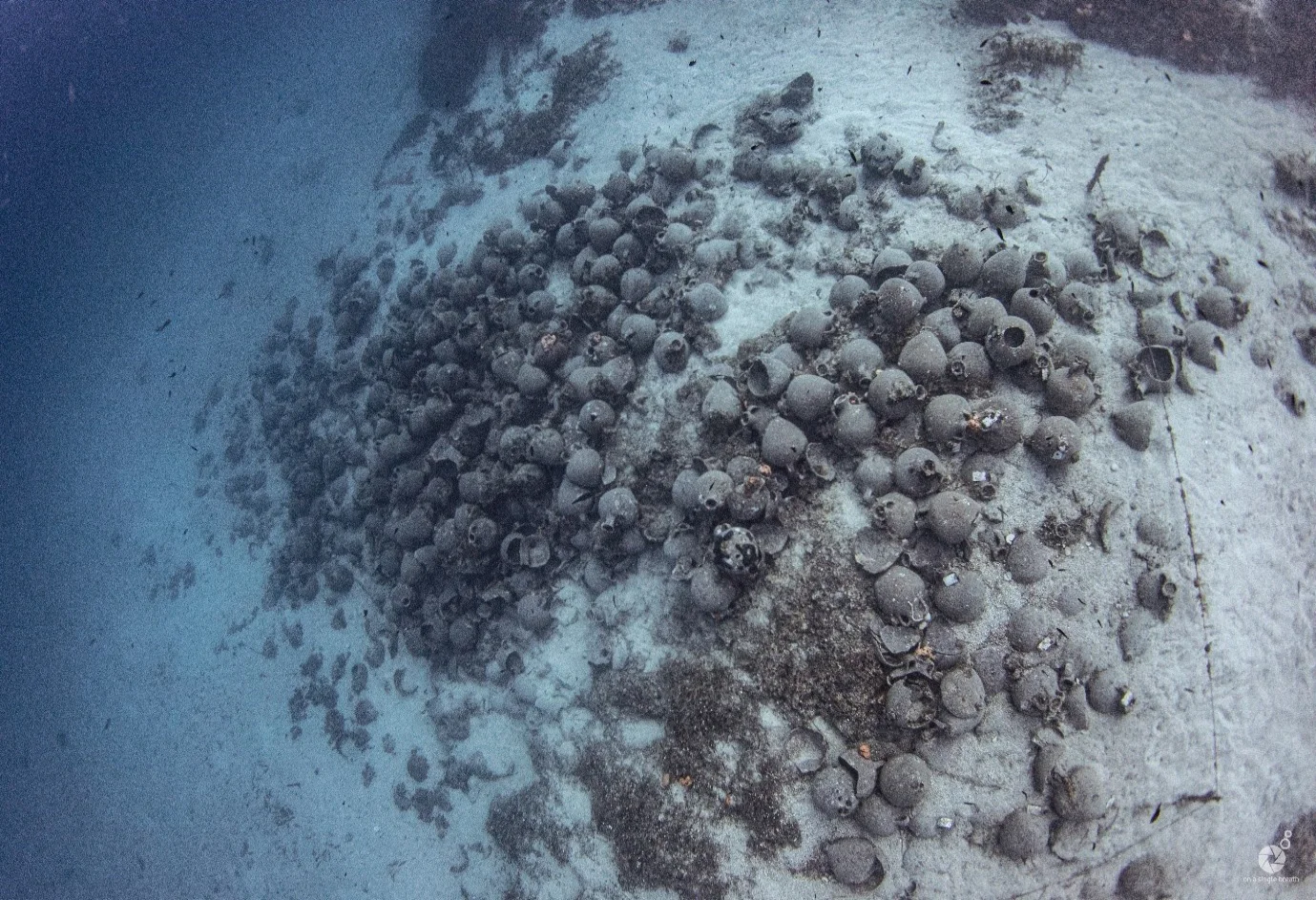
In 1994, the Ephorate of Underwater Antiquities brought to light a significant find: the wreck of a classical-period merchant ship near the islet of Fagkrou (or Pelerissa). The ship rests approximately 100 meters off the eastern shores of the islet, at a depth of 28 to 36 meters, keeping alive the memory of ancient maritime trade.

The archaeological significance of the shipwreck of the Fagkrou islet
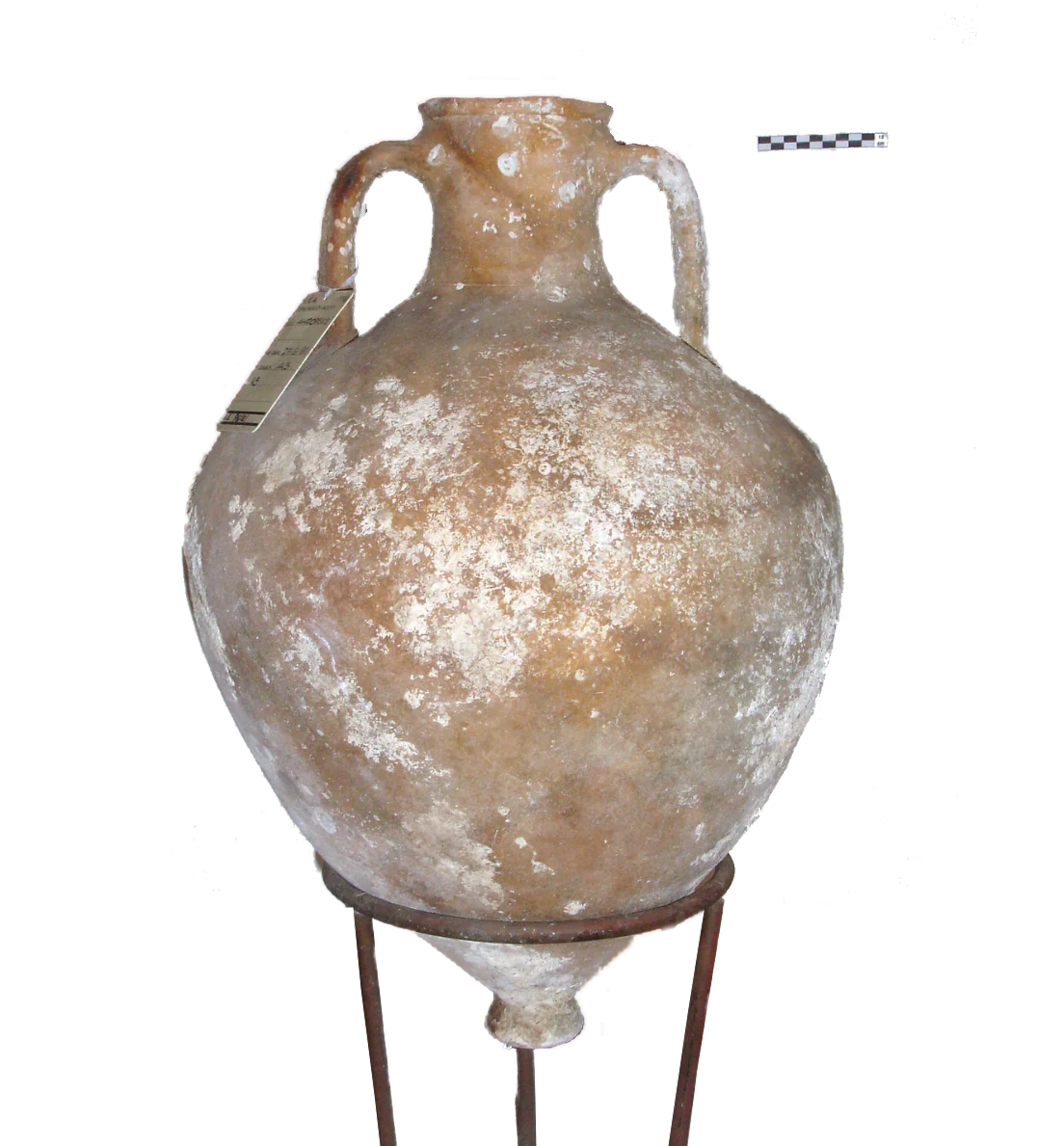
The ship was carrying mainly wine amphorae from Mendi in Chalkidiki, a city known for its excellent wine production in antiquity. During the excavations carried out in 1995-1996, 25 sharp-bottomed amphorae were uncovered, as well as various black-painted utilitarian vessels and small metal objects. One of the most impressive finds was the discovery of a wooden part of the ship measuring 70×17 centimeters, believed to come from the ship’s hull.
Preliminary study of the findings led archaeologists to conclude that this is one of the most important shipwrecks of the classical period. The dating of the findings between 480 and 425 BC makes the Fagkrou shipwreck possibly the oldest shipwreck of classical times that has been identified in Greece.
The research
In his book “Ano Magniton Islands”, K. Mavrikis states that the shipwreck of Fagkrou was discovered at the beginning of the 20th century by sponge divers. In 1989 he dived into the shipwreck himself, while in May 1994, during a research program of the Ephorate of Underwater Antiquities in the islands of the Northern Sporades, the shipwreck was investigated by the diving archaeologist D. Haniotis and the diver N. Miliadis. At a depth of 30-37 meters, on the eastern coast of the islet, the two researchers identified a pile of amphorae from the 5th century BC, which come from the ancient city of Mende in Chalkidiki.
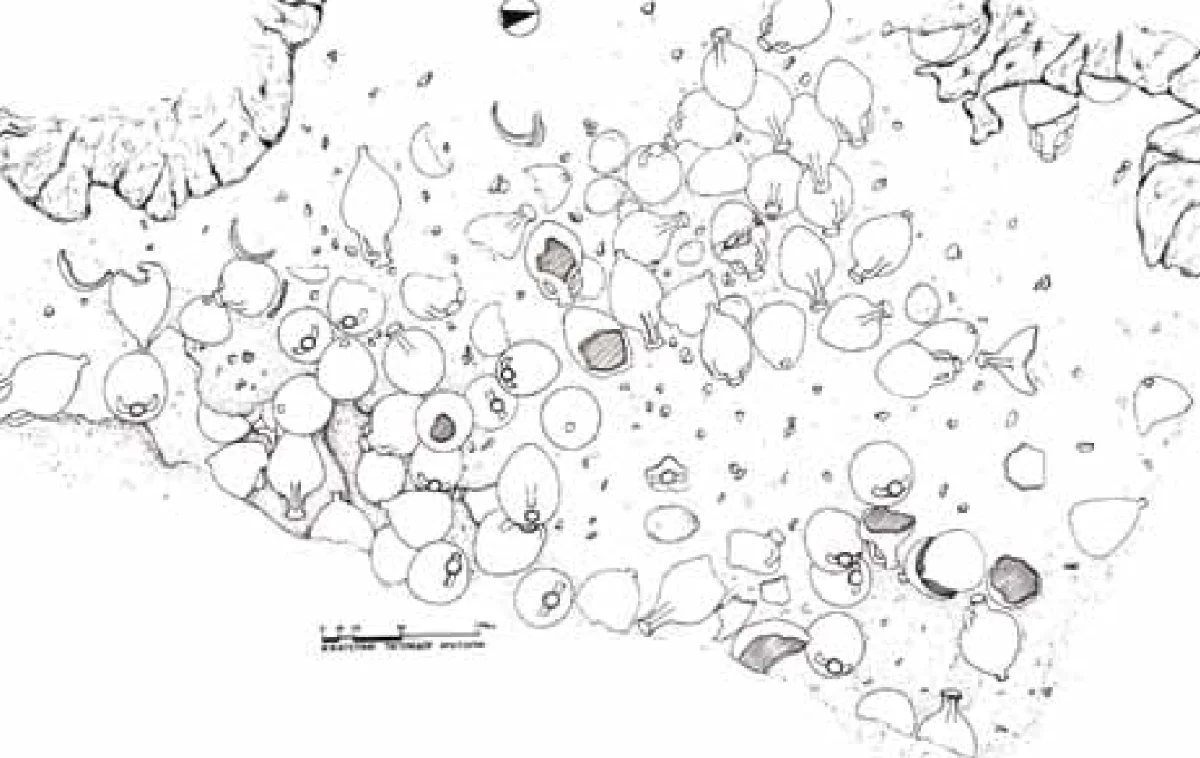
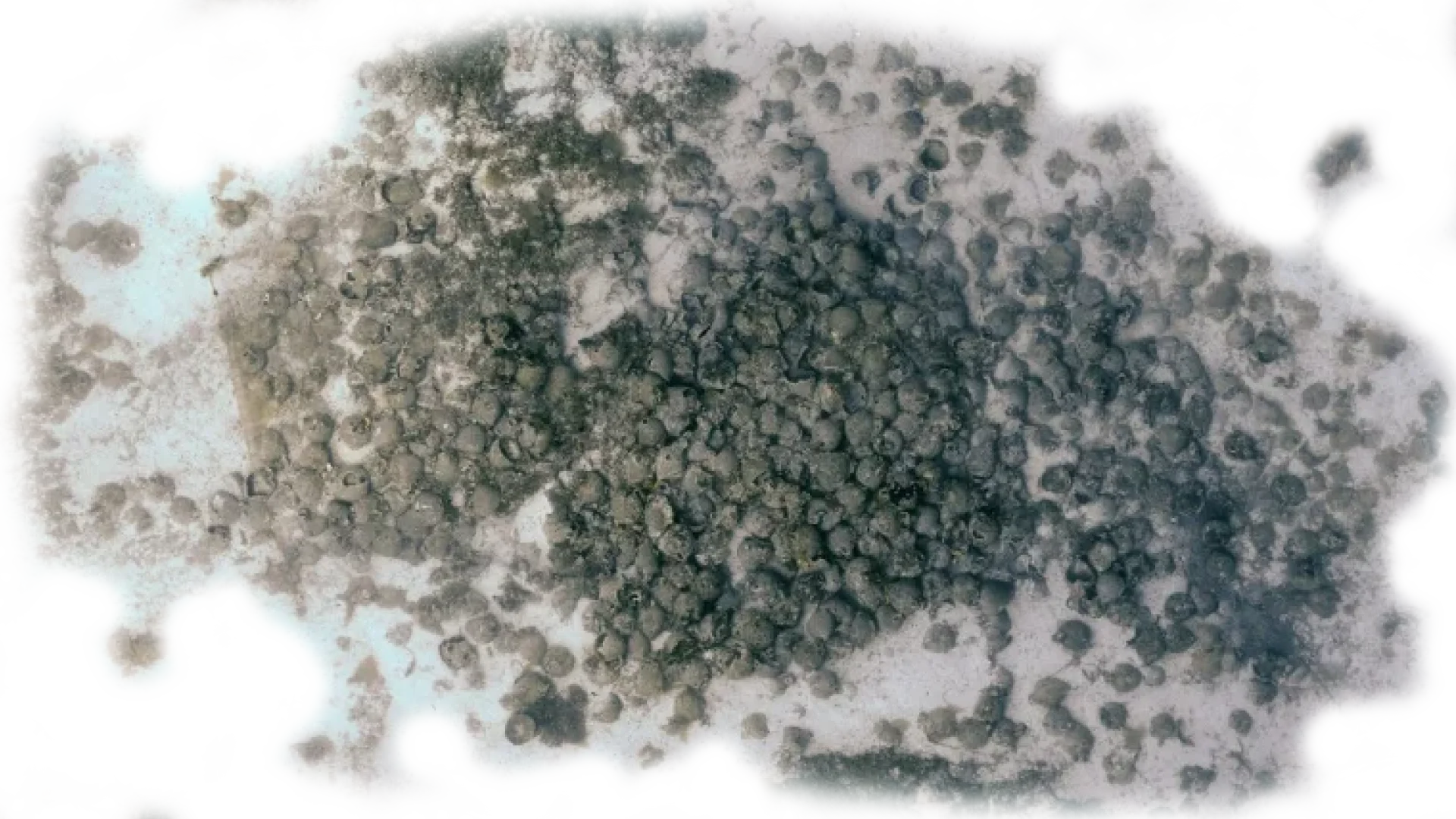
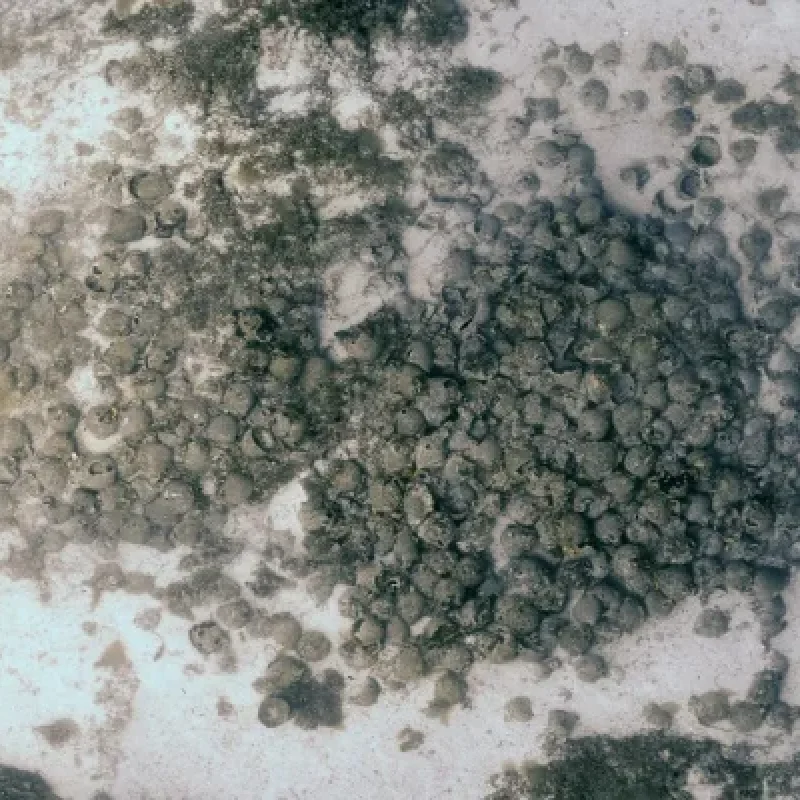
In September and October 1994, a preliminary survey followed, during which the wreck was mapped using the photogrammetry method. In the following two years (1995-1996), an excavation survey was organized under the then head of the Ephorate, D. Kazianis, and led by D. Haniotis. During the excavation, an underwater metal grid was placed and two excavation sections were carried out.
Traces of the excavation remain visible even today on the seabed, keeping alive the history of this important archaeological site beneath the surface of the sea.
The ship
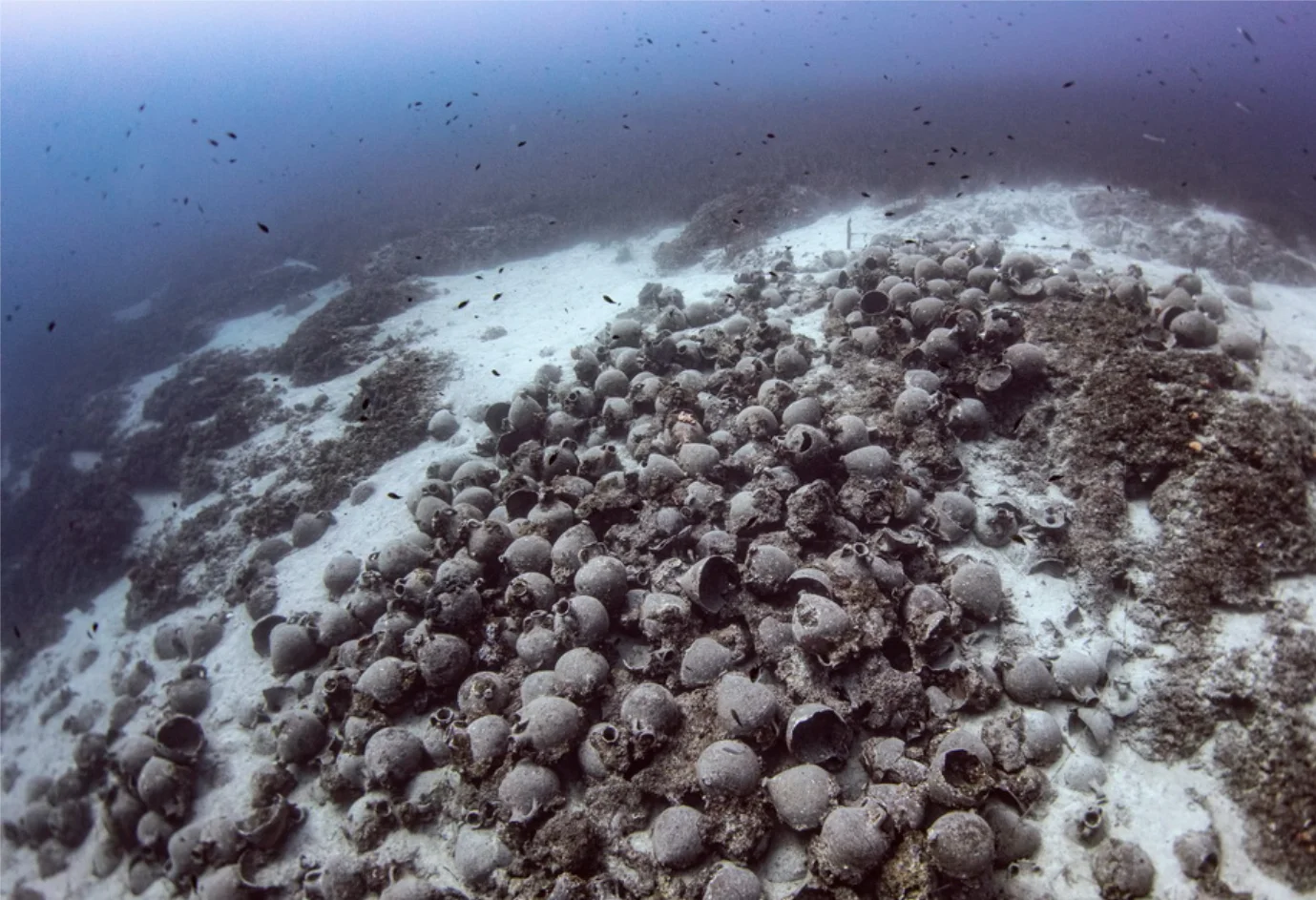
The ship was a large merchant vessel of the Classical period. It dates from between 480 and 425 BC. The length of the surviving wreck is estimated at 18 meters and its width at 11 meters, covering an area of approximately 80 square meters on the seabed, with the greatest visible length reaching 15 meters and a width of 11 meters. The ship was capable of transporting a large volume of cargo, which indicates its commercial importance.
The cargo
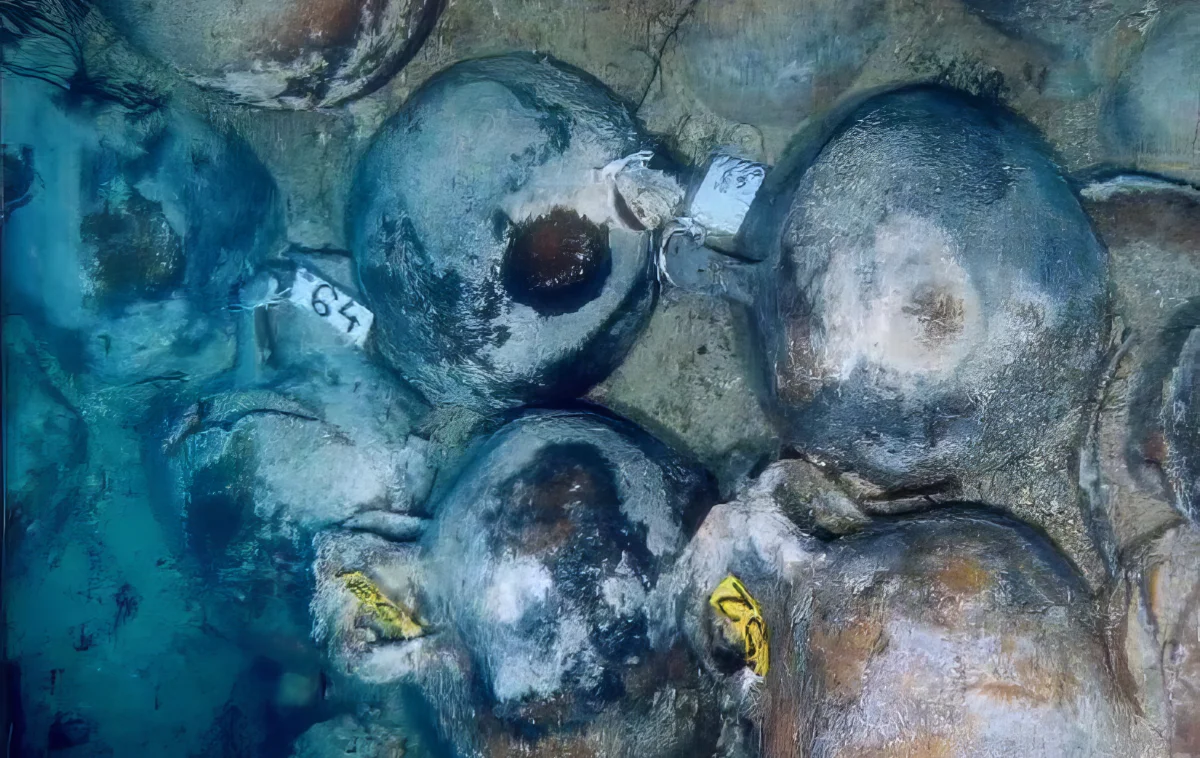
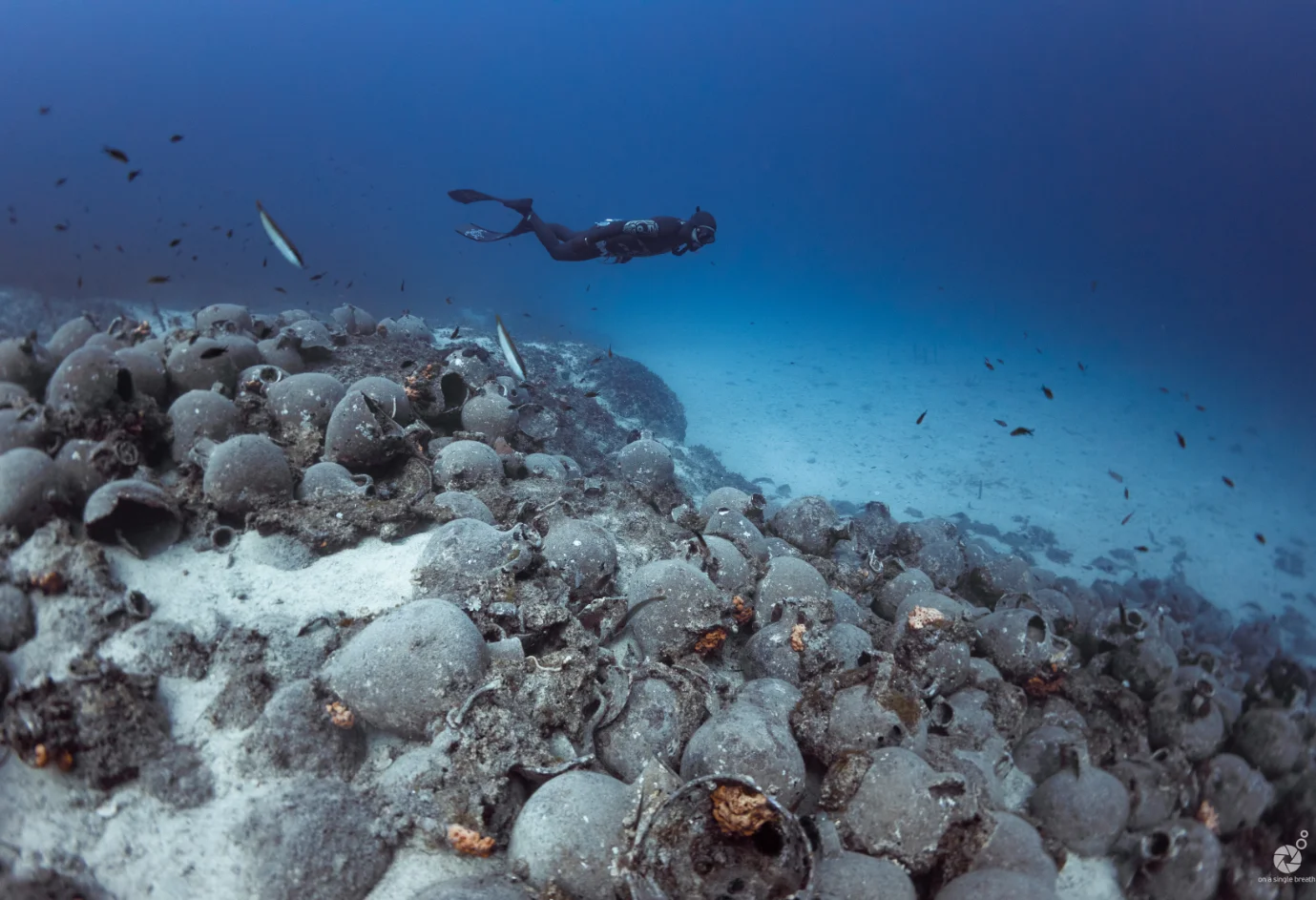
The ship’s main cargo consisted of wine amphorae, which came from Mende in Chalkidiki. Mende was known in antiquity for its excellent quality wine production. The amphorae are scattered on a rocky and sandy bottom, which is covered in places by Posidonia oceanica seagrass.
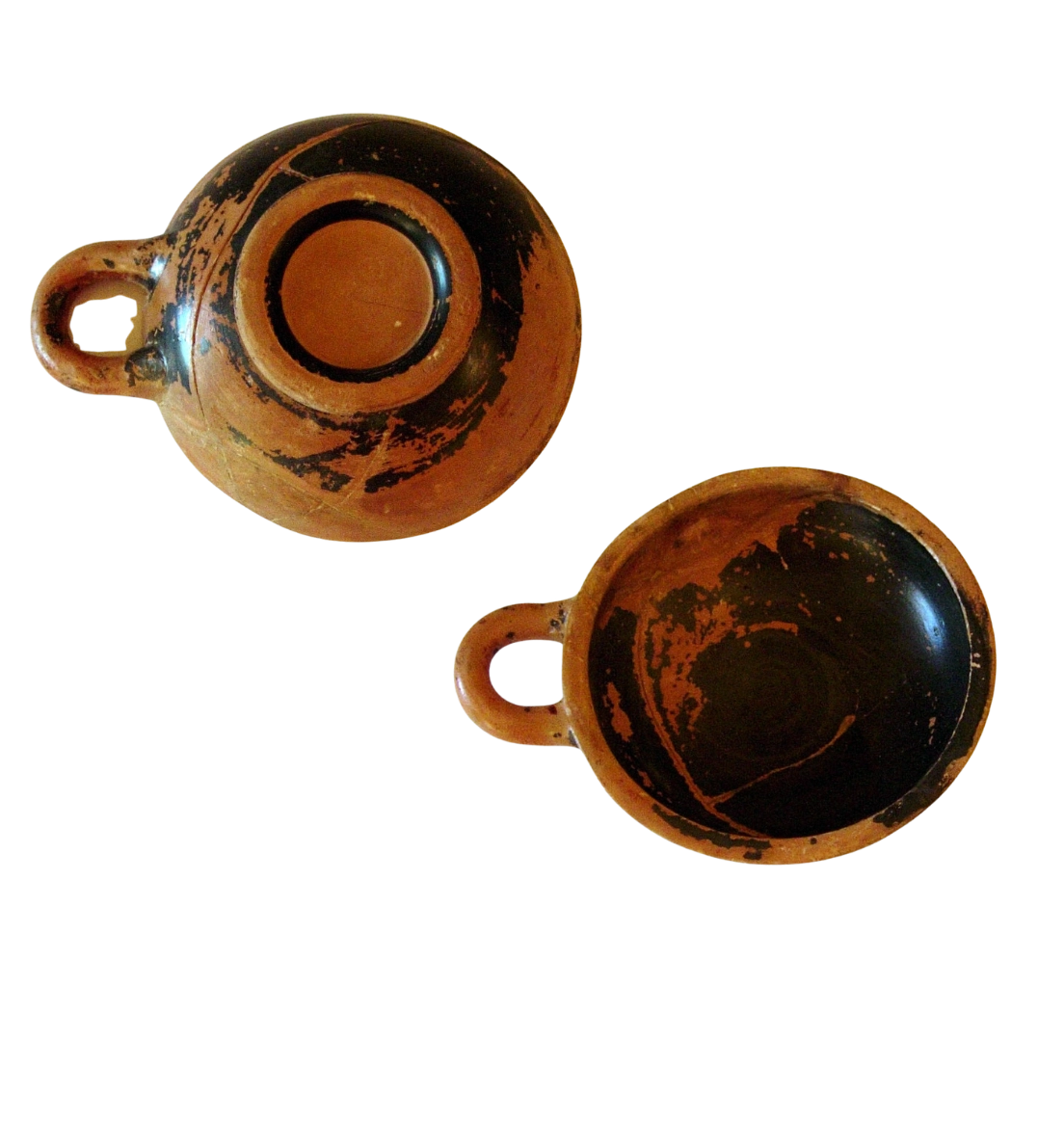
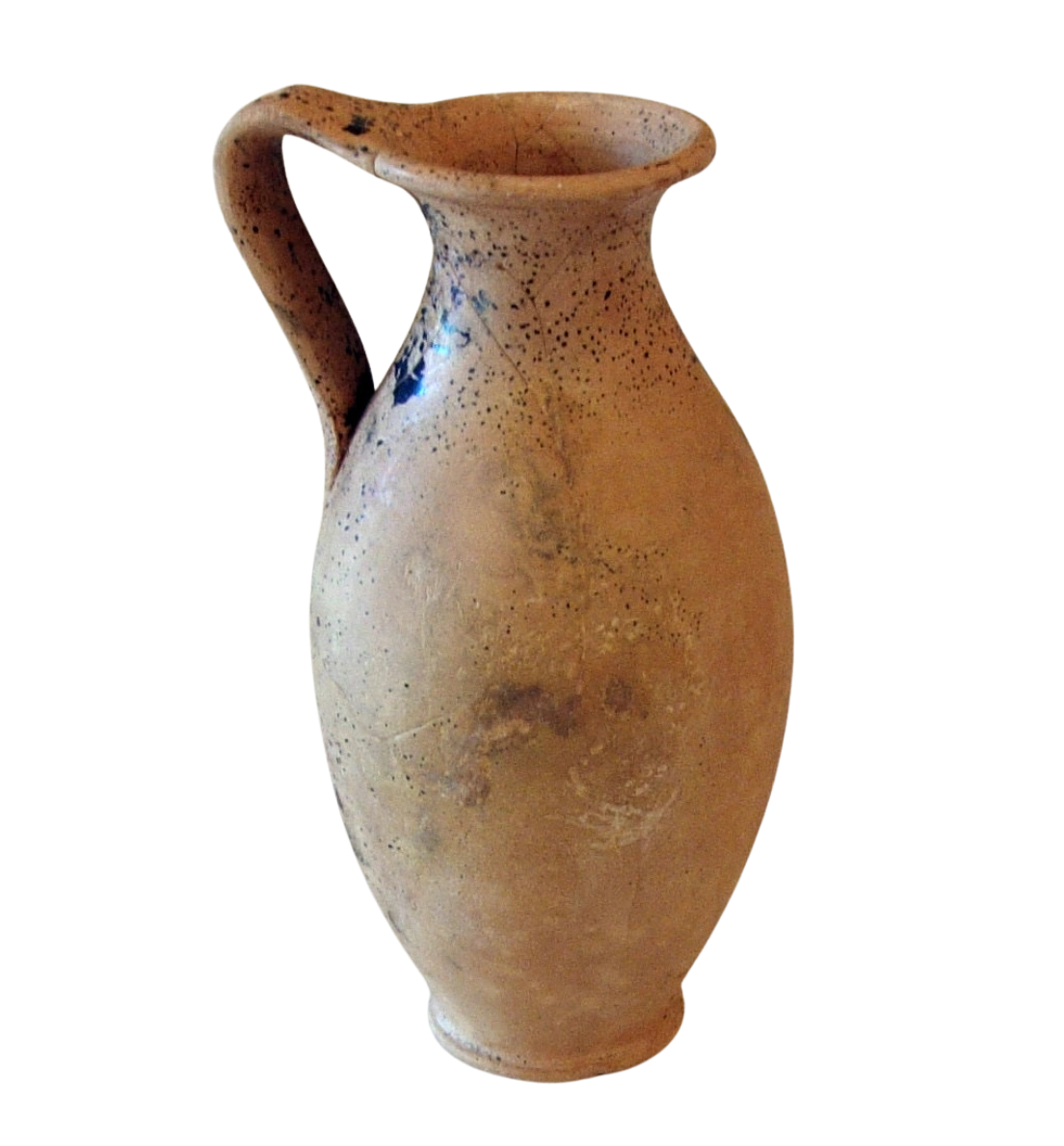
In addition to the pointed-bottomed amphorae, the excavations also uncovered various black-painted vessels, such as oinochoe (wine jug), skyphoi (black-glazed drinking vessels), lychnaria (clay oil lamps) and olpes (pouring jugs). Among the finds were also a bronze arytaena, as well as lead anchor stems.
Mende, a colony of Eretria on the western coast of Chalkidiki, was famous since antiquity for the production of its excellent quality wine, which is also mentioned in ancient sources, such as Athenaeus and Demosthenes. Mende’s wine was exported throughout the Aegean and Mediterranean, contributing significantly to the economic prosperity of the city.
The pointed-bottom “Mende” amphorae served as the region’s main export vessel and were among the most widespread commercial amphora types of the 5th century BC. They are characterized by their elongated shape, narrow neck, curved body, and conical base — features that facilitated stable loading in ship holds and the efficient transport of large quantities of liquid goods.
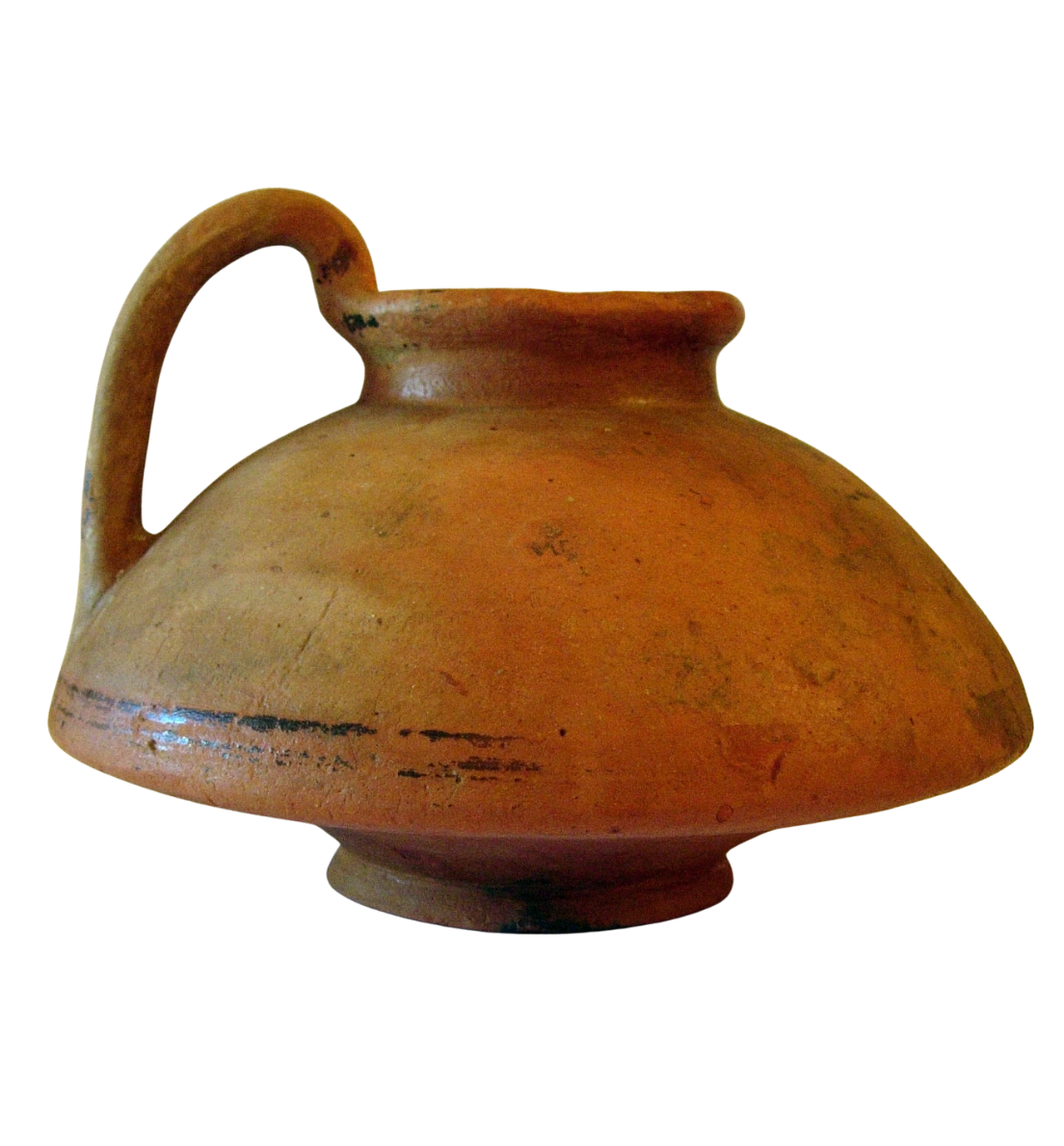
Low, wide-mouthed oinochoe with a curved handle joining the rim to the shoulder. The flattened body bears traces of black-painted bands around the shoulder. Such jugs were used for mixing and pouring wine during meals or onboard symposia, reflecting the daily life of sailors and merchants in the Classical period.
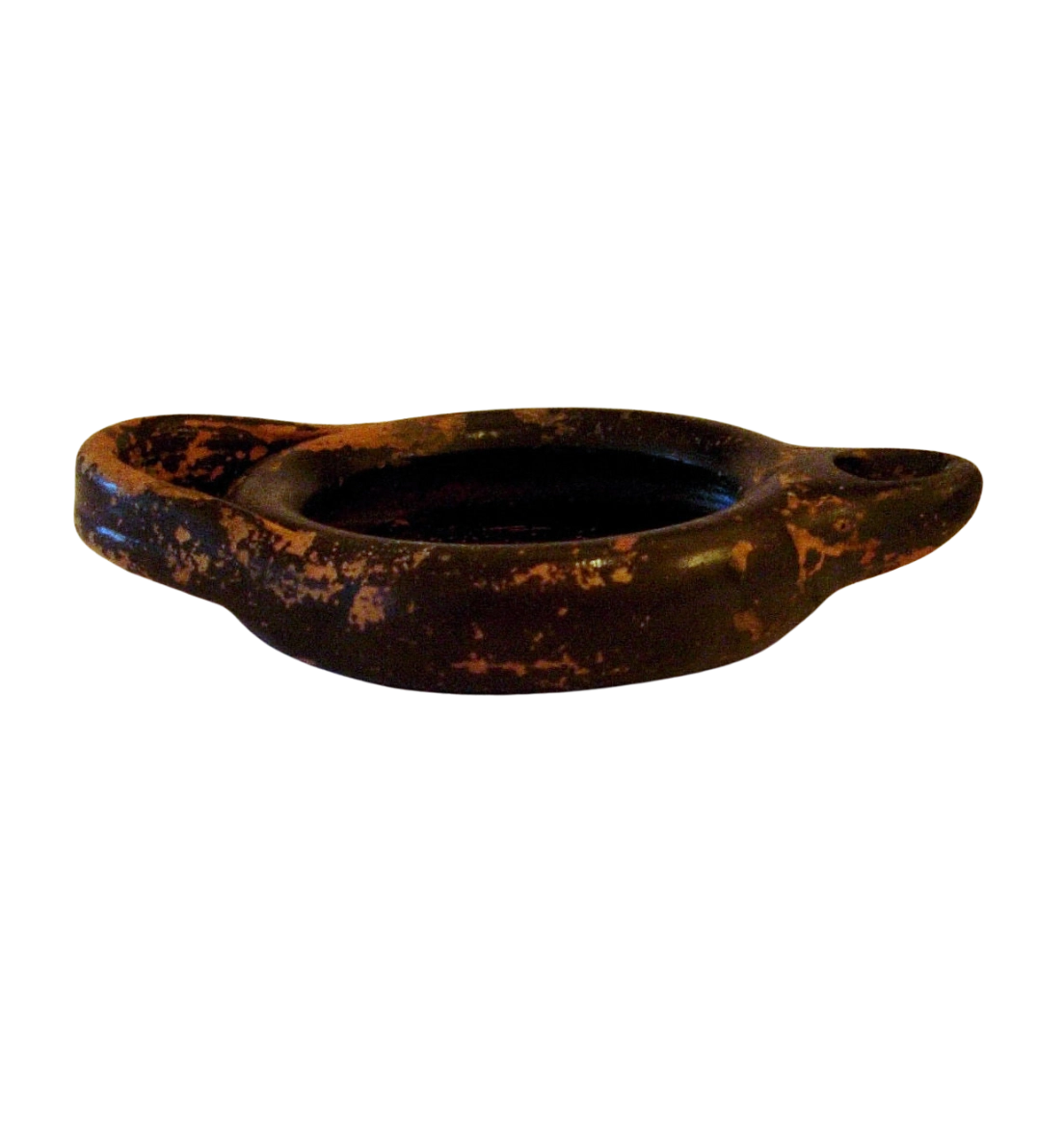
Closed-type clay lamp with a round body and short nozzle. The surface bears a black glaze, and the central filling disc is clearly visible. Such lamps were used to provide light onboard, especially during nighttime stops or cargo inspections. They offer a glimpse into the daily and practical needs of sailors during Classical voyages.
Clay olpe with a vertical handle and slightly flaring lip. The vessel shows traces of a black slip and was used for pouring wine or water from larger containers into cups or smaller vessels. Similar finds are known from Classical merchant shipwrecks, illustrating the practical equipment used by sailors in their daily routines.
Bibliography & additional information
- Kazianis, D. (1999). The work of the Ephorate of Underwater Antiquities, AD 49 (1994), Chronicles B΄2, Athens: TAPA, 854.
- Kazianis, D. (2001). The work of the Ephorate of Underwater Antiquities, AD 51 (1996), Chronicles B΄2, Athens: TAPA, 724-725.
- Mavrikis, K. (1997). Ano Magniton Islands, 287- 293.
- Tagonidou, Aik. (2018). The shipwrecks of the National Marine Park of Alonissos, Northern Sporades, in A. Simosi (ed.), Dives into the Past and Underwater Archaeological Research, 1976 – 2014, Athens: TAPA, 162.
- Haniotis, D. (1999). Northern Sporades. Island of Phagros or Pelerissa (shipwreck of the 5th century BC), AD 49 (1994), Chronicles B΄2, Athens: TAPA, 864